


In-depth guide · CampingSpirit
From Den Helder via Texel, the Afsluitdijk and Harlingen to Terschelling, through the Frisian coastal land to Holwerd and across to Ameland: about 480 kilometres, three ferry crossings with your own vehicle and, as a side trip, Vlieland, where you can only arrive on foot.
The spirit of the route
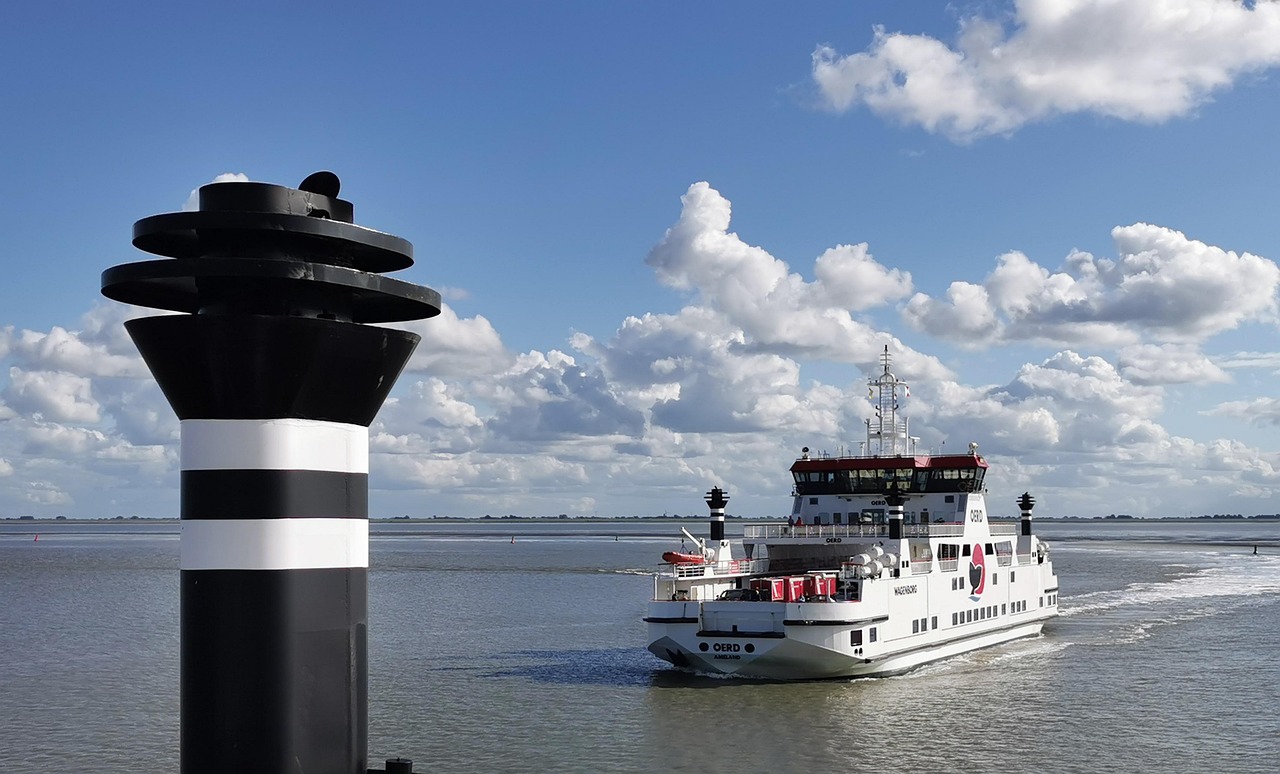
On the Wadden Islands the tide table sets the rhythm. You roll onto the ferry, the ramp folds up, and beyond the railing the water slides over the sandbanks where seals lie in the sun. On Texel sheep stand on the dyke and oystercatchers in the grass verge; on Terschelling the road runs between dunes and cranberry bogs to a lighthouse you can already see on the way in. In the evening you sit in the lee of the motorhome, hear the hoot of the last ferry and smell salt and pine needles. In between lie the dead-straight Afsluitdijk, harbour towns with gabled houses and Frisian terp villages. The route demands planning: ferry tickets, vehicle dimensions and the question of which island your vehicle may enter at all. In return you get open space, North Sea wind and a quiet you will look for a long time on the mainland.
Stage-by-stage plan
1Stage 1: Alkmaar to Den Helder (approx. 50 km)
- The drive
- From Alkmaar take the N9 north through the polders of North Holland, past Schagen, to Den Helder. Flat, well built, with many roundabouts and cycle path crossings; driving time only about 45 minutes. In Den Helder, head first to the TESO ferry terminal and look at the approach for the next morning. The coast before that, with Egmond, Bergen and Schoorl, is described in the CampingSpirit guide to Holland’s coasts and polders.
- Highlights & must-sees
- Fort Kijkduin in Huisduinen: a fortress from 1811 with an aquarium and a view over the Marsdiep, the channel between the mainland and Texel.
- Lange Jaap lighthouse at Kaap Hoofd in Huisduinen: a cast-iron tower from 1877; the walk along the dyke to get there is a good start to the evening.
- Nationaal Reddingmuseum Dorus Rijkers in Den Helder, which tells the story of shipwrecks and sea rescue on the North Sea coast.
- CampingSpirit overnight tip
-
Official campsite or RV park: Camperplaats on the grounds of the Jachtwerf Willemsoord in the old naval harbour, short distances to the ferry and into town. With sanitary facilities and more quiet: Camping Julianadorp aan Zee or Camping Mariahoeve in the dune strip near Julianadorp. Check opening times and fees in advance.
Free camping or nature tip (where legal): Overnighting in your vehicle outside designated sites is prohibited practically everywhere in the Netherlands (municipal bylaws); at the dune car parks of Huisduinen and Julianadorp, nature protection applies as well. For ferry passengers, the camperplaatsen in the harbour are the more convenient alternative.
- Insider tip for campers
- Fill up on fuel, top up water and check your gas supplies in Den Helder before the island; on the islands fuel and gas are usually more expensive. Measure the length, width and height of your vehicle, including bike rack, exactly, because the ferry companies ask for the dimensions when you book.
2Stage 2: Den Helder to Den Hoorn (Texel) (approx. 25 km)
- The drive
- Take the TESO ferry from Den Helder to ’t Horntje, a crossing of about 20 minutes. On Texel drive from ’t Horntje to Den Hoorn and on to the Wadden Sea dyke near Oudeschild. Very quiet island roads with cyclists, sheep on the dyke; the villages are narrow, and 30 km/h in village centres is normal.
- Highlights & must-sees
- Den Hoorn: a village on the edge of the dune belt, with footpaths leading to the dyke and to the bird reserve De Geul.
- Oudeschild: a fishing harbour on the Wadden Sea with smoked fish stalls and excursion boats to the seal banks (departures depend on the tides).
- The dyke between ’t Horntje and Oudeschild: Wadden Sea panorama with sheep, sandpipers and oystercatchers, a place for watching at low tide.
- CampingSpirit overnight tip
-
Official campsite or RV park: Loodsmansduin near Den Hoorn, a large dune site with electric hook-ups and sanitary facilities. A little smaller: Camping De Texelaar north-east of Den Burg; more boerderijcampings (farm sites) are spread across the island.
Free camping or nature tip (where legal): Wild camping is prohibited on Texel; you may overnight in your motorhome only on designated sites. Rangers approach people overnighting in woods and village car parks, and enforcement officers (BOA) can issue fines, because disturbance at night burdens animals and breeding birds. Do not overnight on the dyke or near the harbour in Oudeschild either.
- Insider tip for campers
- The TESO ticket is valid for the outward and return journey and can be bought online; it does not reserve a fixed departure time, so allow for waiting on summer weekends and public holidays. State the vehicle length correctly. Leave the motorhome parked on the island and get around by bike; the choice of island places and the ferry are described in more detail in the CampingSpirit guide to Holland’s coasts and polders.
3Stage 3: Den Hoorn to De Koog (Texel) (approx. 45 km)
- The drive
- Island circuit: Den Hoorn – Den Burg – De Koog and back along the dune road. All country or village roads, with plenty of bike and bus traffic in summer; parking in De Koog is scarce in the morning. Driving time only about one hour, a full day with the visits.
- Highlights & must-sees
- Ecomare in De Koog: a seal and seabird station with a Wadden Sea exhibition and a dune trail.
- Nationaal Park Duinen van Texel: trails from the beach car parks of De Koog to the dune valleys and the North Sea.
- De Muy: a nature reserve between dunes and polder, breeding ground of spoonbills and other waterbirds, with observation hides.
- CampingSpirit overnight tip
-
Official campsite or RV park: Kogerstrand at the edge of the dunes near De Koog (close to the beach and Ecomare), with electricity and sanitary facilities. Alternatives: a farm site such as Boerderijcamping De Wamberg north of Den Burg. On Texel, book without fail in summer, at weekends and during school holidays.
Free camping or nature tip (where legal): In the national park, too, the same applies: no overnighting outside the sites, no open fires, dogs on a lead. The dune areas are partly closed during the breeding season; take barriers and signs seriously.
- Insider tip for campers
- In the national park, walk only on the marked paths. Bikes can be hired in every village, and with an e-bike you reach the north of the island without stress. Some beach car parks have height barriers: heed the signs.
4Stage 4: Texel to Harlingen (via the Afsluitdijk) (approx. 120 km)
- The drive
- Back with the TESO ferry to Den Helder, then along the Wadden Sea coast on the N250 and N99 to Den Oever and over the Afsluitdijk on the A7: 32 kilometres of dam between the Wadden Sea and the IJsselmeer. Gusty crosswinds, especially for tall vehicles; beyond Kornwerderzand continue to Harlingen. Driving time about 1.5 hours plus the ferry.
- Highlights & must-sees
- Den Oever at the start of the Afsluitdijk: the Stevin locks and the statue of Cornelis Lely, the planner of the dam.
- Afsluitdijk Wadden Center near Kornwerderzand with a viewing platform and an exhibition on coastal protection.
- Harlingen: Noorderhaven and Zuiderhaven, gabled houses and old sailing ships against the backdrop of the ferry terminals.
- CampingSpirit overnight tip
-
Official campsite or RV park: Camperplaats Tsjerk Hiddesluizen by the lock of the same name, on foot to the harbour; ideal for ferry passengers. If you need sanitary facilities: Camping De Zeehoeve south of Harlingen on the dyke. Another pitch area lies at Kiesterzijl on the road towards Franeker.
Free camping or nature tip (where legal): In Harlingen and along the Afsluitdijk, overnighting in your vehicle outside the sites is not permitted; on the dam’s car parks only brief stops are allowed. Parking at the harbour is time-limited and subject to a fee.
- Insider tip for campers
- Work on locks and bridges on the Afsluitdijk will continue for years. The dam generally remains open to traffic, at least one lane in each direction stays open, and short full closures and delays are possible: check the traffic situation from Rijkswaterstaat before setting off and take the wind warning at the slip road seriously in a storm. You will find more on North Holland, the dam and the coast up to Friesland in the CampingSpirit guide to Holland’s coasts and polders. Book ferry tickets to Terschelling early.
5Stage 5: Harlingen to West-Terschelling (Terschelling) (approx. 55 km)
- The drive
- Take the Doeksen car ferry from Harlingen to West-Terschelling, a crossing of about two hours; the fast ferry does not carry vehicles. On the island the main road leads from West-Terschelling via Midsland to Hoorn and Oosterend, narrow and with plenty of cyclists. Driving time on the island about 30 minutes.
- Highlights & must-sees
- Brandaris in West-Terschelling: the lighthouse of 1594, the island’s tallest landmark.
- Noordsvaarder: a broad dune beach with shell finds, quiet in the evening and good for a walk and for looking out for seals.
- Cranberry fields in the island’s interior: Terschelling grows cranberries and turns them into juice and liqueur.
- CampingSpirit overnight tip
-
Official campsite or RV park: Natuurkampeerterrein West-Terschelling on the edge of the village and Camping De Duinkant near Oosterend are two options in quiet locations; the island has numerous smaller campsites in the dunes. Check pitches, electricity and facilities in advance and book in season.
Free camping or nature tip (where legal): Free camping is prohibited on Terschelling; you may overnight in your vehicle only at campsites and designated pitches, and not at beach or dune car parks either.
- Insider tip for campers
- The ferry charges vehicles by length; motorhomes over 8 metres, very wide vehicles and large combinations are booked by phone with the shipping company. Reserve early, because vehicle spaces are limited. You will explore the island better on foot or by bike than by motorhome: the roads are narrow, and the bus takes you everywhere. On the Boschplaat in the east, path rules and in places closed periods apply because of breeding birds.
6Stage 6: West-Terschelling to Dokkum (via Harlingen) (approx. 100 km)
- The drive
- Take the ferry back to Harlingen, then the N31 via Franeker towards Leeuwarden and on along the N355 to Dokkum. Well built, light traffic, driving time about one hour without the ferry. In Franeker and Dokkum the town centres are narrow; the car parks on the edge of town are better for motorhomes.
- Highlights & must-sees
- Planetarium Eise Eisinga in Franeker: a planetarium of 1781 built by a wool comber in his own house, a UNESCO World Heritage Site.
- Dokkum: town ramparts and moats with the windmill De Hoop, plus the Boniface fountain and the memory of the missionary.
- Coastal landscape on the Waddenzee between Wierum and Holwerd: salt marshes behind the sea dykes, part of the Wadden Sea World Heritage Site.
- CampingSpirit overnight tip
-
Official campsite or RV park: In Dokkum, Camperplek Dokkum on the edge of town or Camping Dokkum; further pitch areas: Camperpark ’t Dockumer Grootdiep east of the town and Camperplaats Oer de Wjuk near Ternaard. Check facilities in advance.
Free camping or nature tip (where legal): In Friesland, free-standing outside designated sites is prohibited practically everywhere; camperplaatsen on farms and at marinas are thick on the ground and make it unnecessary. Dykes, foreshore and salt marshes are protected.
- Insider tip for campers
- The best way to reach the Waddenzee is along small dyke roads; vehicles park at the dyke car parks. Mudflat walks (Wadlopen) only with a certified guide, because the water rises faster than you expect.
7Stage 7: Dokkum to Nes (Ameland) (approx. 50 km)
- The drive
- From Dokkum take small roads through the land of the terps to Holwerd, then the Wagenborg ferry to Nes on Ameland, a crossing of about 45 minutes. The approach to the ferry port in Holwerd runs over a long causeway; queues at the terminal. On Ameland the roads are narrow and cycle paths cross often.
- Highlights & must-sees
- Kwelders near Holwerd: salt marshes in front of the sea dyke, good for birdwatching before the crossing. The “Holwerd aan Zee” project, with a breach in the dyke, was not realised in its original form.
- The crossing to Ameland with a view of sandbanks and seals at low water.
- Nes: village centre with a church and terp, a quiet place for an evening walk in the dunes.
- CampingSpirit overnight tip
-
Official campsite or RV park: Camping Duinoord in Nes or the Natuurkampeerterrein Middelpolle run by Staatsbosbeheer; in the west Parc Koudenburg near Hollum. On the mainland before the crossing: Camperplaats Zee van Tijd near Holwerd.
Free camping or nature tip (where legal): On Ameland, free-standing in a vehicle is not allowed; municipal bylaws and strict nature protection rules apply. Overnight only on sites.
- Insider tip for campers
- A vehicle reservation with Wagenborg is not mandatory but secures your place, especially in summer and during school holidays; foot passengers can always come along. Report to the terminal in Holwerd about 30 minutes before departure and check the reporting time in your booking documents. With combinations, state the dimensions of the towing vehicle and the trailer including drawbar. The channel keeps silting up, so the timetable may deviate: check current departures before the trip.
8Stage 8: Nes (Ameland) to Holwerd (return) (approx. 35 km)
- The drive
- Island circuit: Nes – Ballum – Hollum and in the opposite direction to Buren; flat, narrow, with plenty of cyclists. Then the ferry back to Holwerd. Driving time on the island under one hour, half a day with sightseeing.
- Highlights & must-sees
- Ameland lighthouse near Hollum: the island’s landmark on the dune ridge and one of the tallest lighthouses in the country.
- Beach near Hollum and Nes with sandbanks to the horizon, good for walking at low tide.
- Dunes and patches of woodland near Ballum, good for short bike rides.
- CampingSpirit overnight tip
-
Official campsite or RV park: A second night on the same site, Parc Koudenburg near Hollum or Duinoord in Nes; for the return the next day, coordinate the ferry time with the site. Further sites can be found near Ballum and Buren (e.g. Roosdunen, Kiekduun).
Free camping or nature tip (where legal): Free-standing is not allowed on the island; use campsites or the camperplaatsen on the mainland in Holwerd.
- Insider tip for campers
- The last day is worth spending on a bike instead of the motorhome: cycle paths lead through the dunes. You can reach Vlieland only on foot: vehicles stay in Harlingen in the long-stay car park (reservation recommended), and the crossing is made as a foot passenger. If you want to see Vlieland, plan a day on foot for it, ideally from Harlingen or Terschelling.
Camping practice & local rules
Wild camping & overnight parking
- Free-standing is practically prohibited everywhere in the Netherlands: municipal bylaws (APV) forbid overnighting in a vehicle on public roads and car parks, and in the dunes and on the beach nature conservation law applies in addition. Checks are carried out on the islands, and enforcement officers (BOA) can issue fines.
- The network of camperplaatsen is dense: at marinas, on farms and at campsites. On the Wadden Islands there are mainly campsites; in summer and during school holidays, reserve pitches in advance. Campercontact, park4night and the VVV island websites are useful for searching.
- The Wadden Sea is a UNESCO World Heritage Site and a Natura 2000 area: stay on paths on dykes, foreshore and salt marshes; do not disturb seals, keep dogs on a lead, avoid bird breeding areas during the breeding season. Mudflat walks only with a certified guide.
- For Vlieland the following applies: visitors may not bring their own motor vehicles, motorhomes stay in Harlingen. Before each island, check on the ferry company’s website which vehicles are permitted.
Waste disposal & supplies
- On the islands, water and waste disposal are mostly found at campsites, not at public car parks. Never discharge grey water into ditches or onto the mudflats. Tap water is drinkable everywhere, except at taps marked “Geen drinkwater”.
- Gas: German exchange cylinders are not exchanged in the Netherlands. LPG (“autogas”) is available at petrol stations on the mainland, on the islands rather not: fill up before the crossing and carry an adapter for the bayonet connection.
- Diesel and petrol are usually more expensive on the islands; fill up before the ferry. Electric charging points at the harbours are widespread, but limited for motorhomes.
- Payment is by card almost everywhere (“pinnen”); a debit card is more reliable than a credit card. Ferry fares depend on vehicle length.
Vehicle size & traffic rules
- Speed limits: motorhomes up to 3.5 t 50 km/h in built-up areas, 80 outside, 100 on expressways (autowegen); on motorways usually 100 km/h during the day (6 a.m. to 7 p.m.), at night in places 120 or 130 km/h as signposted. Motorhomes over 3.5 t: 50 in built-up areas, 80 km/h everywhere else. Combinations (trailer up to 3.5 t): 50 in built-up areas, 80 outside, 90 km/h on expressways and motorways. On the islands 30 or 50 km/h in villages is common.
- Ferry rules: state length, width and height correctly, including bike rack and roof fittings; for vehicles with a gas system the ferry companies have their own notices (close the cylinder valve): read them before booking.
- Low-emission zones: no relevant zones on the route; if you arrive via Amsterdam or Utrecht, check milieuzones.nl. Tolls: no motorway toll, ferries cost by vehicle length.
- Cycling: cyclists have priority on fietsstraten; watch the blind spot when turning right. On Terschelling and Ameland, motorhomes and bikes share narrow roads.
- Alcohol: 0.5 per mille, 0.2 for novice drivers. Using a phone in the hand is prohibited. A warning triangle and a high-visibility vest are not compulsory but strongly recommended.
CampingSpirit packing & preparation checklist
- Exact vehicle dimensions (length, width, height including rack) to hand: the ferry companies calculate fares and plan by them.
- Wind-proof guying, sand pegs and an awning support for dune sites where the North Sea wind blows.
- Two bikes on the rear rack: on the islands the bike is the real means of transport, and on Vlieland you can hire one on the spot anyway.
- Binoculars for seals on sandbanks, spoonbills in the nature reserve and migratory birds on the dyke.
- Adapter for LPG refill cylinders: German exchange cylinders are not exchanged.
- Rain and wind jacket with a hood: a headwind on the dyke is the rule.
As of 2026-10. Closures, fees and booking rules change: check official sources before you go.