

In-depth guide · CampingSpirit
From Arnhem via the Hoge Veluwe, the Hanseatic towns on the IJssel and the moorland of Giethoorn to the hunebeds and the star fort of Bourtange: around 340 kilometres through the quiet east of the Netherlands, where the bike gets more use than the motorhome.
The spirit of the route
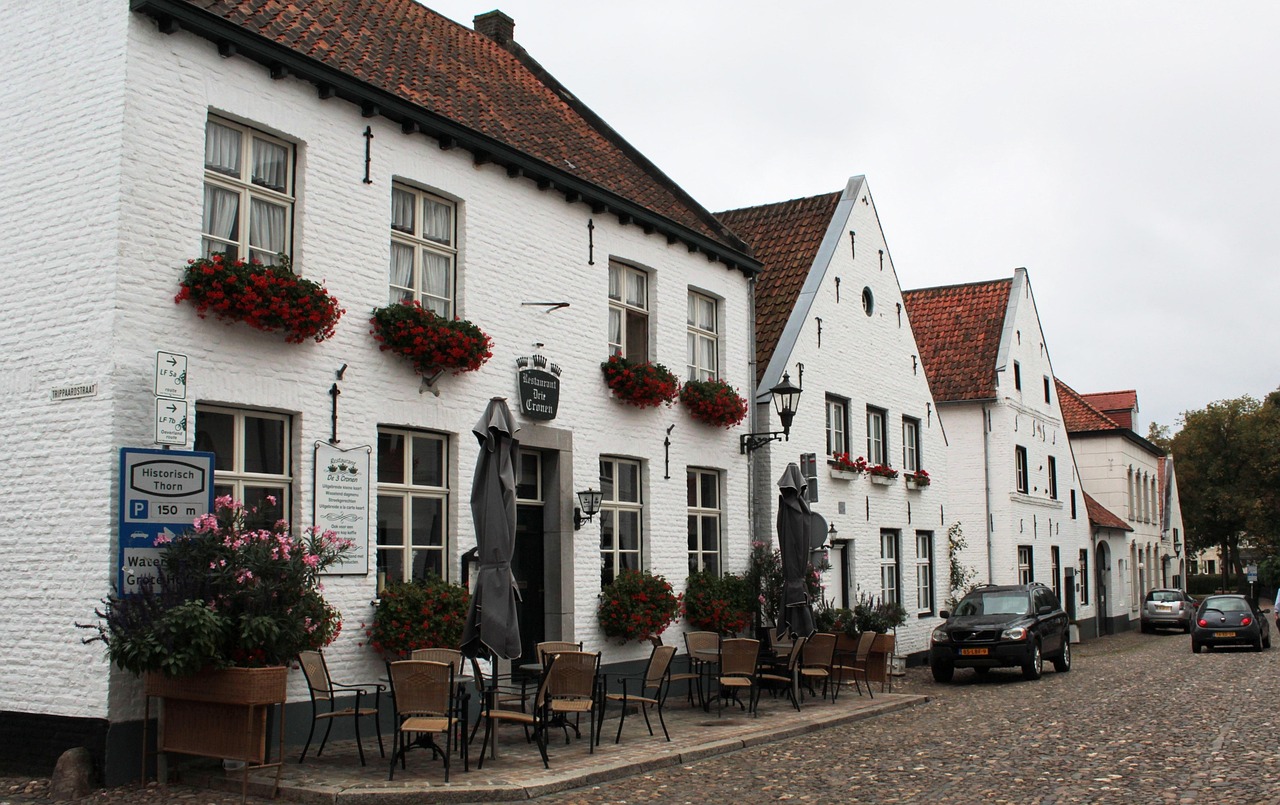
The east of the Netherlands is the counterpart to the land of dykes and tulips: here the camper rolls through pine forest and heathland, along sandy roads with deer-crossing signs and beside the IJssel, whose dyke roads wind between meadows and pollarded willows. In the morning mist lies over the riverside meadows; in the evening the bells of the Hanseatic towns drift across, their brick gables grown rich back in the days of the cog. From the sliding door you look out at red deer on the edge of the Veluwe forest, at reeds and peat cuttings in the Weerribben, at purple heather in the Dwingelderveld. In Drenthe, boulders weighing many tonnes, piled up into tombs some 5,000 years ago, lie between village fields and rye. The stages are short and the bike sets the pace: white loan bikes in the national park, junction routes from village to village, an evening on the ramparts of Bourtange as the windmill stands in the last light.
Stage-by-stage plan
1Stage 1: Arnhem to Otterlo (approx. 25 km)
- The drive
- From Arnhem head north to the Nederlands Openluchtmuseum on the edge of the forest, then via Schaarsbergen on the country road along the western edge of the national park, through pine forest and heathland, to Otterlo. Well-built country roads, often 60 km/h with deer crossings in the forest sections; cyclists on the parallel cycle paths cross at junctions and roundabouts with right of way. Under an hour's driving time.
- Highlights & must-sees
- Nederlands Openluchtmuseum: farmhouses, windmills and workshops from every province, plus a historic tram on the grounds – a whole day fills up quickly; check seasonal opening hours.
- The John Frostbrug and the Rhine riverbank in Arnhem, scene of the airborne battle of 1944; the Airborne Museum Hartenstein in neighbouring Oosterbeek tells the story in detail.
- Park Sonsbeek with its waterfall and streams, a quiet walk on the northern edge of the city centre.
- CampingSpirit overnight tip
-
Official campsite or RV park: Camping Otterlo in the village, a small site not far from the Otterlo national park entrance, with electricity and toilet and shower facilities; ask in advance about waste disposal, length limits and season. Larger alternatives in the village are Camping Beek en Hei and Het Kikkergat. If you want to stay in Arnhem, Camping Warnsborn lies in the woods north of the city, not far from the open-air museum.
Free camping or nature tip (where legal): Wild camping is also prohibited in Gelderland: municipal bylaws forbid sleeping in a vehicle on public roads and car parks, and on the Veluwe Natura 2000 protection and private forest owners add to that. Walking and forest car parks are often closed off by barriers at night or designated as quiet zones for wildlife; rangers and municipal enforcement officers carry out checks.
- Insider tip for campers
- Arnhem has a low-emission zone for older diesel cars and vans in the city centre around the station, and since June 2026 also a zero-emission zone for vans and lorries, enforced by number-plate cameras; check the minimum standard and how your vehicle is classified on milieuzones.nl before you arrive. The easiest option is to bypass the centre entirely and drive to the open-air museum in the north of the city straight from the motorway.
2Stage 2: Otterlo to Apeldoorn via Hoenderloo (approx. 25 km)
- The drive
- In the morning, leave the motorhome behind: cycle from the site to the Otterlo park entrance and ride the white bikes through De Hoge Veluwe National Park. In the afternoon drive through dense forest to Hoenderloo and on along the N304 to Apeldoorn; a flat, well-built route, with a narrow village through-road with speed bumps in Hoenderloo. Around 40 minutes' drive.
- Highlights & must-sees
- The Kröller-Müller Museum in the middle of the park, with one of the largest Van Gogh collections in the world and an extensive sculpture garden – admission is charged on top of the park entry fee.
- The white bikes (“witte fietsen”): free at the entrances and at the park centre, on more than 40 kilometres of cycle paths through heathland, drifting sands and forest.
- Jachthuis Sint Hubertus, Berlage's hunting lodge by the water, and the wildlife observation points where red deer, wild boar and mouflon appear in the evening.
- CampingSpirit overnight tip
-
Official campsite or RV park: Camperplaats en melkveebedrijf De Grote Leigraaf south-east of Apeldoorn, a motorhome stopover on a dairy farm with electricity, fresh water and waste disposal; well placed for continuing towards Zutphen. For a small campsite with toilet and shower facilities, De Wolfskuil south of Apeldoorn is a good choice. Check facilities and season in advance.
Free camping or nature tip (where legal): Staying overnight in the national park is out of the question: the gates close in the evening, with times changing month by month. Camping is also prohibited in the car parks on the forest edge at Hoenderloo and Apeldoorn. If you want flexibility, search Campercontact for farm stopovers – there are plenty of them on the Veluwe.
- Insider tip for campers
- Check the park's website beforehand to see whether motorhomes may drive into the park and at what rate – it is simpler to leave the vehicle at the site in Otterlo. The white bikes stay in the park; your own bikes are allowed. September and October are the red deer rut: go to the observation points early or shortly before the gates close.
3Stage 3: Apeldoorn to Deventer via Zutphen (approx. 45 km)
- The drive
- In the morning head to the north of Apeldoorn for Paleis Het Loo, then take the N345 through flat pastureland to Zutphen on the IJssel and continue on the N348 along the east bank to Deventer. Well-built roads; the old towns have narrow lanes and pedestrian zones – do not drive in. Around an hour's drive.
- Highlights & must-sees
- Paleis Het Loo: the hunting palace of the House of Orange with its baroque garden, reopened in 2023 after several years of renovation with new underground exhibition spaces.
- Zutphen: the Walburgiskerk with the Librije, a 16th-century chained library, plus the town wall, the Drogenapstoren and the Hanseatic quarters on the river Berkel.
- Deventer: the Brink with the Waag building, the Lebuïnuskerk (tower climbs in season) and the Bergkwartier with its medieval lanes; Deventer Koek, the spiced cake, is the souvenir to take home.
- CampingSpirit overnight tip
-
Official campsite or RV park: Stadscamping Deventer on the west bank of the IJssel opposite the old town, with a view of the skyline; walk or cycle into town across the Wilhelminabrug. Toilets and showers, electricity and waste disposal available; motorhomes only up to about 7 metres long; open roughly from April to October, check the season in advance. In Zutphen, the municipal Camperplaats Houtwal lies close to the centre, with a few pitches, electricity, water and waste disposal.
Free camping or nature tip (where legal): In the Hanseatic towns, sleeping in a vehicle outside the designated motorhome stopovers is prohibited; the riverside car parks on the IJssel are checked. The town meadows by the river are floodplain and often closed after rain.
- Insider tip for campers
- Apeldoorn and Deventer are only planning zero-emission zones for vans and lorries in the coming years; if your camper is registered as a van or lorry, check the current status on milieuzones.nl before you travel. In Zutphen and Deventer it is best to stay at the stopover and take the bike: the multi-storey car parks in the centres have height restrictions. Market in Deventer on the Brink; ask locally about market days.
4Stage 4: Deventer to Kampen via Hattem (approx. 55 km)
- The drive
- Head north along the west bank of the IJssel via Olst and Wijhe to Hattem and on to Kampen. Partly on narrow dyke roads with passing places, farm traffic and weight restrictions; where signs exclude larger vehicles, switch to the parallel provincial roads. The small car ferries across the IJssel, for example at Olst and Wijhe, are short crossings, some with tight ramps, and fill up quickly at weekends; ask the operator about vehicle limits – the route works without a ferry. Around 1.25 hours.
- Highlights & must-sees
- The IJssel dyke between Olst and Wijhe: riverside meadows, pollarded willows and brickworks, especially lovely by bike on the dyke paths.
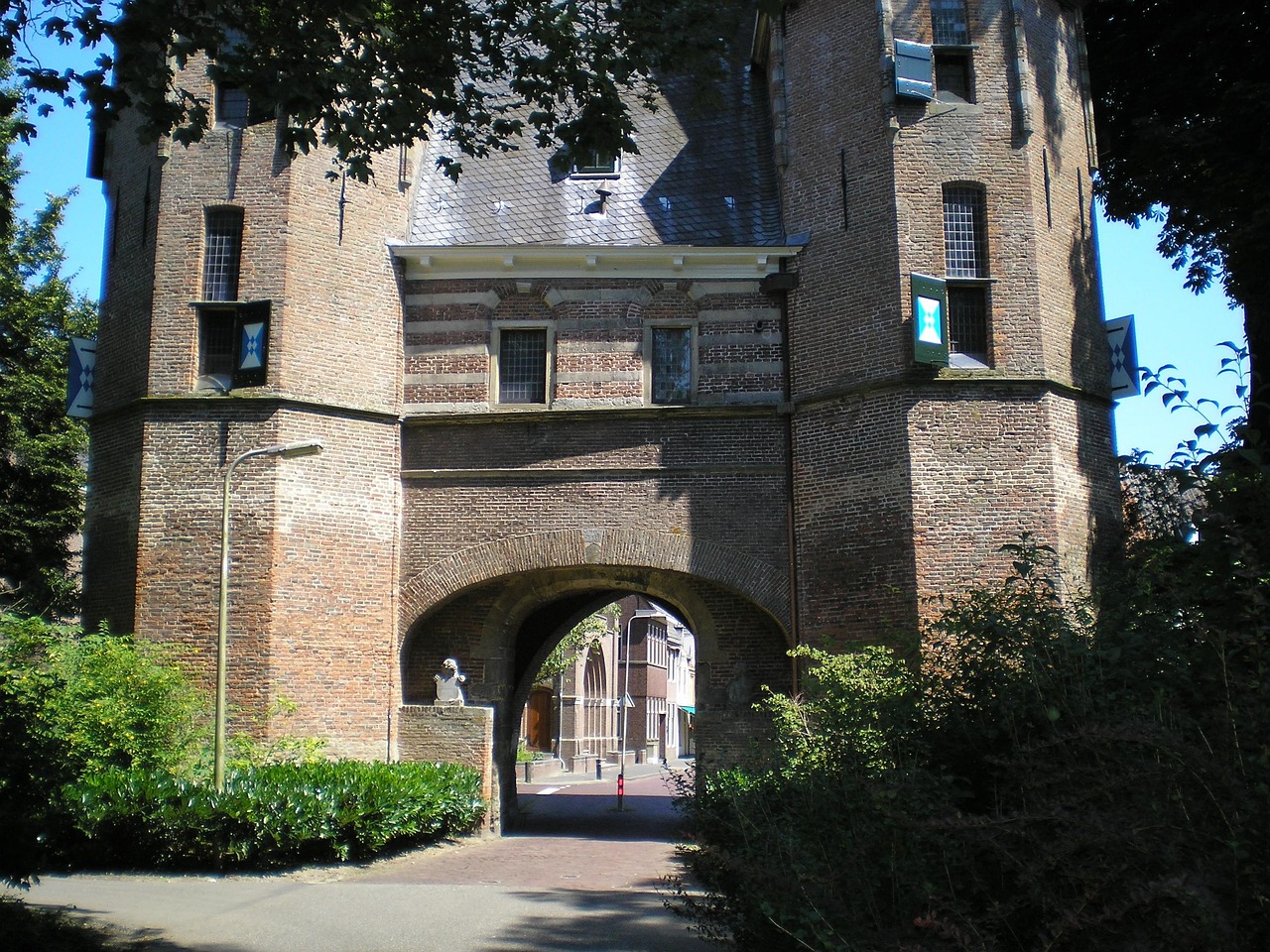
- Hattem: a small Hanseatic town with a town gate and a bakery museum, on the edge of the northern Veluwe.
- Kampen: the town bridge over the IJssel, the Koornmarktspoort and Broederpoort, the Nieuwe Toren and, on the quay, a replica Hanseatic cog.
- CampingSpirit overnight tip
-
Official campsite or RV park: Camperplaats Kampen close to the centre on the IJssel, within walking distance of the old town; check electricity and waste disposal on site. With full toilet and shower facilities: Camping Seveningen in green surroundings north of the town. Arrive early in summer.
Free camping or nature tip (where legal): The dykes and riverside meadows are a Natura 2000 area and flood-defence structures – parking on dyke crests and sleeping there is prohibited, as it is in the car parks at the ferry landings unless motorhome pitches are designated there.
- Insider tip for campers
- For the day, the cycle route along the IJssel following the junction network (fietsknooppunten) is worthwhile: numbers on green-and-white signs; photograph the map at the starting point or plan in the Fietsknoop app. Fill up with water before you head towards Wieden – this is not always possible at small motorhome stopovers.
5Stage 5: Kampen to Giethoorn via Zwolle (approx. 50 km)
- The drive
- A short hop to Zwolle, then along the N331 through flat grassland via Hasselt and Zwartsluis into the lake and fen area of Weerribben-Wieden. From Zwartsluis on, narrower roads along canals and lift bridges that open for boats – allow for waiting times. Around an hour.
- Highlights & must-sees
- Zwolle: the Sassenpoort, the tower of the Onze Lieve Vrouwekerk known as the “Peperbus”, and Museum de Fundatie with its silver dome.
- Giethoorn: the village without a through road, with thatched farmhouses along canals and wooden bridges; go by electric boat or canoe early in the morning, before the coach parties arrive.
- Weerribben-Wieden National Park, one of the largest lowland peat bogs in north-western Europe: reeds, peat cuttings, otters and purple herons; visitor centres in Ossenzijl and Sint Jansklooster.
- CampingSpirit overnight tip
-
Official campsite or RV park: Camperplaats Haamstede on the edge of Giethoorn, a motorhome stopover with electricity, water, waste disposal and toilets and showers, close to the boat hire places. South of the village, Camperresort Bodelaeke offers many pitches with electricity and waste disposal; Camping de Stouwe is an alternative run as a full campsite. Book ahead in summer.
Free camping or nature tip (where legal): In the national park and along the canals, sleeping outside the sites is prohibited; the car parks on the edge of the village charge fees and are often full during the day. In Zwolle the municipality provides central motorhome parking at the Turfmarkt with a few spaces; peace and quiet there is not guaranteed.
- Insider tip for campers
- Do not drive the motorhome into the village streets of Giethoorn – they are narrow, closed to through traffic and full of cyclists. Canoes and electric boats can be hired without a licence; the canals are quietest in the morning.
6Stage 6: Giethoorn to Dwingeloo (approx. 40 km)
- The drive
- Via Steenwijk and Havelte to Diever and Dwingeloo in Drenthe. Quiet country roads through forest, heathland and village-field settlements with brinks (village greens); some cobblestones and narrow passages in the villages. Around 45 minutes.
- Highlights & must-sees
- Dwingelderveld National Park, the largest wet heathland in Western Europe: boardwalks across moorland pools, flocks of sheep with shepherds, heather in bloom in August.
- The Dwingeloo Radio Telescope on the edge of the heath, a monument to radio astronomy from the 1950s.
- Dwingeloo with its brink, village church with an onion-domed tower and farmsteads; Diever with its open-air theatre in summer.
- CampingSpirit overnight tip
-
Official campsite or RV park: Camperparc Stee in Lhee near Dwingeloo, a large motorhome stopover with electricity, toilets and showers and waste disposal on the edge of the national park. Several campsites lie in the surrounding area, such as De Olde Bârgen and Torentjeshoek.
Free camping or nature tip (where legal): A strict ban on overnight stays applies in the national park; however, Staatsbosbeheer runs simple nature campsites, such as Lheederzand near Lhee, where motorhomes up to about 8 metres long may stay; you need a Natuurkampeerkaart, available online or on site. Check the maximum stay and season in advance.
- Insider tip for campers
- The cycle junction network in Drenthe is dense and low on traffic: from the stopover you ride straight into the heath. Dogs must be kept on a lead in the national park, and some areas are protected as breeding and grazing zones.
7Stage 7: Dwingeloo to Borger via Orvelte (approx. 50 km)
- The drive
- Via Beilen to Orvelte, then via Westerbork and through forest and farmland to Borger on the Hondsrug, a low ridge from the Ice Age. Wide, quiet roads with separate cycle paths. Around an hour.
- Highlights & must-sees
- Orvelte: a car-free museum village with Saxon hall houses, craftspeople and pastures; car park on the edge of the village.
- Herinneringscentrum Kamp Westerbork near Hooghalen: the former transit camp from which Anne Frank, among others, was deported – a quiet, moving stop.
- Hunebedcentrum Borger and, next to it, the largest hunebed in the Netherlands, a Neolithic stone chamber.
- CampingSpirit overnight tip
-
Official campsite or RV park: Camperplaats Nuuverstee in Borger, a motorhome stopover with electricity, water, waste disposal and toilets and showers. A campsite with motorhome pitches is Camping Hunebed near Borger. Book ahead in summer.
Free camping or nature tip (where legal): Hunebeds are protected monuments – do not climb on the stones, not even for photos. Sleeping overnight in the car parks at the hunebeds is prohibited.
- Insider tip for campers
- The hunebeds are easy to tour by bike: most of the Netherlands' fifty-odd megalithic tombs are in this province, many of them along the Hondsrug. Check opening hours in Orvelte and Westerbork beforehand.
8Stage 8: Borger to Bourtange (approx. 45 km)
- The drive
- Via Stadskanaal and Ter Apel to Bourtange, right on the German border. Long straight roads past canals, peat colonies and farmland. Around 50 minutes.
- Highlights & must-sees
- Klooster Ter Apel: the only surviving medieval monastery in the region, with a herb garden and a belt of woodland.
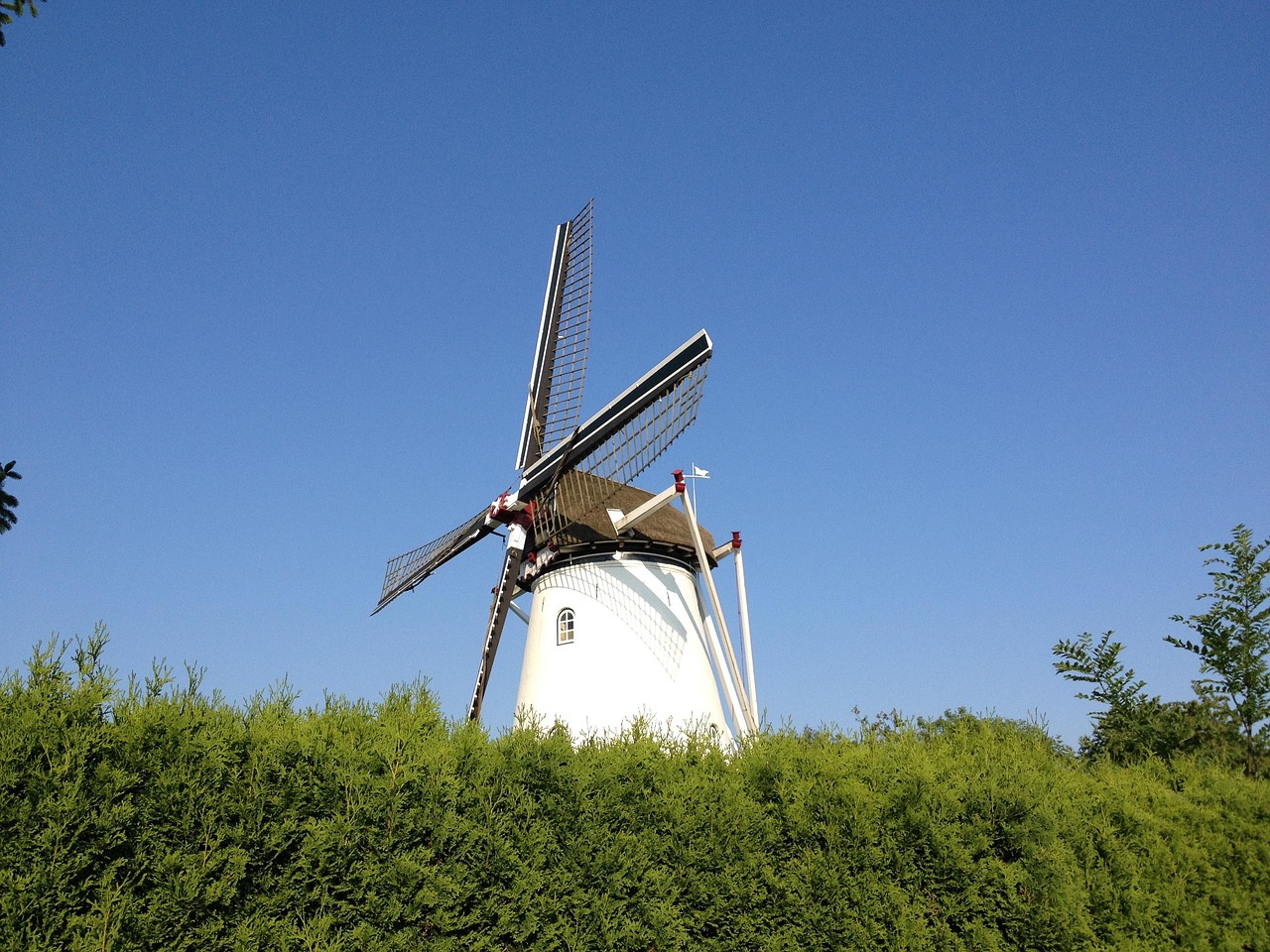
- Bourtange fortress: a late 16th-century star fort with ramparts, moats, a windmill and barracks, restored after decades of work.
- The view from the bastions over moats and moorland to the border – best in the evening.
- CampingSpirit overnight tip
-
Official campsite or RV park: Camping ’t Plathuis a few hundred metres from the fortress, with motorhome pitches up to about 10 metres long, electricity, waste disposal and toilets and showers; open roughly from April to October, check the season in advance.
Free camping or nature tip (where legal): Sleeping in a vehicle is prohibited in the fortress village, and the visitor car parks are not overnight pitches. If you continue across the border into Lower Saxony, you will find a different legal situation there: a single overnight stay to restore fitness to drive is usually tolerated in Germany, but camping behaviour is not.
- Insider tip for campers
- In Bourtange, do not drive through the fortress gate into the lanes: cobblestones, narrow bridges, car park in front of the fortress. Top up gas and water before crossing the border – LPG supply is denser in Emsland than in eastern Groningen.
Camping practice & local rules
Wild camping & overnight parking
- Wild camping is prohibited in Gelderland, Overijssel, Drenthe and Groningen, as it is throughout the country: municipal bylaws (APV) forbid sleeping in vehicles on public roads and car parks, and in Natura 2000 areas and national parks nature conservation law applies as well. There are checks and fines in the rural east too.
- You can stay legally at campsites, municipal and harbour camperplaatsen, farm stopovers and minicampings; some campsites have stop-&-go pitches for one night. Tourist tax per person per night is usually charged on top.
- Staatsbosbeheer and other nature organisations run simple nature campsites in the forest and on the heath; many require a Natuurkampeerkaart, and motorhomes are only admitted at some of them. The park gates of the Hoge Veluwe close in the evening.
- To find a pitch, use Campercontact, park4night and the regional tourist office websites; book ahead in the summer holidays and at weekends in spring.
Waste disposal & supplies
- Most camperplaatsen have water and waste disposal for cassette and grey water, often paid by coins, tokens or card. Never drain grey water into ditches, canals or onto heathland – the water in the bogs and in the Weerribben is nutrient-poor and sensitive.
- Tap water is drinking water; at taps, look out for “Geen drinkwater”.
- Gas: German exchange cylinders are not exchanged; fill refillable cylinders at LPG stations (“autogas”) with the bayonet adapter. In rural Drenthe and Groningen the LPG network is sparse, while it is denser just across the border in Germany.
- Card payment is accepted almost everywhere; a debit card works more reliably than a credit card, and stopover payment machines often do not take cash.
Vehicle size & traffic rules
- Speed limits: motorhomes up to 3.5 t 50 km/h in built-up areas, 80 outside them, 100 km/h on expressways, and on motorways as signposted (often 100 km/h during the day). Over 3.5 t, 80 km/h everywhere outside built-up areas. Vehicles with trailers 80 outside built-up areas, 90 km/h on expressways and motorways. In forests and villages, 60 and 30 km/h zones are common.
- Low-emission zones: Arnhem has a low-emission zone for older diesel cars and vans in the city centre. Zero-emission zones for vans and lorries apply in Zwolle and, since June 2026, in Arnhem; Deventer and Apeldoorn plan them for later years. Enforcement is by number-plate camera, without a sticker. Campers registered as vans or lorries may be affected – check the current status and your vehicle's classification on milieuzones.nl, including for Zutphen and Kampen.
- Cyclists: on fietsstraten (“Auto te gast”) cyclists have priority, and at roundabouts cycle paths often cross with right of way. When turning right, check your blind spot; on dyke roads, expect oncoming e-bikes and groups of road cyclists.
- No motorway tolls. Dyke and farm roads often carry weight or width restrictions, and some are open to local access only – obey the signs and set your satnav to your vehicle's dimensions.
- Alcohol: 0.5 per mille, 0.2 for novice drivers; holding a mobile phone is prohibited even when stopped. A warning triangle and high-visibility vest are strongly recommended. Load that protrudes significantly, such as a rear rack with bikes, must be marked.
CampingSpirit packing & preparation checklist
- Your own bikes or e-bikes with charger and a good lock – the route is designed around cycling days, and bike theft is common in the towns.
- Binoculars for red deer in the Hoge Veluwe and waterbirds in the Weerribben.
- Insect repellent and long clothing for evenings by the bogs and canals; ticks are widespread on the Veluwe and in Drenthe.
- Rain gear and warm layers: wind over heath and dyke is chilly even in summer, and showers often arrive without warning.
- LPG bayonet adapter, because exchange cylinders are not exchanged.
- Debit card for stopover payment machines and boat hire, as credit cards are not accepted everywhere.
As of 2026-10. Closures, fees and booking rules change: check official sources before you go.