


In-depth guide · CampingSpirit
From Lappeenranta at the southern end of Lake Saimaa via Imatra, the Punkaharju ridge, the water castle of Olavinlinna and Kuopio to the cliffs of Koli and on to Joensuu: about 665 kilometres through a country with more water than road.
The spirit of the route
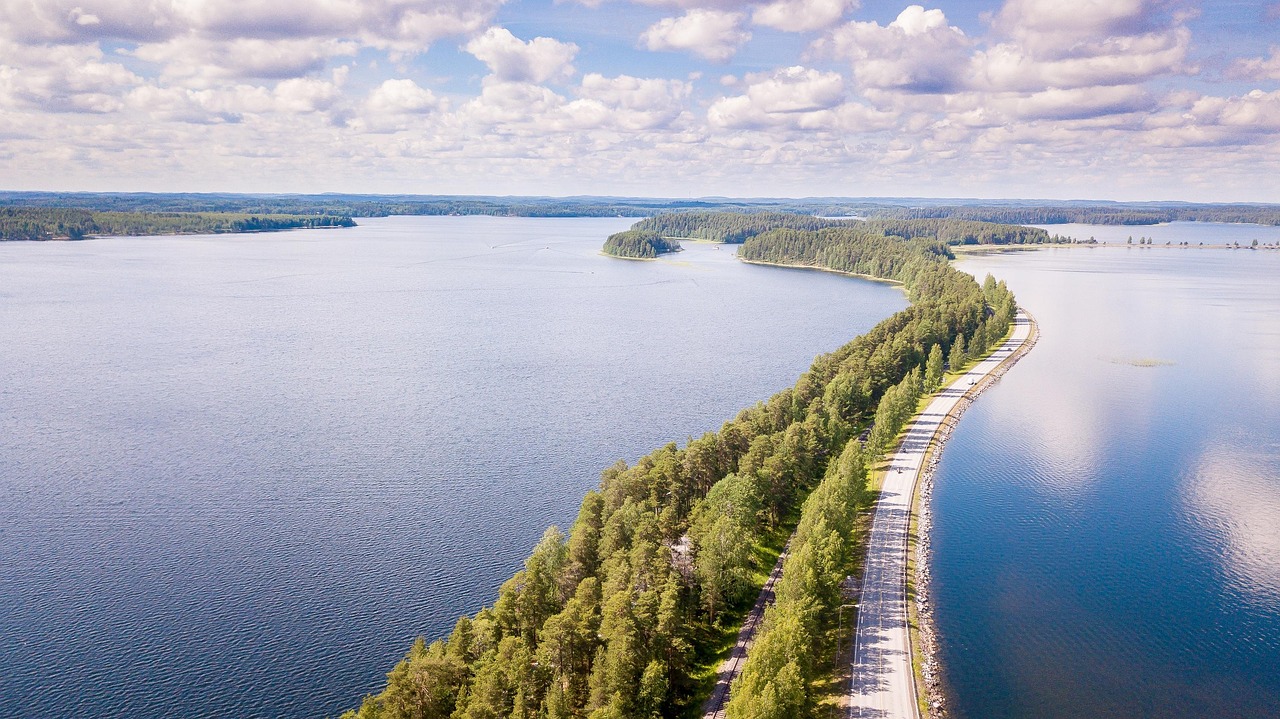
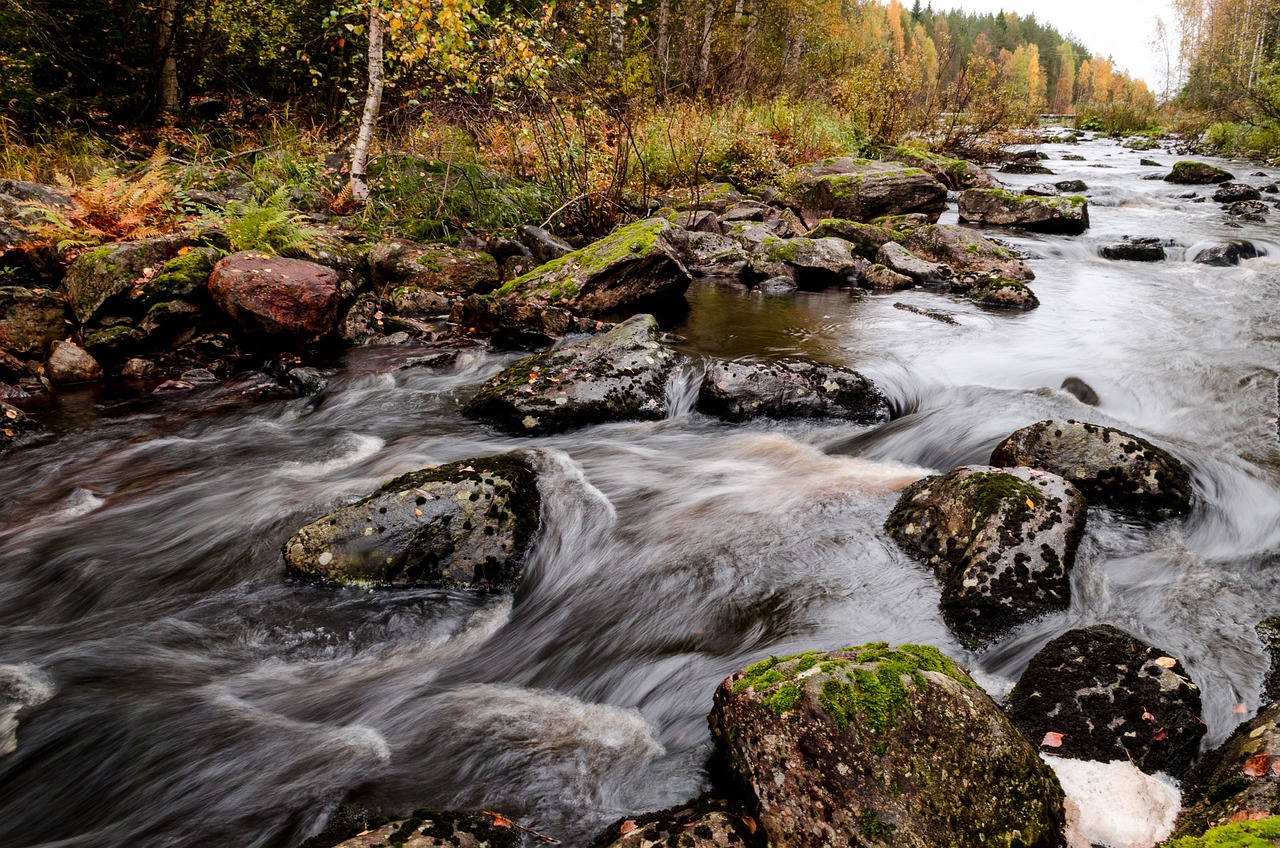
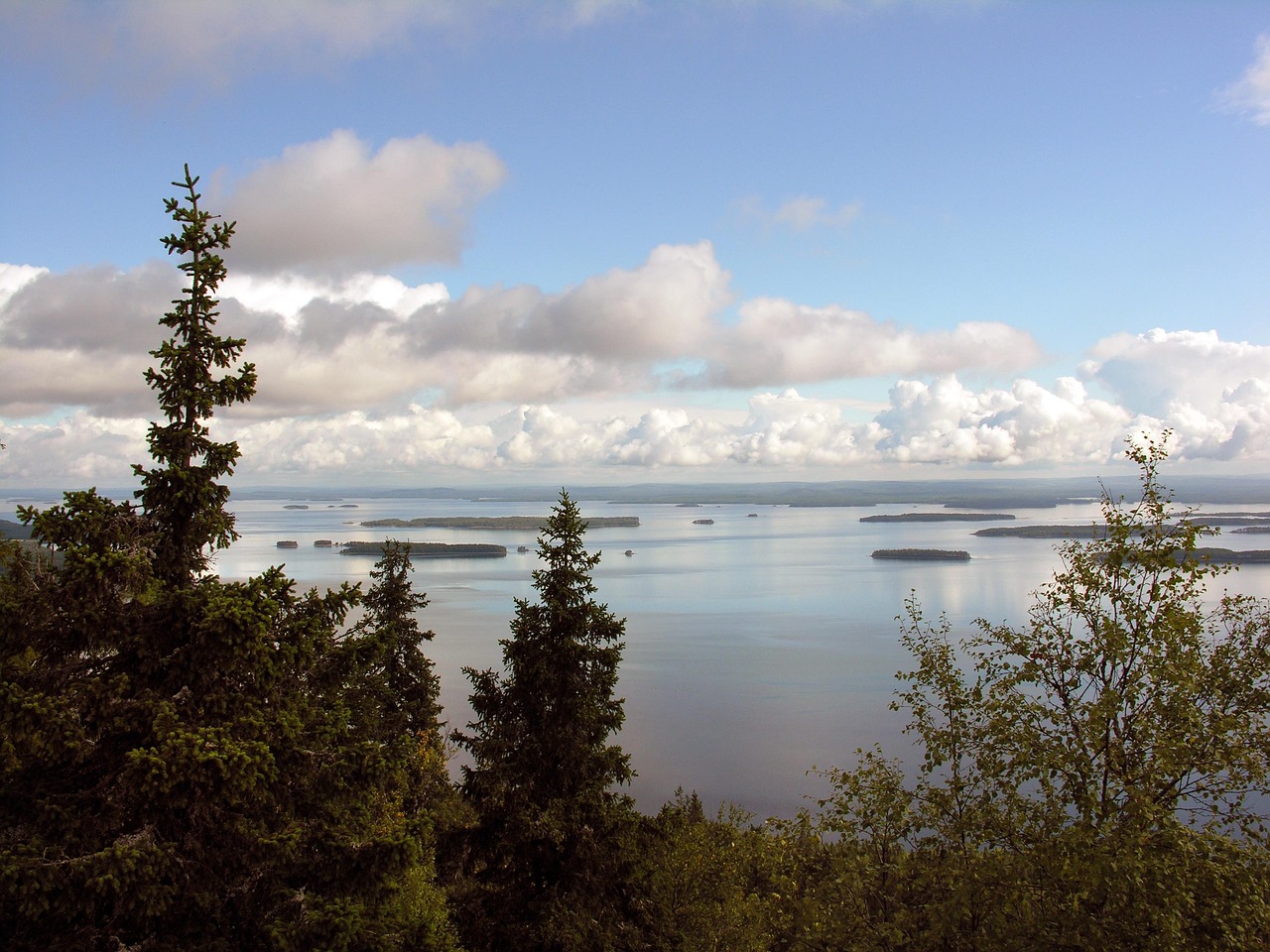
In eastern Finland the map is not terrain but a weave: water, island, water, headland, water. The road threads through pine forest, hops over narrow bridges and sometimes crosses a current on a cable ferry, and behind every bend lies another lake, turning to copper in the evening sun. When you switch off the engine in Savonlinna, the castle of Olavinlinna fills your window, red-grey and right in the water. On the crest of Punkaharju you drive as if on a causeway between two lakes. In Kuopio the air smells of smoked fish, and from the Puijo Tower you see the horizon blue in every direction. In Koli, finally, you climb quartzite rock and look out over the waters of Lake Pielinen. In between: a lakeside sauna, berries by the wayside, moose warning signs and a silence you only really hear after two days. Everyman’s right carries hikers and tent campers; the motorhome stays on roads and sites – and that is exactly why the campsites by the water are so good.
Stage-by-stage plan
1Stage 1: Lappeenranta to Imatra (approx. 45 km)
- The drive
- From Lappeenranta follow main road 6 (Vt 6) along the southern shore of Lake Saimaa to the north-east as far as Imatra. A wide, well-built road with few bends, mostly 80–100 km/h; driving time is under an hour. The day belongs to the water, not the road.
- Highlights & must-sees
- Lappeenranta, harbour and the Linnoitus fortress quarter: stroll through the complex above the Saimaa shore and along the landing stages of the excursion boats.
- Saimaa Canal: locks and viewpoints near Lappeenranta; the canal links Lake Saimaa with the Gulf of Finland. Whether you can visit the locks needs to be checked on site.
- Imatrankoski on the Vuoksi: rapids in a gorge, with the Art Nouveau castle of the Valtionhotelli above; reachable from the riverside paths.
- CampingSpirit overnight tip
-
Official campsite or RV park: Camping Lappeenranta lies on the Saimaa shore south-west of the centre, with electricity and sanitary facilities according to map data; check season and motorhome pitches with the operator in advance. The map data also list the motorhome stopover Pallonlahden matkaparkki in Lappeenranta. In Imatra they list Vuoksen kalastuspuisto by the river and Sun Camping Imatra; check facilities and opening times before you arrive.
Free camping or nature tip (where legal): The Finnish right of public access (jokamiehenoikeus) allows hiking, berry picking and short-term tenting in nature, but not leaving a motorhome on someone else’s land. Roadside parking is governed by the road traffic rules and the signs; overnighting is possible wherever parking is allowed, but in towns such as Lappeenranta and Imatra, car parks at the harbour and by lakes are in places monitored. On forest tracks with a barrier and in fields, stopping without the owner’s permission is taboo.
- Insider tip for campers
- Fill up and shop in Lappeenranta or Imatra; shops in the countryside are smaller and close earlier. If you visit Imatrankoski, park at one of the designated car parks above the gorge and not on the narrow approach roads to the castle. The rapids’ water shows take place only at set times; ask the town of Imatra for them.
2Stage 2: Imatra to Punkaharju (via Parikkala) (approx. 110 km)
- The drive
- From Imatra take the Vt 6 north-east to Parikkala, then country roads north-west to Punkaharju. Little traffic, long straights, moose warning signs, a few bridges and causeways over lake arms. Driving time is a good two hours; this section shows especially well how forest and water alternate. The distance given is a guide.
- Highlights & must-sees
- Parikkala, sculpture park of Veijo Rönkkönen: the artist filled his home plot at Koitsanlahti, a few kilometres from the centre, with hundreds of concrete figures – quirky, quiet and well worth seeing. The park is freely accessible but unlit; a small shop opens only in summer.
- Siikalahti near Parikkala: bird reserve with an observation tower on the lakeshore; good for migrating birds in spring and autumn. Check access and times on site.
- Punkaharju: the ridge (esker) as a narrow isthmus between the lakes, with the Lusto Forest Museum – the Finnish forestry museum.
- CampingSpirit overnight tip
-
Official campsite or RV park: In Parikkala the map data list the motorhome stopover Matkaparkki Parikkala with electricity. Near Punkaharju there is also the holiday resort Harjun Portti with cabins and a sauna shore; it is not in the map data, so be sure to check availability, season and motorhome pitches in advance.
Free camping or nature tip (where legal): The Punkaharju ridge is a nature reserve (Natura 2000) and a national landscape, managed by Metsähallitus. In protected areas, tenting, fires and driving can be restricted; the current rules are on luontoon.fi. Stop on the narrow road only where it is safe and not prohibited. Legally it remains the case that the right of public access does not cover a motorhome on someone else’s land; pitches on farms with the owners’ consent or in the Matkaparkki network are the clean solution.
- Insider tip for campers
- Drive the old country road over the ridge (Harjutie) early in the morning or late in the evening if you can: less traffic, better photos, and room to stop. If you prefer to push on quickly in a motorhome, take the main road over the ridge. At Lusto a break in the museum café is worthwhile; during events the car park can fill up.
3Stage 3: Punkaharju to Savonlinna (approx. 35 km)
- The drive
- From Punkaharju take the main road to Savonlinna: a short, well-built stretch of about 35 kilometres through forest and over lake arms, around 40 minutes. The centre of Savonlinna lies on islands and the bridges are narrow; large motorhomes are better off going round the outside to the campsite.
- Highlights & must-sees
- Olavinlinna Castle: a water castle built from 1475, now a museum of the National Museum; guided tours run daily in summer, but opening times and tours change with the season, so check in advance. The opera festival is held here in high summer.
- Harbour and market hall of Savonlinna: a waterside market square with fish, berries and the steamer fleet.
- Riihisaari island: museums and historic wooden ships right on the shore next to the castle.
- CampingSpirit overnight tip
-
Official campsite or RV park: Camping Vuohimäki lies on the western edge of Savonlinna on the lakeshore, with electricity, water and waste disposal according to map data; book early during the festival season. East of the town the map data list Caravan & Camping Tanhuvaara; check facilities and season in advance. Alternatively, the apps Campercontact and park4night list further sites in the area.
Free camping or nature tip (where legal): Overnighting in car parks in the town centre is locally unwelcome in Savonlinna during the festival season and may be prohibited; follow the signs. Away from the town the rule applies again: the right of public access covers tents, not motorhomes on private land. If you want to stay on the lakeshore, ask a farm owner or use providers of farm pitches.
- Insider tip for campers
- Traffic backs up around the castle before the evening performances. If you have tickets, cycle or take the bus from the campsite. Buy fish (vendace) fresh at the market rather than in a restaurant: cheaper and better.
4Stage 4: Savonlinna to Kuopio (via Heinävesi and Varkaus) (approx. 195 km)
- The drive
- From Savonlinna take country roads and main roads north and north-west via Heinävesi and Varkaus to Kuopio. The way leads through the lake district between Saimaa and Kallavesi, with narrow bridges and long forest stretches; on minor routes there may be a cable ferry (the state cable ferries are free). Driving time is about four hours; with the monastery stop, a whole day.
- Highlights & must-sees
- New Valamo (Uusi-Valamo) near Heinävesi: an Orthodox monastery in the forest, with a church, café and shop; it lies a detour off the main route. Check visiting times beforehand.
- Varkaus: an industrial town on the waterway with a canal and harbour promenade. A short walk rather than a long visit.
- Arriving in Kuopio across Kallavesi: the first view of the Puijo hill with its tower.
- CampingSpirit overnight tip
-
Official campsite or RV park: Matkailukeskus Rauhalahti in Kuopio lies on the shore of Kallavesi, a large holiday park with campsite, cabins, sauna and restaurant; the map data list electricity, fresh/waste water and sanitary facilities and around 260 pitches. Check season and motorhome reservations with the operator in advance.
Free camping or nature tip (where legal): Here too: roadside parking according to the signs, overnighting on other people’s land only with permission. Rest areas along the route are for parking; whether overnighting is allowed there depends on the signs. In Kuopio, built-up areas are monitored.
- Insider tip for campers
- Fill up and shop in Varkaus or Heinävesi on the way; after that there is little infrastructure. If you use a cable ferry, wait for the ferry crew’s instructions and drive on slowly; with large motorhomes, check beforehand whether space and load capacity are sufficient.
5Stage 5: Kuopio to Kuopio (Puijo and harbour) (approx. 30 km)
- The drive
- A day without a long haul: from Rauhalahti on the lakeshore into town and up to the Puijo hill. The approach to the tower climbs uphill; with a large motorhome, use the city bus or a bike instead. Driving time is only a few minutes, the rest is time for looking.
- Highlights & must-sees
- Puijo Tower: a 75-metre-high lookout tower on the Puijo hill with a panoramic view over Kallavesi and the lake landscape; revolving restaurant in the tower.
- Market square and market hall of Kuopio: kalakukko (rye bread filled with fish) is the town’s speciality.
- Harbour on Kallavesi: excursion boats, lakeside path and sunset over the water.
- CampingSpirit overnight tip
-
Official campsite or RV park: Stay on at Matkailukeskus Rauhalahti. The site lies about four kilometres south-west of the centre, reachable by bike or bus; check season and motorhome pitches in advance.
Free camping or nature tip (where legal): Within the town of Kuopio, overnighting outside sites is not provided for; in the surrounding area the legal position of the right of public access applies again (tent yes, motorhome on private land no). Smoking and fires in the Puijo forest are prohibited during a forest fire warning.
- Insider tip for campers
- The Puijo Tower has a lift and is at its best in clear weather. Buy smoked fish and kalakukko in the market hall in the morning, while the choice is still complete.
6Stage 6: Kuopio to Koli (approx. 175 km)
- The drive
- From Kuopio take main roads and country roads north-east through North Savo and North Karelia to Koli on the western shore of Lake Pielinen. Forest, hills and small lakes, often timber lorries; at the end the road climbs to the Koli ridge. Driving time is around three hours; choose the exact route with your sat nav and a current map. The distance given is a guide.
- Highlights & must-sees
- Ukko-Koli: the highest point of the ridge with a wide view over Lake Pielinen; a short climb from the visitor centre.
- Circular trail through the hill’s cultural landscape with slash-and-burn clearings and old timber buildings.
- Pielinen shore in Koli: a walk by the water or a boat trip from the harbour.
- CampingSpirit overnight tip
-
Official campsite or RV park: Around Koli there are several sites to choose from: Koli Freetime in the Kopravaara district (also named by Metsähallitus as accommodation in the area), Loma Koli and Holiday Koli Camping north of the centre, plus the motorhome stopover Kolin Satama at the harbour according to camper portals. Facilities, opening times and motorhome pitches are seasonal; book in advance during the autumn colours season (ruska).
Free camping or nature tip (where legal): In Koli National Park tenting is allowed only on marked sites, and there are no pitches for motorhomes in the park; the campsites are in the surrounding area. Driving off the roads is prohibited, campfires only at the marked fire pits and not during a forest fire warning. The right of public access applies only in a limited way in the park; Metsähallitus rules take precedence.
- Insider tip for campers
- Fill up and shop in Kuopio or on the way; in North Savo, larger towns are further apart. Arrive in Koli early, before the car parks at the ascent fill up, especially at weekends and during ruska.
7Stage 7: Koli to Joensuu (approx. 75 km)
- The drive
- After a morning hike, leave Koli on the main road south towards Joensuu, the capital of North Karelia. A well-built stretch, about 75 kilometres and roughly an hour’s driving. Joensuu lies on the Pielisjoki and is a good stop for shopping, waste disposal and the onward journey.
- Highlights & must-sees
- Hiking trails on the ridge between Ukko-Koli and Paha-Koli: several viewpoints above the lake, hiking time a few hours depending on the route.
- Joensuu: market and harbour on the Pielisjoki, riverside promenade, Karelian pasties (Karjalanpiirakka) in a café.
- Pielinen: views from the shore, bathing spots and bathing saunas by the water, already in Koli too.
- CampingSpirit overnight tip
-
Official campsite or RV park: In Joensuu the map data list Linnunlahden leirintäalue and the motorhome stopover Jokiasema, both on the Pielisjoki; near Kontiolahti there are further sites. Check season, facilities and motorhome pitches with the operator in advance.
Free camping or nature tip (where legal): Joensuu urban area: overnighting in car parks is allowed only where parking is permitted; the town’s own bylaws must be observed. Outside the town the rule on the right of public access applies again: no standing on private land without consent, no off-road driving.
- Insider tip for campers
- Before moving on, empty your waste and refill water in Joensuu. If you extend your night in Koli, start the ascent at sunrise; the trails stay clear in the morning.
Camping practice & local rules
Wild camping & overnight parking
- The right of public access (jokamiehenoikeus) in Finland allows hiking, cycling, berry picking, swimming and temporary tenting at a reasonable distance from houses, but not driving off the roads and not leaving a motorhome on someone else’s land. Motorhomes are not expressly mentioned in the rules; on the road, signs and municipal bylaws apply wherever parking is allowed. Private tracks, fields and forest tracks with a barrier remain taboo without the owner’s consent.
- National parks such as Koli and protected areas such as the Punkaharju ridge have their own rules: tenting only on marked sites, fires only at fire pits, driving only on roads. Check the current rules with the park administration Metsähallitus (luontoon.fi).
- Open fires are banned regionally during a forest fire warning (metsäpalovaroitus); the warnings are published by the weather service. Refrain from smoking in the forest then.
- Useful apps: Matkaparkki (pitches on farms), park4night, Campercontact. For the sake of the Saimaa ringed seal, do not disturb breeding areas; follow the nature conservation authority’s notices.
Waste disposal & supplies
- Water supply and waste disposal are available at most campsites, a few stations at petrol stations or in harbours; not everywhere. Check before setting off, and empty the cassette only at designated points.
- Tap water in Finland is excellent and drinkable everywhere. At pitches without a water connection a jerrycan is enough; do not use lake water as drinking water.
- Gas: Finland uses its own cylinder types, and German exchange cylinders are generally not swapped. LPG is rare; arrive with two full cylinders or a refillable cylinder with an adapter.
- Shopping: supermarkets sell fermented drinks (beer, cider, wine) up to 8 per cent and other alcoholic drinks up to 5.5 per cent; stronger drinks are sold only at the state-run Alko. Card payment is standard everywhere.
Vehicle size & traffic rules
- Speed limits: usually 50 km/h in built-up areas, 80 km/h outside, 100 km/h on main roads, up to 120 km/h on motorways in summer; in the winter half-year the limits are lowered regionally and by sign. Motorhomes up to 3.5 t follow the car limits. Combinations generally drive at most 80 km/h (with a light trailer sometimes 100). For motorhomes over 3.5 t, 80 km/h applies in principle; with certain equipment (including ABS, driver airbag, seat belts) and registration, 100 km/h may be permitted – observe the vehicle documents and signs.
- Dipped headlights or daytime running lights are compulsory all year, the alcohol limit is 0.5 per mille, and mobile phones may be used only hands-free. Carry a warning triangle.
- Dimensions: width maximum 2.55 m, height 4.40 m, length 12 m (combinations longer). No toll or vignette for cars and motorhomes; cable ferries are free.
- Winter tyres are compulsory from 1 December to the end of February, and also from 1 November to 31 March in wintry conditions; for late-autumn trips, check the weather and your tyres. Report collisions with moose, deer, bear, wolf or reindeer immediately by calling 112, even if the animal seems unhurt.
- Ticks are common in Finland, including in the lake district; cases of TBE (tick-borne encephalitis) occur in parts of the country. Ask a doctor or travel medicine service about vaccination, and pack clothing with long sleeves.
CampingSpirit packing & preparation checklist
- Mosquito repellent and head net: in the damp forests and on the lakeshores, mosquitoes and blackflies are a plague in summer.
- Insect screens for the sliding door and roof window: ventilate on the bright summer nights without mosquito visitors.
- Sturdy footwear for rock: the ascents in Koli cross quartzite rock that is slippery when wet.
- Tick card or tweezers: practically indispensable in the grass and at forest edges.
- Bath towel and bathing shoes: the lakes invite you to swim, the lake beds are often stony; a sauna at the site is often available.
- Two gas cylinders and a refillable cylinder with adapter: exchange cylinders from Germany are mostly not accepted in Finland.
As of 2026-10. Closures, fees and booking rules change: check official sources before you go.