


In-depth guide · CampingSpirit
From Tallinn via Lahemaa, Tartu and the hills around Otepää to Pärnu, then on three ferries across Muhu, Saaremaa and Hiiumaa back to the capital: around 1,080 kilometres on quiet roads, with forest sites where staying the night costs nothing.
The spirit of the route
Estonia is a country where the forest reaches right to the roadside and the Baltic Sea appears behind every third bend. On the road you rarely hear more than your own engine, a stork’s nest on an electricity pole and the crunch of gravel when the track to the next campsite branches off. In the evening the camper stands under pines, a fire basket from the state forest agency RMK waits with firewood, and outside the sliding door lies a boulder beach, a raised bog with dark pools or a bay where the water barely tastes of salt. In between are manor houses from the time of the Baltic Germans, a university town on the Emajõgi, an Order castle in Kuressaare, post mills on Saaremaa and the Kõpu lighthouse, which has watched over Hiiumaa since the 16th century. In June it hardly gets dark. The route demands no mountain passes and no hairpins, but it does demand planning: the ferries to the islands need to be booked.
Stage-by-stage plan
1Stage 1: Tallinn to Lahemaa National Park (Palmse, Käsmu, Altja) (approx. 120 km)
- The drive
- Leave Tallinn eastwards on Peterburi tee (road 1, E20), the first 50 km four-lane. Detour to the Jägala waterfall, then take the signposted turn-off to the Viru bog. From Viitna head north to Palmse and Sagadi, on narrower, partly winding asphalt roads through pine forest onto the Käsmu peninsula and on via Võsu to Altja. A good 2 hours of driving time, with no lorry traffic once you leave the main road.
- Highlights & must-sees
- Viru bog (Viru raba): boardwalk of around 3.5 km each way with an observation tower over bog pools and stunted pines, quietest early in the morning.
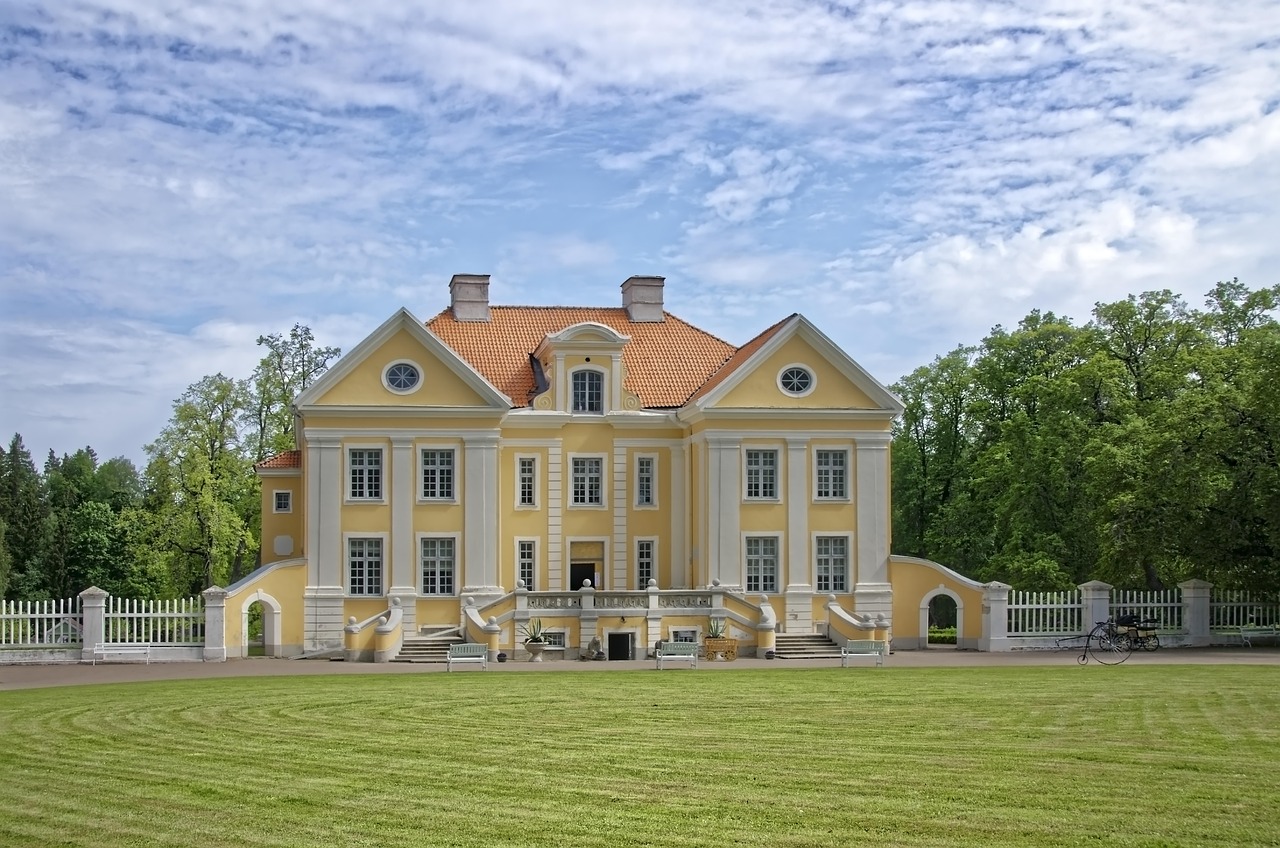
- Palmse manor with its park, ponds and the national park visitor centre – where you can get maps of hiking trails and campsites.
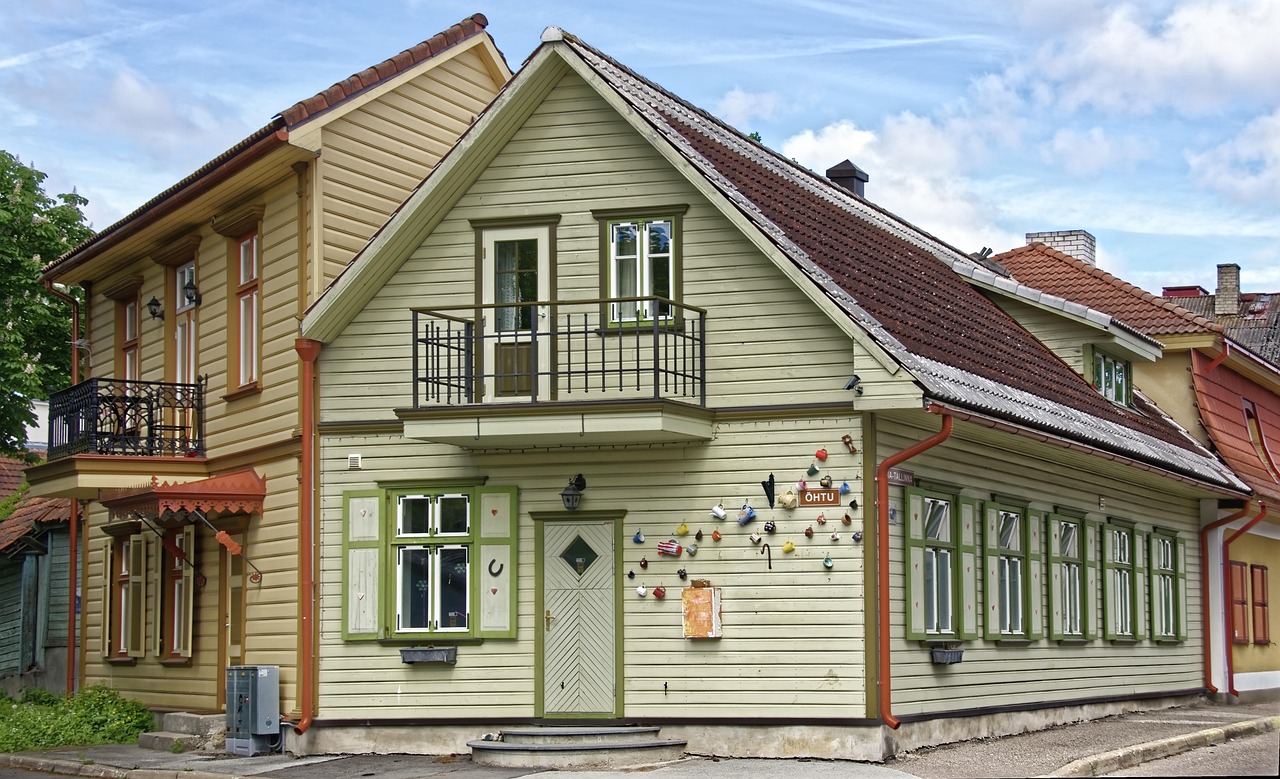
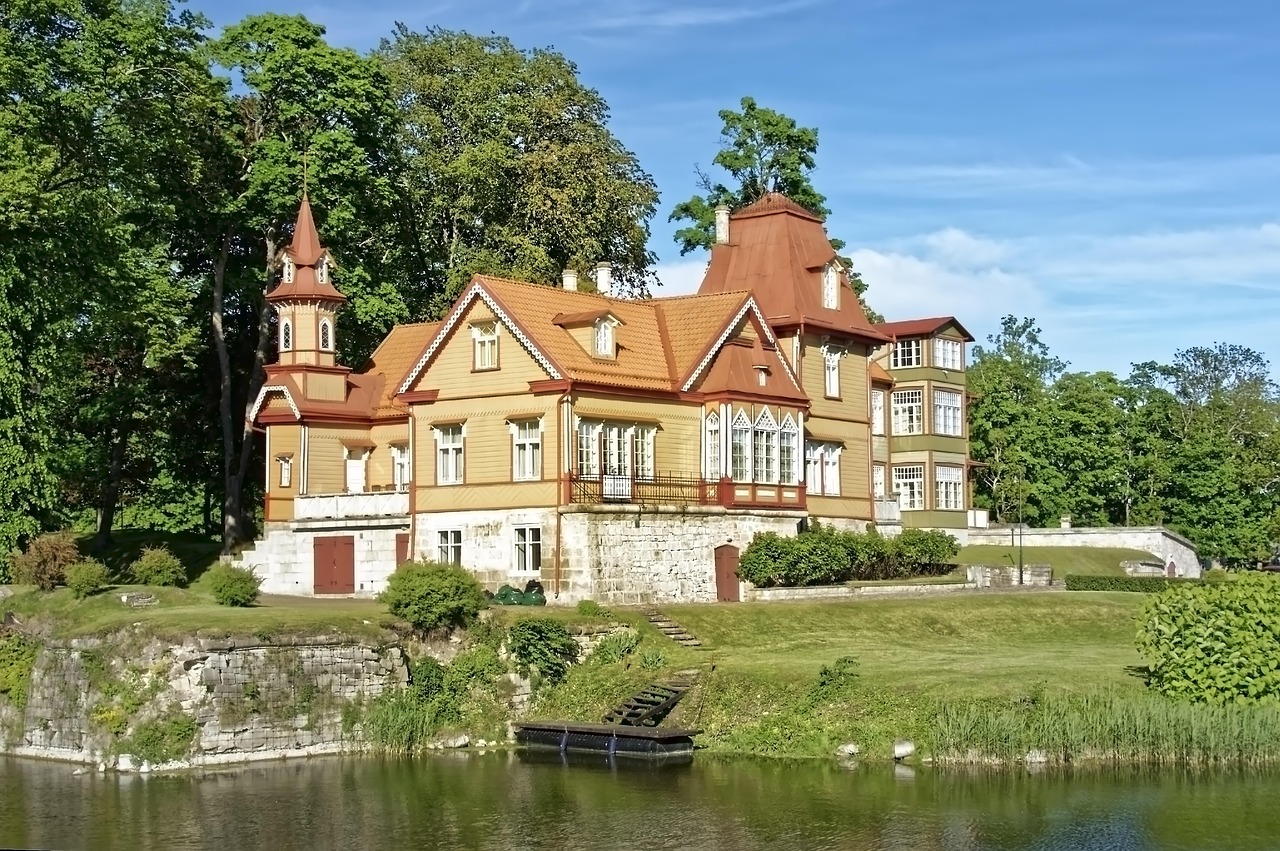
- Käsmu, the “captains’ village”: wooden houses, a small maritime museum and boulders in the forest and on the beach; in Altja net sheds, a village swing and the Altja kõrts tavern.
- CampingSpirit overnight tip
-
Official campsite or RV park: There are no large campsites in the national park, rather small farm and guesthouse pitches; in Altja the Toomarahva farm takes campers – ask about facilities and season in advance. If you need electricity and service points, plan in a farm stay or a site with services and use the night in the forest without hook-ups.
Free camping or nature tip (where legal): RMK maintains several camping and campfire sites by the sea and in the forest in Lahemaa National Park, free of charge, without reservation, on a first-come, first-served basis. The national park’s protection rules apply: camping and fires only at designated places, driving off the tracks is prohibited. Sites and access roads are shown on the RMK map at loodusegakoos.ee or in the RMK app.
- Insider tip for campers
- Fill up with fuel and water in Tallinn or at the latest in Kuusalu: there are only a few filling stations in the national park and hardly any public disposal points. At Viru raba the car park is full at midday on summer weekends – arrive before 9 am. The roads onto the peninsulas are narrow, so take care when pulling over onto the soft sandy verge.
2Stage 2: Altja to Tartu via Lake Peipus (approx. 200 km)
- The drive
- Via Vihula to Rakvere, then south-east via Tudu to Mustvee on Lake Peipus and along the lakeshore road via Raja, Kasepää and Kallaste – the “Onion Route” of the Old Believers – to Tartu. Long, straight sections through forest and fields, along the lake narrow village streets with garden fences on both sides. Around 3 hours of driving time.
- Highlights & must-sees
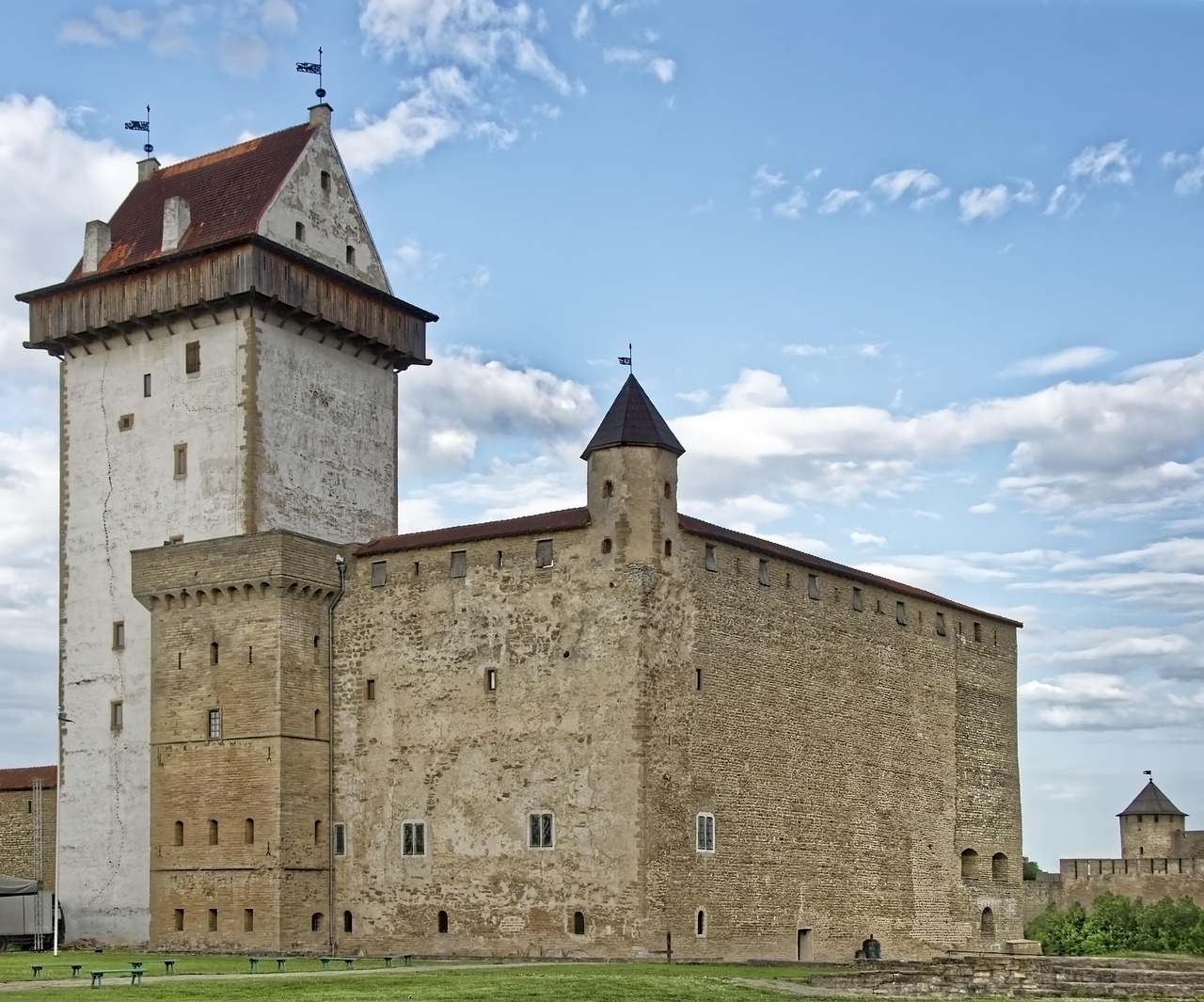
- Rakvere Order castle on the castle hill with a view over the town, a medieval experience museum.
- Old Believers’ street villages on Lake Peipus: wooden houses, onion beds and roadside stalls selling smoked fish.
- In Tartu: Town Hall Square, Toome Hill (Toomemägi) with the cathedral ruins and the Estonian National Museum (ERM) in Raadi.
- CampingSpirit overnight tip
-
Official campsite or RV park: The choice in Tartu is limited and changes; there are motorhome stopovers and camping options on the Emajõgi and on the edge of town. Check current sites, prices and service points in Campercontact or park4night. On the Peipus shore, guest farms in and around Kallaste offer pitches, often without electricity.
Free camping or nature tip (where legal): On Lake Peipus there are RMK campsites on the sandy shore, for example north of Mustvee – lovely spots for the evening, but busy on summer weekends. Sleeping in your vehicle in municipal car parks in Tartu is not generally prohibited, but camping behaviour is unwelcome; observe the signs.
- Insider tip for campers
- Fill up cheaply in Rakvere: there are hardly any filling stations on the Peipus shore. In Tartu, avoid the old town with the camper – it is a paid parking zone with fees by app, and the streets around Toome Hill are narrow. Parking at the ERM is easier, and the trip into the centre by bus or bike is short.
3Stage 3: Tartu to Viljandi via Otepää (approx. 130 km)
- The drive
- South on road 2 and from Tatra on road 46 to Otepää in hilly southern Estonia – by Estonian standards almost a mountain landscape, with knolls, lakes and short climbs. Continue on minor roads via Sangaste and Tõrva north-west to Viljandi. A good 2 hours of driving time, many sections narrow and winding.
- Highlights & must-sees
- Pühajärv south of Otepää: lakeside path, bathing spots and the oak under which the peasants rebelled in 1841.
- Tehvandi sports centre with ski jump and observation tower over the Otepää Nature Park.
- Viljandi: ruins of the Order castle on the castle hills, suspension bridge and a view of Lake Viljandi.
- CampingSpirit overnight tip
-
Official campsite or RV park: In and around Viljandi there are smaller campsites and motorhome stopovers, some with electricity and sanitary facilities; check current options, season and service points in Campercontact in advance. During the folk festival in July the town is full – book early.
Free camping or nature tip (where legal): In the Otepää Nature Park, RMK runs camping and campfire sites by lakes and in the forest; the bathing lakes are popular with locals, so expect neighbours in summer. On private land that is neither fenced nor marked, the right of public access allows a stay of up to 24 hours – it does not allow you to drive a vehicle onto the land.
- Insider tip for campers
- The region around Võru and Otepää is home to the smoke sauna (UNESCO intangible heritage): many guest farms rent out the sauna by the hour, campers included. Otepää has supermarkets and a filling station – the minor roads to the west are empty.
4Stage 4: Viljandi to Pärnu through Soomaa National Park (approx. 110 km)
- The drive
- From Viljandi head west into Soomaa National Park, on partly gravel roads to the Kõrtsi-Tõramaa visitor centre and through raised bog, floodplain forest and river meadows on to Tori and Pärnu. In spring the “fifth season” – the flood – can submerge sections of road. Around 2 hours.
- Highlights & must-sees
- Riisa bog trail: short boardwalk with bog pools you can swim in during summer.
- Soomaa visitor centre in Kõrtsi-Tõramaa with an exhibition on bogs and dugout canoes.
- Pärnu: sandy beach, beach park with the Kurhaus and the Tallinn Gate as a remnant of the fortifications.
- CampingSpirit overnight tip
-
Official campsite or RV park: Konse Guesthouse & Caravan Camping on the bank of the Pärnu river, within walking distance of the old town, with motorhome pitches, electricity, sanitary facilities and disposal. Book in high season and at weekends.
Free camping or nature tip (where legal): In Soomaa there are RMK campsites and a site at the visitor centre; in the national park, camping and fires are only permitted there. In Pärnu itself, free camping on the beach is not intended – beach car parks charge fees and are checked.
- Insider tip for campers
- The gravel roads in Soomaa are soft after rain and dusty in dry weather: close the windows, slow down, and don’t drive fast over washboard tracks when fully loaded. If you walk the boardwalks with children, insect repellent is essential in June and July.
5Stage 5: Pärnu to Kuressaare via Virtsu, Muhu and Kaali (approx. 175 km)
- The drive
- From Pärnu via Audru and Lihula to main road 10 to Virtsu, then around half an hour by ferry across the Suur väin to Kuivastu on Muhu. Across Muhu, over the causeway of around 3.5 km (Väinatamm) to Saaremaa and on road 10 to Kuressaare; Kaali as a short detour. About 2.5 hours of driving time plus ferry and waiting time.
- Highlights & must-sees
- Koguva on Muhu: listed village with stone walls, thatched roofs and an open-air museum.
- Kaali crater: meteorite crater around 110 m in diameter with a pond at the bottom, plus several secondary craters in the forest.
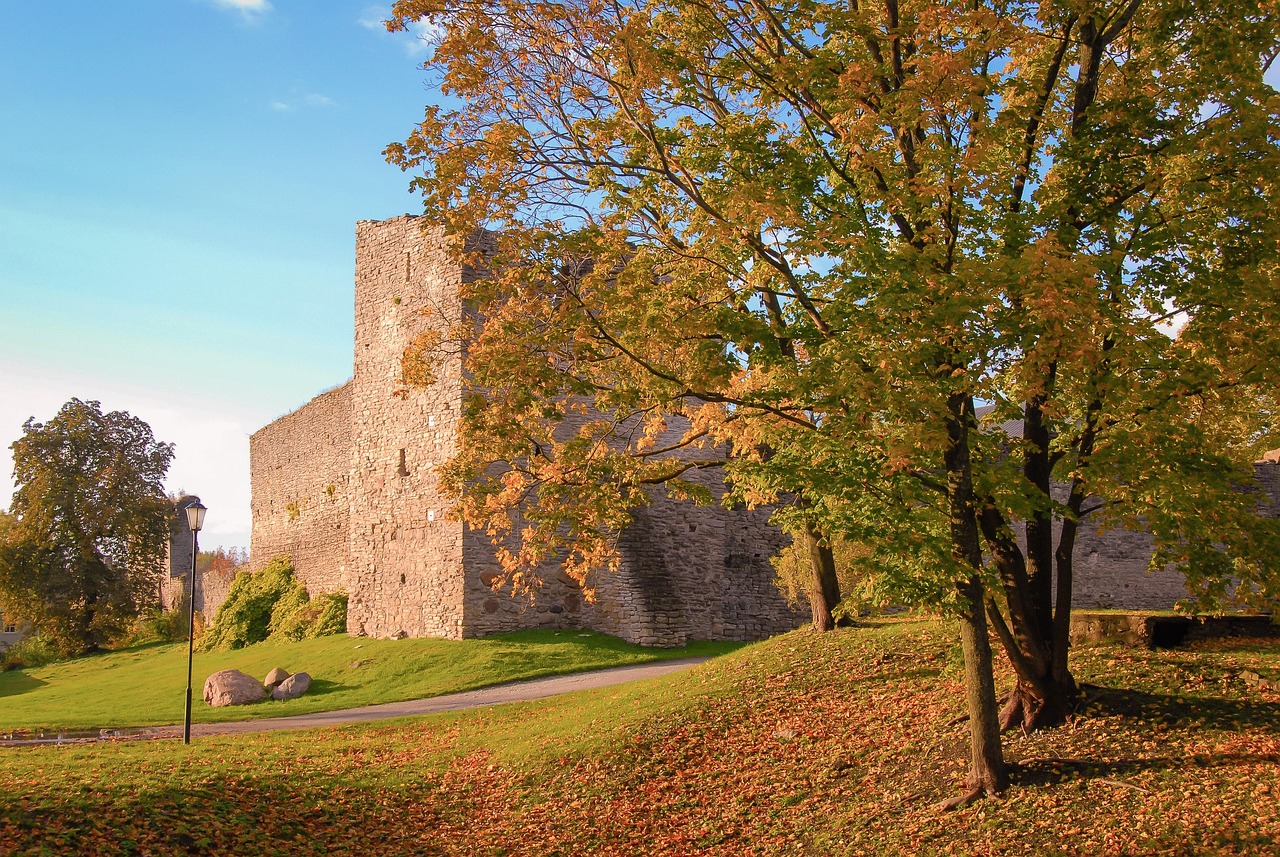
- Kuressaare Episcopal Castle within its moat, the best-preserved medieval castle in the Baltic states, with a museum.
- CampingSpirit overnight tip
-
Official campsite or RV park: Mändjala Camping around 10 km west of Kuressaare in pine forest by the beach, with pitches, electricity and sanitary facilities, open seasonally. In Kuressaare itself, harbour and town sites take campers; check options and service points in Campercontact in advance.
Free camping or nature tip (where legal): On Saaremaa, RMK runs numerous campsites on the coast and in the forest, for example on the Sõrve peninsula. Beaches in Vilsandi National Park and in protected areas: camping only at designated places. Meadows and pastures are mostly private and fenced – only with permission there.
- Insider tip for campers
- Book the Virtsu–Kuivastu ferry early for both the outward and return trips; tickets are linked to the registration number, which is recorded at the port. If you arrive without a booking you wait in the queue, and on Fridays, Sundays and around Midsummer that can take hours. Kuressaare has the island’s largest supermarkets and cheapest filling stations.
6Stage 6: Kuressaare to Kõpu (Hiiumaa) via Panga and the Triigi–Sõru ferry (approx. 130 km)
- The drive
- North across the island to the Panga cliffs on the north coast, then east via Angla to Triigi and on the small ferry (around an hour) to Sõru on Hiiumaa. From there west on quiet roads through pine heath onto the Kõpu peninsula. Around 2 hours of driving time plus the crossing.
- Highlights & must-sees
- Panga pank: limestone cliff around 20 m high, the highest on the island, with a view over the open Baltic.
- Angla windmill hill with post mills and a Dutch windmill, plus Karja church with its stone carvings.
- Kõpu lighthouse: masonry tower on the highest point of Hiiumaa, in operation since the 16th century and open to climb in summer.
- CampingSpirit overnight tip
-
Official campsite or RV park: Hiiumaa mainly has small farm and holiday sites with pitches, many without electricity; on Kassari and around Kärdla there are sites with sanitary facilities. Ask about specific options and season in Campercontact or at the Kärdla tourist office.
Free camping or nature tip (where legal): The Kõpu peninsula and the west coast of Hiiumaa are rich in RMK campsites in dune forest and on the coast, free of charge and without reservation. Firewood is often provided; fires only in the existing fireplaces and not when a forest fire warning is in force.
- Insider tip for campers
- The Triigi–Sõru ferry is small (around 30 cars) and runs only a few times a day – without a booking a place is not guaranteed, and longer motorhomes and car-and-caravan combinations are the first to be squeezed out. Crossings are cancelled in storms; then the only option is the detour via Muhu, Virtsu and Rohuküla. There are only a few filling stations on Hiiumaa, most of them in Kärdla and Käina.
7Stage 7: Kõpu to Haapsalu via Kärdla and the Heltermaa–Rohuküla ferry (approx. 85 km)
- The drive
- Via Ristna and the Hill of Crosses to Kärdla, on to the Heltermaa ferry port, crossing to Rohuküla on the mainland (a good hour) and the last kilometres to Haapsalu. Quiet island roads, around 1.5 hours of driving time plus ferry.
- Highlights & must-sees
- Hill of Crosses (Ristimägi) on the road to Kärdla, where visitors leave home-made wooden crosses.
- Tahkuna lighthouse at the northern tip and wooden Kärdla with its gardens and the Hiiumaa Museum.
- Haapsalu: Episcopal Castle with cathedral, waterfront promenade at Africa Beach and the old railway station with railway museum.
- CampingSpirit overnight tip
-
Official campsite or RV park: Haapsalu has several motorhome stopovers and camping options near the harbour and town; facilities and seasons change, so check current information in Campercontact or park4night. The lanes in the old town are narrow – leave the camper on site and walk.
Free camping or nature tip (where legal): Around Haapsalu, the coast and bays are largely bird sanctuaries (Silma, with Matsalu nearby): observe access rules, as some areas are closed during the breeding season. RMK sites lie further south and on the Noarootsi peninsula.
- Insider tip for campers
- Book the Heltermaa–Rohuküla ferry in advance too, especially on Sundays returning from the island. Check the booking method, timetable and fares before the trip. On Hiiumaa only fill up as much as you need: diesel is usually cheaper on the mainland.
8Stage 8: Haapsalu to Tallinn (approx. 130 km)
- The drive
- Via Ridala and Risti east on road 9, detour to the Padise monastery ruins, then to Keila and to the north coast at the Keila-Joa waterfall; back to Tallinn along the coast road. A good 2 hours of driving time, with increasing city traffic from Keila onwards.
- Highlights & must-sees
- Padise monastery ruins, a fortified Cistercian monastery in green surroundings.
- Keila-Joa waterfall with manor park and suspension bridges over the river.
- In Tallinn: UNESCO-listed old town, viewing platforms on Toompea and the Seaplane Harbour museum (Lennusadam).
- CampingSpirit overnight tip
-
Official campsite or RV park: Pirita marina on Pirita tee, a few kilometres east of the old town, takes motorhomes; check facilities, season and prices beforehand. Campercontact shows further sites on the edge of the city.
Free camping or nature tip (where legal): Free camping in Tallinn is not a good idea: city-centre car parks charge fees, and beach car parks in Pirita and Stroomi are checked. For the last night before the ferry to Helsinki or the journey home, it is better to book a proper site.
- Insider tip for campers
- Tallinn’s parking zones are tiered: the old town is the most expensive, the city centre and southern centre cheaper; you pay by mobile app, SMS or machine. Many multi-storey car parks have height restrictions. Take the bus from the site into the centre – several lines stop on Pirita tee.
Camping practice & local rules
Wild camping & overnight parking
- Right of public access (igaüheõigus): on private land that is neither fenced nor marked, you may stay and spend the night without permission for up to 24 hours, unless the owner forbids it; keep your distance from dwellings, out of sight and earshot. Staying longer and lighting fires only with permission. The right of public access does not cover driving motor vehicles off roads and tracks.
- The state forest agency RMK runs hundreds of camping, campfire and rest sites across the country, often with a long-drop toilet, table, fireplace and firewood. They are free of charge, cannot be reserved and are usually accessible for campers too; access roads are sometimes sandy or narrow. Rules: fires only in the existing fireplaces, take your rubbish away with you, no grey water on the ground, don’t occupy sites for days on end.
- When a high forest fire risk is declared, open fires in the forest are prohibited – including at RMK fireplaces. The current status is shown on the RMK site loodusegakoos.ee and by the weather services.
- In national parks and protected areas (Lahemaa, Soomaa, Vilsandi, Matsalu) the respective protection rules apply: camping and fires only at designated places, and some zones are closed during the breeding season.
- Sleeping in your vehicle in public car parks is not generally prohibited, but camping behaviour is unwelcome or forbidden by signs at many beach and town car parks. Useful apps: the RMK app or the map at loodusegakoos.ee, park4night, Campercontact.
Waste disposal & supplies
- Public service points are rare; most fresh water and disposal facilities are at campsites and harbours, often available to non-guests for a fee. Never empty cassettes or grey water at RMK sites or into long-drop toilets.
- Tap water is drinkable in the towns; well water on farms can taste of iron. RMK sites generally have no drinking water – arrive with a full tank.
- Gas: foreign cylinders are not exchanged. Autogas (LPG, Estonian “autogaas”) is available at a number of filling stations in towns and on main roads, but hardly at all on the islands. Bring refillable cylinders with a suitable adapter set, and arrive with full cylinders.
- Supermarkets (Rimi, Selver, Coop, Maxima) have long opening hours, Sundays included. Card payment is possible practically everywhere; you will hardly need cash.
Vehicle size & traffic rules
- Speed limits: 50 km/h in built-up areas, 90 km/h outside; on signposted sections (such as Tallinn–Tartu and Tallinn–Pärnu) 100 to 110 km/h in summer, and up to 120 km/h on some four-lane stretches. Vehicles over 3.5 t and car-and-trailer combinations are limited to 90 km/h there too. Dipped headlights are compulsory all year round, including during the day.
- Tolls: there is no vignette and no motorway toll for cars and motorhomes. The time-based road usage charge (teekasutustasu) applies to heavy goods vehicles of categories N2 and N3, including foreign ones; according to the Transport Administration, vehicles registered as motorhomes (M1, special purpose) are not covered. If your heavy camper is registered as a lorry, check whether the charge applies and pay online at teetasu.ee before setting off.
- Ferries: book tickets for Virtsu–Kuivastu, Rohuküla–Heltermaa and Triigi–Sõru in advance; fares depend on vehicle length, and the registration number is recorded. The main routes are operated by TS Laevad (booking via praamid.ee), Triigi–Sõru by a different operator – check the booking method and timetables in advance.
- Blood alcohol limit 0.2 ‰; mobile phones at the wheel only with a hands-free kit. Pedestrians must wear a reflector outside built-up areas after dark – including on the walk from your pitch to the beach.
- Winter: winter tyres are compulsory from 1 December to 1 March (extendable depending on the weather), and studded tyres are permitted over a longer period. In autumn and spring, expect ice and storms on the islands; ferry cancellations are possible.
- Wildlife crossings: elk and roe deer cross the road especially at dusk – adjust your speed on the long forest straights. A fire extinguisher, warning triangle, wheel chocks and hi-vis vest belong on board, and a first-aid kit goes without saying.
CampingSpirit packing & preparation checklist
- Printed or offline-saved ferry bookings for all three crossings – mobile coverage on the islands is good, but time slots and registration numbers have to match.
- A large fresh water supply and collapsible water containers: RMK campsites have no drinking water, and disposal stations are far apart.
- Insect repellent, a head net and mosquito screens for windows and door – raised bogs and coastal forests are full of mosquitoes in early summer.
- Sand ladders and a short folding spade: access roads to coastal campsites are often soft sand.
- A gas adapter set for LPG filling stations and two full cylinders, as exchange cylinders are not accepted and LPG is hard to find on the islands.
- Hi-vis vests and reflectors for everyone travelling, compulsory for pedestrians outside built-up areas after dark.
As of 2026-10. Closures, fees and booking rules change: check official sources before you go.