

In-depth guide · CampingSpirit
From Dalt Vila through the hill villages of the north and the Es Vedrà coast to the salt pans and on to the neighbouring island: a good 280 kilometres where reservations, an entry permit and an early start matter more than any beach bar.
The spirit of the route
Ibiza has two faces, and everyone knows the night-time one. The other shows itself at seven in the morning: from your sliding door you look over the whitewashed old town of Dalt Vila to a glassy bay, later at fig and carob trees between dry-stone walls, pine forests above rocky coves in the north, and the sheer silhouette of Es Vedrà against the light. In the salt pans the light turns pink, flamingos wade through the shallow water, and the wind carries salt and pine resin. This island allows motorhomes very little – but it rewards planning: one campsite as a base, short day loops on narrow roads, walking trails to towers and lighthouses. You go to Formentera without the camper, on foot aboard the ferry and with a hire bike, and that is not a stopgap but the better way.
Stage-by-stage plan
1Stage 1: Eivissa ferry port to Es Canar (Santa Eulària des Riu) (approx. 22 km)
- The drive
- The crossing from the mainland (operators such as Baleària serve Ibiza from Barcelona, Valencia and Dénia; Dénia is the shortest connection) is not counted here. From the port of Eivissa you take the ring road around the town and continue north-east towards Santa Eulària: mostly well-built roads, with heavy traffic and many roundabouts in the built-up areas of Eivissa and Santa Eulària. Pure driving time is roughly half an hour to 45 minutes; Dalt Vila and a stroll through town come on top.
- Highlights & must-sees
- Dalt Vila: the walled upper town (UNESCO World Heritage Site) with Portal de ses Taules, the cathedral and fortress ramparts – go on foot and early in the day, with views over the harbour and salt pans from the Baluard de Santa Llúcia.
- Harbour districts Sa Penya and La Marina: narrow lanes below the walls, quiet in the morning.
- Santa Eulària: the Puig de Missa church hill with its fortified church, and below it the promenade and the riverbed of the island’s only river.
- CampingSpirit overnight tip
-
Official campsite or RV park: Camping Cala Nova near Es Canar (on the east of the island, close to the bay of Cala Nova; listed in the map data) and Camping Laplaya Ibiza nearby are the options on the east side. Ibiza has only a handful of campsites that come into question for motorhomes; check opening times, vehicle length and electricity with the site in advance and book firmly in season.
Free camping or nature tip (where legal): For motorhomes, overnighting outside campsites is effectively ruled out: on Ibiza, staying overnight in car parks and on rural land is prosecuted, with very high fines. Municipal car parks allow campervans only limited stays.
- Insider tip for campers
- Do not drive the camper into Dalt Vila: access is restricted and monitored by cameras, and the lanes are narrow and cobbled. Park the vehicle only briefly outside (mind the height limits in car parks) or go to the campsite first and take a bus or taxi into town from there.
2Stage 2: Es Canar to Es Canar (northern loop via Sant Joan and Portinatx) (approx. 70 km)
- The drive
- Day loop clockwise: Es Canar – Sant Carles de Peralta – Sant Joan de Labritja – Portinatx, and back along coastal roads (Cala Xarraca, Port de Sant Miquel, Cala Sant Vicent). Narrow, winding roads between dry-stone walls, few crash barriers, and oncoming traffic is common at the coves. Allow about three hours of pure driving time and plan a whole day.
- Highlights & must-sees
- Sant Carles de Peralta with its church and the Las Dalias hippie market (Saturdays, depending on season).
- Cova de Can Marçà near Port de Sant Miquel: a stalactite cave with guided tours; check times in advance.
- Portinatx and the coastal paths to the Far de Moscarter lighthouse: quiet coves, a walk through pine forest.
- CampingSpirit overnight tip
-
Official campsite or RV park: There is no site designated for motorhomes in the north; you drive back in the evening to the campsite at Es Canar. That keeps the loop short and legally unproblematic.
Free camping or nature tip (where legal): Large parts of the north are under nature and coastal protection (Ley de Costas); the car parks at the coves are day-use car parks. Anyone who stays there overnight risks a report under Balearic land law (Suelo Rústico).
- Insider tip for campers
- Set off before 9 am and visit the coves from north to south: the car parks at Portinatx and Cala Xarraca fill up early in summer, and turning round with longer vehicles is tight there. Slow down on the village streets of Sant Joan – cyclists and scooters often come out of side tracks.
3Stage 3: Es Canar to Sant Antoni de Portmany (approx. 40 km)
- The drive
- From the east coast via Santa Eulària and Santa Gertrudis through the island’s interior, then towards Sant Rafael and Sant Antoni. Well-built, partly four-lane on the main routes, with quiet country roads inland. Pure driving time is about an hour; stops and the narrow detours to the coast lengthen the day considerably.
- Highlights & must-sees
- Santa Gertrudis de Fruitera: a village square with a church, galleries and small bars in the island’s interior.
- Cala Salada and Cala Saladeta: a bay in pine forest, reached on foot from above.
- Sant Mateu d’Albarca: hill country with vineyards and almond trees, a quiet drive away from the coast.
- CampingSpirit overnight tip
-
Official campsite or RV park: Camping San Antonio (near Sant Antoni) and Camping Cala Bassa (on the bay of Cala Bassa) are the two western sites in the map data; we found no confirming statement from the operator on status, season or suitability for motorhomes. Cala Bassa is closer to the coves and further from Sant Antoni’s party strip; ask both in advance about motorhome pitches, electricity and opening times.
Free camping or nature tip (where legal): Sant Antoni is at the centre of the debate about motorhomes: a large share of the reports for sleeping in vehicles were recorded there in recent years. Park only by day in permitted places and sleep exclusively on the campsite.
- Insider tip for campers
- The coastal strip of Sant Antoni is loud and busy, especially in the evening. If you want a quiet pitch, book Cala Bassa and drive into town only to shop. It is better to get groceries and gas in Santa Eulària or on the main road than in the coastal resorts.
4Stage 4: Sant Antoni de Portmany to Cala Jondal (Sant Josep de sa Talaia) (approx. 32 km)
- The drive
- Via Sant Josep de sa Talaia into the south-west: first a main road, then narrow side roads towards Cala d’Hort and Torre des Savinar, later back to Sant Josep and to the south coast at Cala Jondal. The spur road to Cala d’Hort is narrow, winding and in places without passing places. About 1.5 hours of driving time, half a day for the viewpoints.
- Highlights & must-sees
- Es Vedrà: the 382-metre rock off the coast; best views from the Torre des Savinar and from the viewpoint above Cala d’Hort, loveliest at sunset.
- Sa Talaia (475 m): the island’s highest point, a trail through pine forest with a panorama as far as Formentera.
- Es Cubells: a church at the cliff edge with a view of the south-west coast.
- CampingSpirit overnight tip
-
Official campsite or RV park: Campament Cala Jondal on the south coast is only listed in the map data; we could not confirm its status, season or whether motorhomes may stay there. Cala Jondal itself is a stretch of beach with beach clubs. Do not count on this site; if in doubt, drive back to one of the other campsites.
Free camping or nature tip (where legal): Around Es Vedrà and Cala d’Hort there are protected areas and land-use zones. Motorhomes may park there at most by day; access to Cala d’Hort can be restricted in season (check the current rules in advance with the municipality of Sant Josep), parking is scarce, and overnight stays are checked.
- Insider tip for campers
- Plan the Es Vedrà visit for late afternoon, and if it gets tight come to the viewpoint without the camper: by taxi or hire car from Sant Josep it is less stressful than with a 7-metre vehicle. Take water – there is no shade and no kiosk up there.
5Stage 5: Cala Jondal to Es Canar (via Ses Salines and Eivissa) (approx. 44 km)
- The drive
- From Cala Jondal via Sant Jordi de ses Salines to the salt pans and to Platja de ses Salines, then towards Eivissa and back east on the ring road. Flat, open terrain, but the roads in the salt-pan area are narrow and often covered in drifting sand. About 1.5 hours of driving time.
- Highlights & must-sees
- Parc Natural de ses Salines d’Eivissa i Formentera: salt basins with salt mounds and flamingos, with especially many birds in late autumn and winter.
- Torre de sa Sal Rossa and Torre de ses Portes: watchtowers at the edge of the salt pans with views of the coast.
- Sant Jordi de ses Salines: a fortified-style village church at the edge of the salt-pan plain.
- CampingSpirit overnight tip
-
Official campsite or RV park: Back at Camping Cala Nova or Camping Laplaya on the edge of Es Canar; extend the reservation if needed. No further site is needed for this stage.
Free camping or nature tip (where legal): The park area of the salt pans and the dunes are protected. Motorhomes may only stay in the designated car parks; overnighting, barbecues and fires are prohibited; the coastal law applies on the beach too.
- Insider tip for campers
- The salt pans are loveliest early and late in the day – at midday the sun beats down on the white ground, and in summer it is less pleasant there because of the heat and the crowds. Do not park on sand: motorhomes sink quickly, and towing is expensive.
6Stage 6: Es Canar to Formentera (La Savina) and back (approx. 55 km)
- The drive
- About 17 kilometres from Es Canar to the port of Eivissa, from where you continue without the camper: fast ferry to La Savina (roughly half an hour to 45 minutes depending on the operator) and by hire bike across the flat island (roughly a 40-kilometre loop via Sant Francesc Xavier, Cap de Barbaria, El Pilar de la Mola and Ses Illetes). Formentera has cycle paths and farm tracks; the climbs up to La Mola are short but noticeable.
- Highlights & must-sees
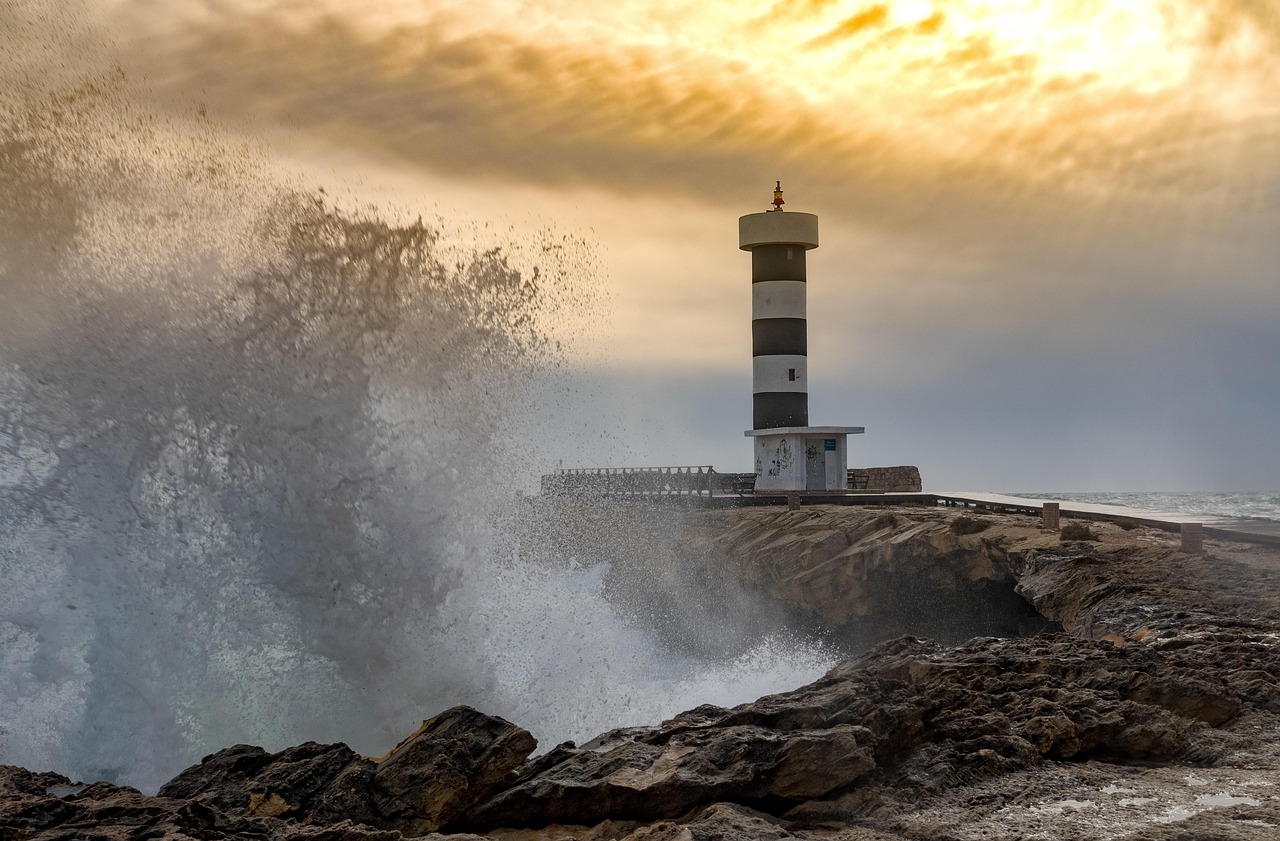
- Cap de Barbaria: a lighthouse in the south on the edge of the rocky plateaus, wide open space and silence.
- Far de la Mola and El Pilar de la Mola: the lighthouse at the eastern end, a village with a church and craft market, views over the steep coast.
- Ses Illetes and Platja de Migjorn: beaches with clear water, quietest early in the day.
- CampingSpirit overnight tip
-
Official campsite or RV park: To our knowledge there is no campsite and no motorhome pitch on Formentera; camping and sleeping in a vehicle are not permitted there. The camper stays on Ibiza (see below), and after you return you sleep at the campsite in Es Canar again.
Free camping or nature tip (where legal): Every year the island council of Formentera restricts access for motor vehicles in summer by resolution (most recently June to September). Motorhomes and caravans are expressly not exempt from this; there is no exception for them. Outside the restricted period, according to the information available to us, there is no access ban, but the period and details change from year to year and are published via the Formentera Eco portal – check before booking. Wild overnighting is prohibited on Formentera in all cases.
- Insider tip for campers
- This is why visiting without a vehicle is better: you save the vehicle fee and the ferry space for the camper, and avoid access bans. Reserve your return trip and hire bike, and watch the last ferry in the evening so you do not get stranded on the island. Leave the camper on Ibiza only where the operator allows it – municipal car parks limit the duration, and a pitch on the campsite is safer.
7Stage 7: Es Canar to Eivissa ferry port (departure) (approx. 17 km)
- The drive
- A short drive back via Santa Eulària to the port of Eivissa. Because of checks, queues and loading, allow plenty of lead time in line with your shipping company’s requirements; in the port area, watch for height limits at car parks and for one-way systems.
- Highlights & must-sees
- A last walk along the harbour promenade with a view of Dalt Vila.
- Salt from the Ses Salines salt pans as a souvenir, in shops in Eivissa and Sant Jordi.
- The harbour mole with a view of Dalt Vila: ferries and sailing boats in the evening light.
- CampingSpirit overnight tip
-
Official campsite or RV park: If you take the night ferry, you can extend by one last day at the campsite. The site at Es Canar is about 17 kilometres from the port.
Free camping or nature tip (where legal): The same applies at the port and in town: no overnighting in the vehicle outside campsites. The waiting areas at the port are intended only for loading.
- Insider tip for campers
- Take care of gas, water and waste disposal at the campsite before you leave. When booking the ferry, state the vehicle’s height and length exactly; on ferries, gas cylinders generally have to be closed, and some operators require a gas declaration.
Camping practice & local rules
Wild camping & overnight parking
- Basic Spanish principle: sleeping in a legally parked vehicle is allowed, but camping with anything that goes beyond the outline of the vehicle is not. Since 1 October 2026, Real Decreto 518/2026 (new Art. 92.4 of the Reglamento General de Circulación) expressly regulates when a motorhome is correctly parked: no parts extending beyond the vehicle outline, support only on the tyres (levelling wedges allowed), no draining of liquids. Municipalities may still regulate parking times, zones and maximum duration, but according to the DGT may not penalise solely because of the vehicle type; rules for protected areas and coasts apply independently of this.
- On Ibiza the situation is considerably stricter than in the rest of Spain: under Balearic law (Ley 5/2024 on vehicle limitation, plus the land law Ley del Suelo Rústico), sleeping in motorhomes, vans and caravans on land outside campsites is prohibited and counts as a very serious administrative offence with very high fines; the island council and the municipal police are responsible. In the summer window (so far June to September; check with the island council every year), campers must also show a reservation at an approved campsite.
- According to press reports, the island has only a handful of campsites and no designated motorhome pitches; in summer they are often fully booked. Have all information on sites confirmed by the operator in advance and book far ahead for high season.
- Protected areas on this route: Parc Natural de ses Salines d’Eivissa i Formentera, Es Vedrà and Es Vedranell, and the coastal and mountain zones in the north and south-west. There, car parks are day-use car parks; overnighting, barbecues and fires are taboo, and parking on the beach in the dune area is usually prohibited.
- On Formentera, motorhomes and caravans are not admitted in summer under the island council’s resolution, and camping is not allowed there. Leave the vehicle on Ibiza.
- Apps: park4night, Campercontact and Caramaps help with campsites, but the information on free pitches should be read with caution on the Pityusic Islands, because entries can be out of date and pitch tips often contravene the bans in force.
Waste disposal & supplies
- Services and waste disposal are practically only available on campsites; public disposal stations are rare on the Pityusic Islands. Empty grey water and the chemical toilet only where the operator allows it – draining onto roads or into the countryside is expressly prohibited.
- Tap water on the Pityusic Islands is not recommended for drinking everywhere; use drinking water from the campsite or bottled water, and plan on a 10–20-litre canister with a tap.
- Gas: Spanish cylinders (Repsol, Cepsa) have their own connections; German exchange cylinders are not swapped. Campingaz cylinders are widespread. Permanently installed tank cylinders can only be filled at LPG (autogas) stations, of which there are probably only a few on Ibiza – research in advance. Arrive with full cylinders.
- Shop in Santa Eulària, Eivissa or Sant Antoni; in small places the selection is limited and sometimes reduced in winter.
Vehicle size & traffic rules
- Entry in summer: for vehicles not registered on Ibiza, the island council regulates entry in the summer window (so far June to September; window and cap are set anew every year) via the Ibiza Circular portal; for motorhomes and vans, documents have to be submitted there, and according to press reports a campsite reservation is required as proof. The law Ley 5/2024 limits the number of visiting vehicles per day, and campers count. Have the exact requirements confirmed with the island council or shipping company before booking the ferry.
- Formentera: access restriction in summer via the Consell de Formentera (Formentera Eco portal). Under the official resolution, motorhomes and caravans are expressly not exempt from the restriction; the period, fees and exceptions are set anew every year, so check with the island council before booking.
- Speed limits (Spain): 50 km/h in built-up areas, usually 30 km/h on roads with only one lane in each direction; 90 km/h on country roads, with lower limits for motorhomes over 3.5 t and for combinations (heed signs and vehicle class); 120 km/h on motorways and expressways. Narrow roads dominate on Ibiza, where you will usually drive considerably slower.
- There are no tolls on Ibiza and Formentera. A low-emission zone (ZBE) is planned for Eivissa; we could not confirm whether and where it currently applies – ask the town or the campsite.
- Dimensions: roads are narrow in many places, village streets tight and car parks mostly low; for campers over 3 m in height and 7 m in length the route gets tight in places. A high-visibility vest and two warning triangles are compulsory; in Spain the connected V16 warning light is added, required since 2026 – clarify in advance whether it is binding for foreign vehicles; to be safe, carry it as well.
- Alcohol limit 0.5 per mille (0.25 mg/l in exhaled air), lower for novice drivers; using a phone while driving without a hands-free kit is prohibited. Bikes on a rear carrier must not cover the number plate and rear lights.
- If you are adding Mallorca, you will find the rules there in the CampingSpirit travel guide around Mallorca.
CampingSpirit packing & preparation checklist
- Water canister (10–20 litres) with a tap: public water points are scarce, and the tap water is often not suitable for drinking.
- Heat-shield mats or insulating foil for the windscreen and roof windows: in summer the body heats up quickly, and the awning stays folded because of the camping ban.
- Fly screens for the sliding door and roof vent: mosquitoes at the salt pans and in the coves.
- Water shoes or sturdy sandals: rocky coves with sea urchins, sharp stones on the coastal paths.
- Printout or offline copy of the ferry booking, campsite reservation and entry permit: reception is poor on some stretches of coast.
- An extra bike lock and a folding or hire bike for Dalt Vila and Formentera: narrow lanes and parking bans make the bike the best means of transport.
As of 2026-10. Closures, fees and booking rules change: check official sources before you go.