
In-depth guide · CampingSpirit
From Douglas via Peel, Niarbyl and Port Erin to Castletown, Laxey, Ramsey and the Point of Ayre, then back over the Snaefell Mountain Road: about 245 kilometres on an island you can cross in an hour and still not finish in a week.
The spirit of the route
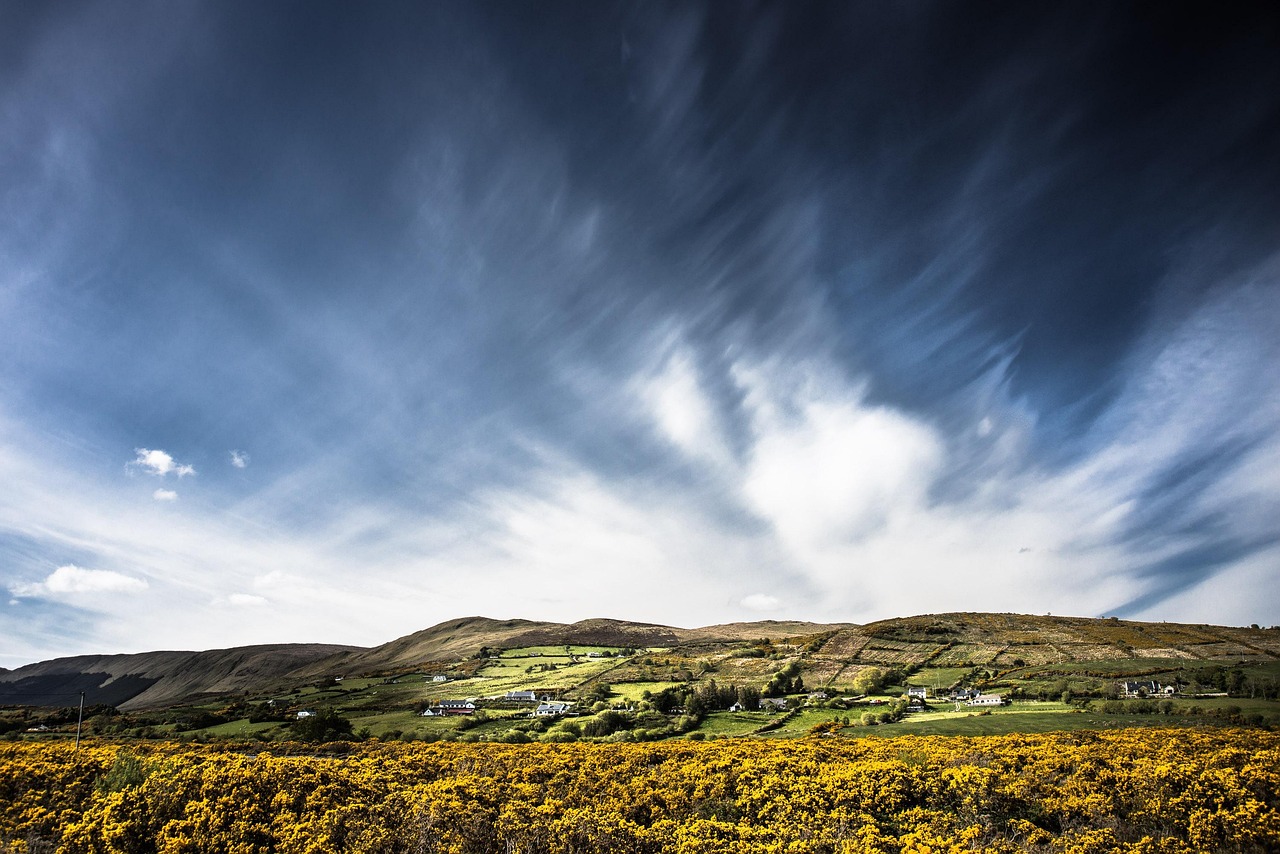
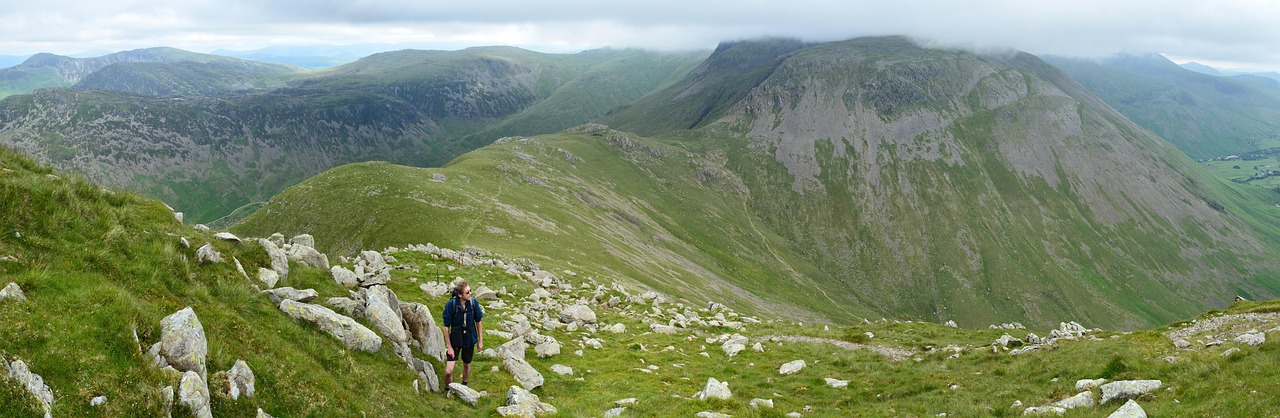
The Isle of Man is a piece of the Irish Sea that belongs to neither England nor Ireland – and you notice it the moment you slide open the door. Hedges and stone walls frame narrow roads, with sheep pastures and heather beyond. The hills end in sea cliffs, and in the glens streams rush through bracken. Along the coast a Victorian narrow-gauge steam railway puffs along, in Laxey the largest waterwheel in the world turns, and on the Mountain Road, which becomes a closed racing circuit during race weeks (TT and Manx Grand Prix), you drive in first gear past the bends that motorcyclists all over the world know by name. The island is small enough to wake up somewhere different every day, and old enough to leave you standing beneath Viking crosses and castle walls. Anyone who arrives here greets the little people at the Fairy Bridge – and finds that Manx humour is almost as dry as the weather is rarely.
Stage-by-stage plan
1Stage 1: Heysham or Liverpool (ferry) to Peel (approx. 25 km)
- The drive
- According to the operator, the Steam Packet Company crossing from Heysham takes just under four hours (3 h 45 min); from Liverpool it takes somewhat less to about the same, depending on the ship and timetable. Timetables and ports change with the season. From Douglas harbour, follow the promenade onto the A1 heading west, which here forms part of the historic racing circuit: Braddan, Union Mills, Crosby, then the junction with the A3 at St John’s and on to Peel. The main road is well built but runs through several villages; Douglas to Peel is just under 20 kilometres, roughly 30 to 40 minutes of pure driving time.
- Highlights & must-sees
- Douglas: the promenade with its horse trams (in season only), the Manx Museum run by Manx National Heritage and the Tower of Refuge on the reef in the bay.
- St John’s: Tynwald Hill, the stepped mound where the island’s parliament meets outdoors every year.
- Peel: the castle ruins on St Patrick’s Isle, plus the House of Manannan with its museum on Celts, Vikings and seafaring.
- CampingSpirit overnight tip
-
Official campsite or RV park: Campsites on the island are listed in the Visit Isle of Man directory under “Camping and Glamping” and “Motorhomes”. In Peel you will find Peel Camping Park on Derby Road (according to the directory, open from Easter to the end of September, with electric hook-ups for motorhomes; it books up quickly during race weeks). Open all year, according to Visit Isle of Man, is Ballacallin Court Motorhome Park near Gordon (Patrick parish), about three kilometres from Peel, with room for up to five motorhomes, electricity, water and waste disposal. Have the operator confirm the season and availability before you travel, and book the first night in advance.
Free camping or nature tip (where legal): We found no general right to camp outside campsites on the island. According to the information we found, motorhomes are subject to a parking restriction: vehicles over 3,050 kg unladen weight may not be parked on roads with a speed limit at night (6 pm to 7 am) or at weekends; lighter ones count as cars. Overnighting on promenades and public car parks may also be prohibited by signs. In Douglas many car parks have height barriers. On private land, camping is only possible with the landowner’s permission.
- Insider tip for campers
- Book the ferry in good time and give the exact length and height of your vehicle (including roof box, bike rack and satellite dish): according to the operator, campervans up to 7.5 m long can be booked online, while larger vehicles can only be booked through reservations; height and weight limits apply mainly during TT time on the Liverpool route. Declare gas cylinders at check-in and follow the operator’s rules on gas installations. If you are bringing a caravan outfit, you need a permit in advance from the island’s transport ministry (Department of Infrastructure). Fill up in Douglas before setting off: prices differ from England, and petrol stations are rarer outside Douglas and Ramsey.
2Stage 2: Peel to Port Erin (approx. 30 km)
- The drive
- From Peel, take the A27 south via Glen Maye and Dalby, always within sight of the west coast. At the turn-off for Niarbyl the road becomes narrow and the turning space tight; with longer vehicles it is worth walking in from the edge of the main road. Then continue via Round Table and Bradda to Port Erin. Winding and hilly, with a few places where there is no room to pass. Allow a good two hours with stops.
- Highlights & must-sees
- Glen Maye: a waterfall in a wooded side valley, reached by a short footpath from the main road.
- Niarbyl: a shingle cove with a view of the island’s south-western tip and an old thatched cottage by the water.
- Bradda Head with Milner’s Tower above Port Erin; the path up from the village takes about an hour there and back.
- CampingSpirit overnight tip
-
Official campsite or RV park: Around Port Erin, guesthouses and small sites offer pitches; the Visit Isle of Man directory is sorted by parish. We could not confirm a site in the town itself, and a glamping offer (Reayrt Vradda) is not a motorhome pitch. Ask about length and season in advance.
Free camping or nature tip (where legal): At the Niarbyl car park and in the coves near Dalby, sleeping in your vehicle is not welcome; residents and landowners react quickly to complaints. Take signs on coastal access roads seriously.
- Insider tip for campers
- The coast road is especially busy at weekends because cyclists and motorcyclists are out in force: drive before 10 am or after 4 pm. Fill up with water in Peel; there are few public disposal points on the southern tip.
3Stage 3: Port Erin to Castletown (approx. 30 km)
- The drive
- From Port Erin to Cregneash and on to the Calf Sound at the southern tip, where the narrow road ends in a small car park. Back to Port St Mary, then on to Castletown. The road to Cregneash is steep and narrow; oncoming traffic is rare but possible. Just over 50 minutes of driving time without stops; with Cregneash and the Calf Sound, allow half a day.
- Highlights & must-sees
- Cregneash: a living museum village run by Manx National Heritage, with thatched cottages, Manx Loaghtan sheep and a smithy.
- Calf Sound and the Calf of Man: the islet off the southern tip is a bird sanctuary; boat crossings run in season only and depend on the weather, so ask the operator in advance.
- Castletown: Castle Rushen, the medieval fortress by the harbour, next to the Old Grammar School and the Nautical Museum.
- CampingSpirit overnight tip
-
Official campsite or RV park: At the southern end there are several small sites, which you will find in the Visit Isle of Man directory under “Motorhomes”; we could not confirm any of them individually. As a fallback, use the site near Peel (stage 1) or a site near Douglas (stage 7). Book early for high-season weekends and race weeks.
Free camping or nature tip (where legal): The car park in Cregneash and the cove at Calf Sound are for day use; sleeping in your vehicle is not tolerated. The harbour promenades in Castletown and Port St Mary are not pitches either.
- Insider tip for campers
- The Isle of Man Steam Railway runs in season from Douglas via Castletown to Port Erin and is a comfortable alternative if you want to leave the motorhome parked for a day; check operating days in advance.
4Stage 4: Castletown to Laxey (approx. 35 km)
- The drive
- From Castletown to Ballasalla, where the ruins of Rushen Abbey lie, then on towards Douglas. The Fairy Bridge near Santon (on the road to Douglas) belongs on your route; this is where you greet the fairies. Through Douglas, follow the coast road A2 north to Laxey; in a motorhome the drive through town is slow at rush hour. Around 55 minutes of pure driving time.
- Highlights & must-sees
- Ballasalla: Rushen Abbey, a former Cistercian monastery on the Silverburn.
- Laxey: the Laxey Wheel (Lady Isabella), built in 1854 as a pumping wheel for the mine, around 22 metres in diameter, the largest working waterwheel in the world.
- Snaefell Mountain Railway from Laxey: an electric railway up the island’s highest mountain (Snaefell, 621 m).
- CampingSpirit overnight tip
-
Official campsite or RV park: There is a campsite in Laxey (Laxey Campsite; according to directories open roughly April to October, with electric hook-up); we could not confirm whether motorhomes are allowed there – ask in advance. Alternatively, stay at a site on the west side and visit Laxey as a day trip. Ask about length restrictions and access in advance.
Free camping or nature tip (where legal): At Laxey Glen and at the Wheel there are visitor car parks for day guests; overnighting in your vehicle is not intended there. The A2 coast road has many lay-bys, where camping is likewise unwelcome.
- Insider tip for campers
- The Manx Electric Railway runs in season (roughly March to early November) from Douglas (Derby Castle) via Laxey to Ramsey; a separate line also runs from Laxey to Snaefell. For this stage, leave the motorhome parked in Laxey and take the train into the hills – check the timetable and operating days in advance, as weather and maintenance cause cancellations.
5Stage 5: Laxey to Ramsey (approx. 30 km)
- The drive
- The A2 follows the east coast: beyond Laxey via Dhoon Glen and Ballajora, then a turn-off to Maughold Head before the road leads on to Ramsey. In places narrow and lined with hedges, with ups and downs in the glens. Pure driving time is about 40 minutes.
- Highlights & must-sees
- Maughold: a church with a collection of early Viking-age crosses in the churchyard and in the museum, plus Maughold Head lighthouse.
- Dhoon Glen: a wooded ravine with a walking trail to the beach, an easy circular walk.
- Ramsey: Mooragh Park, the harbour and the Albert Tower, with views across the northern plain.
- CampingSpirit overnight tip
-
Official campsite or RV park: For Ramsey itself we could not confirm a site. Nearby are Sulby River Farm Campsite near Sulby (according to the directory roughly April to September, electricity) and Glen Wyllin Campsite near Kirk Michael, a good 20 minutes’ drive west. According to Visit Isle of Man, Glen Wyllin offers motorhome pitches with and without electricity, waste disposal and fresh water, and is open from about April to September; ask in advance whether the pitches are big enough for long vehicles.
Free camping or nature tip (where legal): Car parks on the Ramsey promenade and at the entrances to the glens are for the day. Camping in your vehicle overnight is not allowed there and is pursued after complaints.
- Insider tip for campers
- In Ramsey, the Grove Museum of Victorian Life (Manx National Heritage) is worth a visit. Park the motorhome outside the centre and go on foot: the streets are narrow, and many car parks have height limits.
6Stage 6: Ramsey to Kirk Michael (approx. 45 km)
- The drive
- From Ramsey north towards Bride, then via Andreas to the Point of Ayre with its lighthouse. The northern plain is flat and wide, the roads straight with cattle grids and hedges. Back via Jurby and the coast road south to Kirk Michael; parts of the coast road run along the sea. A good 70 minutes of pure driving time.
- Highlights & must-sees
- Point of Ayre: the island’s northernmost point, with two lighthouses, a shingle beach and the nature reserve The Ayres (heath, seabirds, seals).
- Andreas and Bride: churches with Viking crosses in the churchyard.
- Ballaugh Curraghs: wetland with willows and birdlife, best in early summer.
- CampingSpirit overnight tip
-
Official campsite or RV park: Glen Wyllin Campsite near Kirk Michael (in one of the Manx National Glens on the coast): according to Visit Isle of Man open from about 1 April to 30 September, with motorhome pitches with and without electricity, a disposal point for chemical toilets and waste water, drinking water and gas cylinder exchange (Calor/Camping Gaz). Cronk Aashen Campsite at Barregarrow (Kirk Michael) is said to be open all year, and in the north Silly Moos Campsite at Andreas (roughly mid-May to early September); check opening times and pitch length in each case.
Free camping or nature tip (where legal): In the nature reserve The Ayres, parking at the visitor centre is possible, but sleeping in your vehicle is unwelcome in the protected area. Avoid fires and observe the bird breeding-season rules.
- Insider tip for campers
- The weather in the north turns quickly, and the flat coast offers no shelter from the wind: in a storm, park with the rear to the wind and avoid exposed coastal car parks. Barbecue only on the campsite.
7Stage 7: Kirk Michael to Douglas (approx. 50 km)
- The drive
- On the A3 via Ballaugh Bridge and Sulby to Ramsey, then up the Snaefell Mountain Road on the A18: Ramsey Hairpin, Gooseneck, Mountain Mile, Bungalow, Brandywell, Creg-ny-Baa and down to Douglas. The mountain road crosses the Snaefell railway and runs over open upland. For the races (TT and Manx Grand Prix) the route is closed, and at practice times it is partly one-way from Ramsey to Douglas; check closure times in advance. A good 90 minutes of pure driving time.
- Highlights & must-sees
- Ballaugh Bridge: the humpback bridge, known from the races, a popular photo spot.
- Snaefell: a stop at the Bungalow and, if the weather plays along, on a clear day a view across the Irish Sea; locals count seven “kingdoms” from the summit.
- Governor’s Bridge and the grandstand on Glencrutchery Road in Douglas, the start and finish of the races.
- CampingSpirit overnight tip
-
Official campsite or RV park: It is best to spend the last night before the ferry near Douglas. At Union Mills, a good five kilometres west on the A1, lies Glenlough Campsite (according to the directory roughly late March to mid-October, electric hook-up, waste disposal); we could not confirm whether it takes motorhomes. Do not plan a late arrival because of ferry check-in.
Free camping or nature tip (where legal): The Mountain Road has lay-bys where overnighting is not intended. Sleeping in your vehicle is not intended there.
- Insider tip for campers
- Drive the Mountain Road downhill in a low gear: in places it is narrow and exposed to the wind. The day before, check whether the road is closed because of fog, races or railway works; a detour via the coast road costs time.
Camping practice & local rules
Wild camping & overnight parking
- As far as we know, there is no general right to roam and camp on the Isle of Man. Tenting and camping in a vehicle generally require the landowner’s permission; overnighting in public car parks, on promenades and at roadsides may be prohibited by signs. In addition, according to press reports, motorhomes over 3,050 kg unladen weight face a parking restriction on roads with a speed limit (at night 6 pm to 7 am and at weekends); lighter vehicles count as cars. The rules are set by the island itself, not by England – check the current situation before your trip with Visit Isle of Man and the island’s government.
- Visit Isle of Man has its own section for motorhomes; motorhomes are welcome all year round. Useful apps and portals: park4night, Campercontact and the Pitchup search function. High season, race weeks and holidays fill the sites, so book ahead.
- Nature reserves and visitor centres (Calf of Man, The Ayres, glens): stay on the paths, keep dogs on a lead, observe breeding seasons. Fires only in designated fire pits.
Waste disposal & supplies
- Chemical toilet and grey water are generally emptied at campsites. Public points are rare and not usable everywhere; ask at the site. Tap water is considered good to drink. Fill up with fresh water at campsites.
- Gas: British cylinders and connections differ from those on the continent. Bring a changeover regulator and adapters or travel with Campingaz cylinders; exchanging foreign cylinders is not reliable. Gas cylinders must be declared on the ferry.
- Electricity: sites use British plugs and blue CEE connections (16 A, 230 V); an adapter for the sockets in the washroom is worthwhile. Mobile: the island has its own network operators, so check roaming terms in advance. You can pay in pounds sterling; spend your Manx notes and coins before leaving: they are not accepted everywhere on the British mainland.
Vehicle size & traffic rules
- Entry: the Isle of Man is not part of Great Britain or the EU, but it is part of the Common Travel Area. EU citizens who first enter Great Britain or Ireland need the ETA (electronic travel authorisation) for it; the island has also required it since 2026 and mutually recognises ETAs from Great Britain, Jersey and Guernsey. There are no routine border checks between Great Britain and the island. The ETA is tied to your passport: carry your passport. Check the fee, validity and application route in advance on the island government’s and the operator’s websites. Keep your vehicle registration document, proof of insurance and Green Card to hand; have your insurer expressly confirm cover on the Isle of Man.
- Customs and pets: rules apply to bringing in meat and milk, which you should check in advance. Dogs and cats need a microchip and rabies vaccination; the Isle of Man sets its own requirements – clarify these in advance with the island’s responsible ministry (DEFA) and the operator.
- Driving on the left: go clockwise at roundabouts, switch your dipped headlights for left-hand traffic or mask them, and fit extra mirrors. Many roads are narrow with hedges and stone walls. When passing on narrow roads, whoever has the passing place on their side holds back.
- Speed limits in mph: in built-up areas the limit is usually 30 or 20 mph. Outside built-up areas the island often has no fixed speed limit, including on parts of the Mountain Road; restrictions may apply there at times. A motorhome should not take that as an invitation: drive to suit the bends, the wind and oncoming traffic. We could not confirm different limits for motorhomes and outfits, as in Great Britain, for the island; the signs decide.
- Alcohol and mobile phone: according to media reports the drink-drive limit is 80 mg per 100 ml of blood (35 µg in breath); best is zero. Using a mobile phone at the wheel is prohibited.
- Dimensions and outfits: roads and car parks are signed in feet, inches and metres; there are height barriers in Douglas and in the harbour towns. Give the exact dimensions to the ferry. Caravans need a permit from the island’s government, which you apply for at least two weeks before booking; the requirements are a return journey within twelve weeks and an approved campsite. We found no tolls or low-emission zones on the island. During race weeks (TT, Manx Grand Prix) parts of the racing circuit are closed and ferry capacity is tight – book early.
CampingSpirit packing & preparation checklist
- Tape measure and the exact vehicle dimensions on paper: length with bike rack, height with roof light and aerial. The ferry price and classification depend on them.
- Changeover regulator and gas adapter for British cylinders, plus a spare cylinder: exchanging on the island is not certain.
- Headlight masking or conversion kit, plus extra mirrors for driving on the left.
- Rain jacket, waterproof trousers and gaiters: fog and showers arrive quickly on the uplands and in the glens.
- Binoculars: seabirds, seals and chough (Alpine crow) at the southern tip and at the Calf Sound.
- Walking boots for sections of the Raad ny Foillan, the coastal footpath around the island.
As of 2026-10. Closures, fees and booking rules change: check official sources before you go.