



In-depth guide · CampingSpirit
From the Passo del Bracco through the organic valley of the Vara, via Fosdinovo, Fivizzano and Bagnone to Pontremoli and over the Cisa Pass to Berceto: around 290 kilometres through the green hinterland of the Cinque Terre, with the Via Francigena pilgrim road crossing your path again and again.
The spirit of the route
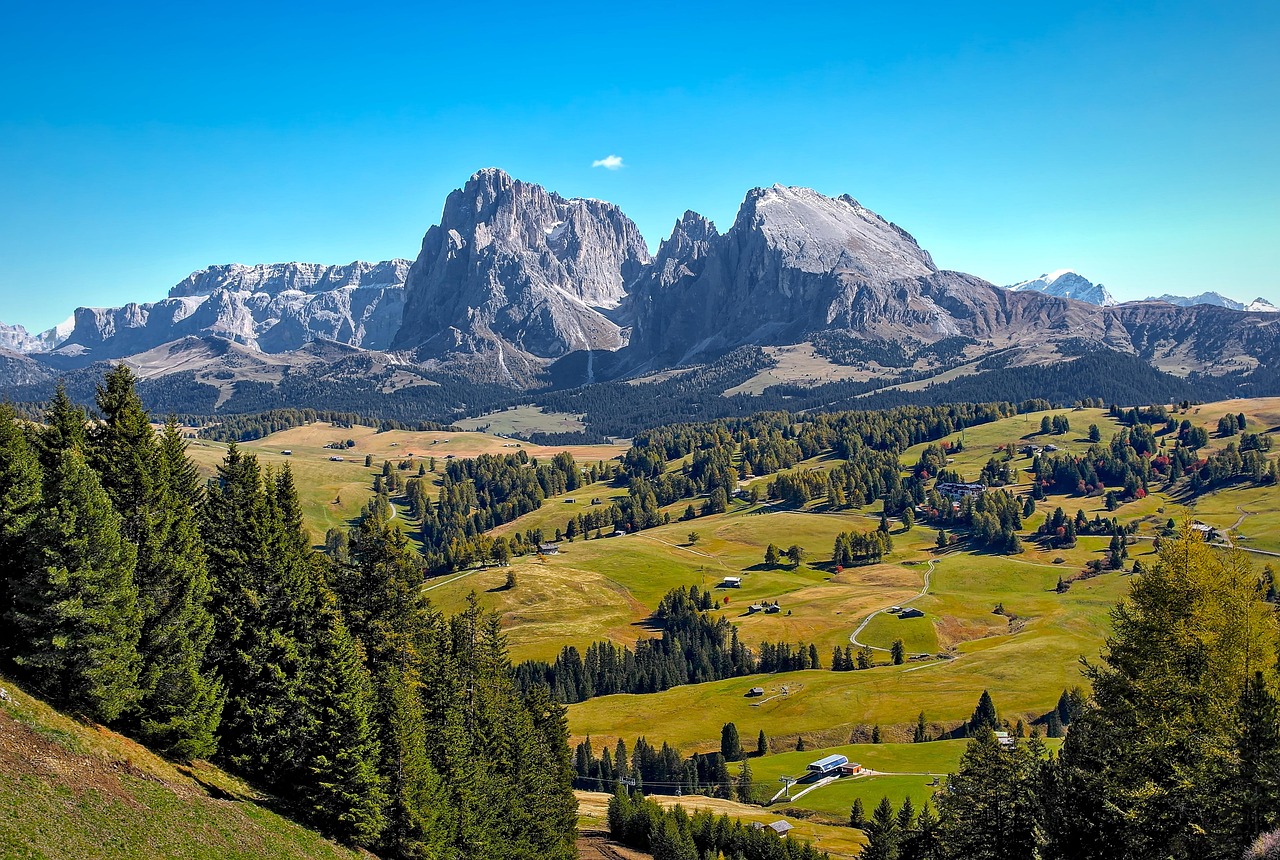
Twenty kilometres as the crow flies from the Cinque Terre, postcard Liguria ends and the Apennines begin. Beyond the Passo del Bracco the Vara flows through chestnut and oak forests, terraces of olives and vegetables cling to the slopes, and in Varese Ligure a medieval market square lies as round as an amphitheatre. In Lunigiana a Malaspina castle keeps watch on almost every second hill, with parish churches in between that already saw the pilgrims on their way to Rome, and in the museum in Pontremoli ancient stone figures with daggers and axes gaze back at you. From your sliding door you smell wood smoke, wet leaves and fresh bread from the village oven. Here you drive slowly, stop often and learn that Italy’s quieter side is made of sweet chestnuts, testaroli and bends.
Stage-by-stage plan
1Stage 1: Sestri Levante (A12) to Brugnato (approx. 45 km)
- The drive
- From the A12 at Sestri Levante up to the Aurelia (SS1) and over the Passo del Bracco (around 600 m) through a series of hairpins and forest, then down to Carrodano and into the Val di Vara. The road is well built but twisty, and visibility is poor in fog at the pass; heavy lorries force you to slow down in some bends. If you are in a hurry, take the motorway with its tunnels and the Brugnato exit. Pure driving time on the SS1 is about an hour.
- Highlights & must-sees
- Passo del Bracco: lay-bys and views over chestnut and beech forests, as far as the Ligurian coast on clear days.
- Brugnato: a compact medieval old town with arcades and the Romanesque cathedral with the former Benedictine abbey; the name Brugnato still appears in the name of the diocese of La Spezia–Sarzana–Brugnato.
- Borghetto di Vara: the banks of the Vara with gravel bars, a quiet spot for a lunch break.
- CampingSpirit overnight tip
-
Official campsite or RV park: In the lower Val di Vara the choice is small. On the coastal side near Levanto and in the hinterland of Deiva Marina and Framura there are several campsites, plus a motorhome car park in Levanto. Do not assume there is a fixed pitch in Brugnato itself, and ask an agriturismo or campsite by phone beforehand – be sure to check opening times and suitability for larger vehicles in advance.
Free camping or nature tip (where legal): The Aurelia and the side roads in the Val di Vara are not a motorhome zone: parking is allowed where there is no prohibition sign, but camping (tables, chairs, awning) is not. Coastal municipalities often have stricter bylaws; overnight bans are common at the pass and in hiking car parks. If you reach the valley after dark, you are better off planning a confirmed pitch.
- Insider tip for campers
- Fill up and shop in Sestri Levante or on the coast: petrol stations and supermarkets are few and far between in the valley. The pass is easily manageable with a motorhome up to about 3.5 t; keep right in the bends when lorries come the other way. Call the site before you arrive – mobile coverage in the side valleys of the hinterland is patchy.
2Stage 2: Brugnato to Varese Ligure (approx. 35 km)
- The drive
- Up the Val di Vara via Sesta Godano to Varese Ligure. The provincial road follows the river but is narrow in places, with tight spots in the villages and bends around rocky outcrops. Allow a good hour of driving time and expect oncoming tractors and timber trucks. With larger vehicles it pays not to drive faster than necessary.
- Highlights & must-sees
- Borgo Rotondo in Varese Ligure: the ring-shaped market square with arcades laid out by the Fieschi in the Middle Ages, a trading place between the coast and the Po Plain for centuries.
- Castello Fieschi: the 15th-century castle that protects the Borgo; now used for exhibitions, check opening times in advance.
- Ponte Grexino: the historic stone bridge over the Torrente Crovana, which has linked the banks since 1515.
- CampingSpirit overnight tip
-
Official campsite or RV park: A few kilometres south-west of Varese Ligure, already in the municipality of Maissana, you will find Camping RioRequesa. For pitches in the town itself the situation is uncertain. Ask the municipality or the site about facilities, season and fees before you travel, and about access for your vehicle.
Free camping or nature tip (where legal): Around Varese Ligure, wild camping remains risky: bans for motorhomes may apply in the town centre and on side streets; watch for the signs. A night at an agriturismo is a legal alternative; many farms in the area take motorhomes if you ask beforehand.
- Insider tip for campers
- The Val di Vara pools its organic farming in the Biodistretto della Val di Vara, an association of farms, municipalities and restaurateurs. Make use of it: at farm shops you can buy cheese, honey, chestnut flour and vegetables straight from the producer. Do not drive into the centre of Varese Ligure with a rig; park on the edge of town and walk the last stretch.
3Stage 3: Varese Ligure to Fosdinovo (approx. 80 km)
- The drive
- Back into the Val di Vara, then onto the A12 (toll) at Brugnato towards Sarzana, from there into the Magra valley and uphill to Fosdinovo. Without tolls you can take country roads via La Spezia, which takes much longer. The motorway section is quick, but the last kilometres to Fosdinovo are narrow and twisty. About two hours of driving without stops.
- Highlights & must-sees
- Castello Malaspina in Fosdinovo: a well-preserved castle with views of the coast and the Apuan Alps, plus the legend of Bianca Maria Aloisia Malaspina. Guided tours run at fixed times.
- Fosdinovo itself: the village on the castle hill with stone lanes and small squares, loveliest in the early evening.
- Viewpoints on the edge of the village with views across the Magra plain to the sea.
- CampingSpirit overnight tip
-
Official campsite or RV park: A few kilometres south of Fosdinovo, near Castelnuovo Magra, you will find the Agricampeggio Ca’ Romeo. Whether there is a currently usable pitch in Fosdinovo itself could not be confirmed. Ask about facilities and opening times beforehand. In the valley near Luni and Sarzana there are additional campsites and aree di sosta.
Free camping or nature tip (where legal): In the old town of Fosdinovo and on the castle hill the streets are narrow; camping on the street is out of the question. Stick to car parks where you have permission and heed the prohibition signs.
- Insider tip for campers
- Do not drive up to the castle in the motorhome: park at the lower edge of the village and walk up. The A12 section costs a toll; if you want to save money, take the country roads via La Spezia, but allow considerably more time. Shop before the climb, as the shops in Fosdinovo itself are small.
4Stage 4: Fosdinovo to Fivizzano (approx. 35 km)
- The drive
- From Fosdinovo down to Aulla, then on the SS63 (Valico del Cerreto) up the Aulella valley to Fivizzano. The road is wide enough for motorhomes but narrow through the villages; in Lunigiana bends between wooded slopes and hamlets are frequent. Around an hour of driving time.
- Highlights & must-sees
- Fivizzano: Piazza Medicea with its fountain, palazzi and arcades, plus the small Museo della Stampa on the history of printing.
- Fortezza della Verrucola near Fivizzano: a Malaspina castle on a rocky spur, with a village centre that is a hamlet of stone.
- Equi Terme: Grotta di Equi (tour of about 50 minutes), a small museum and the Orrido gorge in the Apuan Alps, a detour on a narrow mountain road with cool air in summer.
- CampingSpirit overnight tip
-
Official campsite or RV park: Small motorhome pitches are marked on map data for Fivizzano and Equi Terme; whether they are open and usable today could not be confirmed. Ask the municipality of Fivizzano beforehand, especially about season, electricity and waste disposal.
Free camping or nature tip (where legal): In Lunigiana, parking in public car parks is usual and mostly tolerated, camping is not. In nature reserves and park zones of the Apuan Alps, tents and overnight camps are prohibited. Checks are rare, but the fines for breaking the rules are real.
- Insider tip for campers
- Piazza Medicea is traffic-calmed; the motorhome stays at the pitch and you walk. If you want to visit the Grotta di Equi, check opening and tour times beforehand – the cave is open seasonally and is easy to manage for families.
5Stage 5: Fivizzano to Villafranca in Lunigiana (approx. 45 km)
- The drive
- From Fivizzano via Licciana Nardi to Bagnone and on to Filetto and Villafranca. These are minor roads with frequent bends and narrow village streets, but no tough climbs. Allow a good hour of pure driving time, considerably more with stops in the villages.
- Highlights & must-sees
- Bagnone: the Malaspina castle above the village and the Torrente Bagnone with small bridges between the houses.
- Filetto: a stone village centre of tightly packed houses and narrow lanes, which can only be explored on foot.
- Villafranca in Lunigiana: Malnido castle above the town, plus an ethnographic museum on the rural culture of Lunigiana.
- CampingSpirit overnight tip
-
Official campsite or RV park: Between Bagnone and Villafranca there are hardly any confirmed pitches. Ask the municipalities or at a farm; larger sites are more likely around Pontremoli or near Aulla. Check access for your vehicle beforehand.
Free camping or nature tip (where legal): The villages of Lunigiana are small and not geared to motorhomes; overnighting at the roadside or in village car parks may be tolerated as long as you do not camp and do not block anyone. The safest option is a farm where you ask beforehand.
- Insider tip for campers
- Ask in a village shop for testaroli, the pasta speciality of the area served with pesto or pecorino, and for chestnut flour, which is traditionally used here. In Filetto and similar places, leave the vehicle on the edge of the village; with a motorhome over 6 metres, driving through is risky.
6Stage 6: Villafranca in Lunigiana to Pontremoli (approx. 15 km)
- The drive
- A short drive north through the Magra valley to Pontremoli, mostly well built with few tight spots. Only about 25 minutes, which leaves time for a long day in the town and the museum. The motorhome stays on the edge of town.
- Highlights & must-sees
- Castello del Piagnaro with the Museo delle Statue Stele Lunigianesi: the enigmatic stone figures of Lunigiana, stelae with dagger, axe or jewellery from pre-Roman times.
- Piazza della Repubblica, cathedral and Campanone: since the Middle Ages Pontremoli was a gateway of the Apennines between Liguria and the Po Plain.
- A walk along the Magra and the old-town bridges: the town is divided by two rivers.
- CampingSpirit overnight tip
-
Official campsite or RV park: No reliable pitch could be confirmed in Pontremoli itself; local reports mention a new motorhome area within the town, but you will have to ask whether it is usable. In the district of Grondola north of the town there is Camping Federico Farm. Ask the municipality or the tourist office for a current car park for motorhomes on the edge of town and check whether you need electricity and waste disposal.
Free camping or nature tip (where legal): In the old town centre of Pontremoli traffic may be restricted (ZTL); the exact zones and times could not be confirmed, and staying overnight on the edge is at the authorities’ discretion. Go for an official site or a farm and have dinner in town in the evening.
- Insider tip for campers
- The stelae are several thousand years old; the figures with weapons or jewellery are easy for children to read too. Check times and prices before your visit, as they are often limited in winter. Do not drive the motorhome into the old town and heed the ZTL signs: violations are often caught on camera, and fines arrive by post, even abroad.
7Stage 7: Pontremoli to Berceto (approx. 35 km)
- The drive
- From Pontremoli on the SS62 (Strada della Cisa) in a long series of hairpins up to the Passo della Cisa (just over 1,000 m), then down the Emilia side to Berceto. A well-built state road with moderate gradients, but with fog, lorry traffic and occasional roadworks. Alternatively, the toll A15 runs through tunnels; the SS62 is the more scenic choice. About 45 to 60 minutes.
- Highlights & must-sees
- Passo della Cisa: a pass summit with a small chapel and views over the Apennine ridges, a classic motorcyclists’ meeting point.
- Berceto: the cathedral of San Moderanno and the medieval old town right on the Via Francigena.
- Via Francigena sections between the Cisa and Berceto: pilgrim paths that you can explore on foot on a short stage.
- CampingSpirit overnight tip
-
Official campsite or RV park: In and around Berceto, map data lists a motorhome pitch and a campsite on the edge of town. Whether and how they are currently operated could not be confirmed; ask beforehand about facilities, season and fees.
Free camping or nature tip (where legal): Overnighting is not intended at the Passo della Cisa or in the car parks along the SS62; in winter, equipment requirements also apply. With its pitches, Berceto is the better solution than a pass car park.
- Insider tip for campers
- On the pass, fog or snow can take away visibility quickly; in winter and spring, keep chains within reach. Fill up on fuel and water before the climb: Berceto has shops, the pass hardly any. If you walk the Via Francigena in sections, leave the motorhome in Berceto and take a taxi or bus for the return.
Camping practice & local rules
Wild camping & overnight parking
- In Italy the Codice della Strada (Art. 185) governs the distinction between parking and camping: a motorhome may stand wherever parking is allowed. Camping behaviour such as tables, chairs, an awning, extended stabilisers or grey water on the ground is prohibited.
- Municipalities may restrict the parking of motorhomes by ordinance. In Liguria and Lunigiana, signs with a crossed-out motorhome and overnight bans at passes, hiking car parks and in town centres are common; fines are real.
- In nature reserves and parks (for example in the Apuan Alps and in the Apennine National Park) tents, overnight camps and fires are prohibited. Follow Leave No Trace: take your rubbish with you and do not leave the paths.
- You can stay legally at campsites, in the municipalities’ “aree di sosta” and at agriturismi and farm pitches. Useful apps: park4night, CamperOnline and Campercontact; keep user reports up to date.
Waste disposal & supplies
- Servicing and waste disposal is called “camper service” or “carico e scarico”; many stations work with coins or tokens, some only for guests. In the Val di Vara and Lunigiana the network is thin – fill up with water and empty your cassette when you see a station.
- Empty grey water and the toilet cassette only at the station. Drinking water is usually available from fountains or taps; look out for “acqua potabile” or “acqua non potabile”.
- Gas: German exchange cylinders are not exchanged in Italy; the connections are different. You fill refillable cylinders and gas tanks at GPL filling stations with the Italian adapter, and at many stations only the staff fill them. Arrive with two full cylinders.
- Shopping: small places have village shops and bakeries, while larger supermarkets are on the coast, in Aulla and in Pontremoli. Many shops close at midday.
Vehicle size & traffic rules
- Speed limits: motorhomes up to 3.5 t 90 km/h outside built-up areas, 110 km/h on expressways, 130 km/h on the motorway; over 3.5 t 80 km/h outside built-up areas and 100 km/h on the motorway. Vehicles towing a caravan 70 km/h outside built-up areas, 80 km/h on the motorway. Dipped headlights are compulsory outside built-up areas, even in daytime.
- Tolls: the A12 (Genoa–Livorno, section near Sestri Levante and Sarzana) and the A15 (Parma–La Spezia/“Autocisa”) are toll roads; motorhomes usually travel in class B, depending on the number of axles and height above the front axle. Payment by cash, card or Telepass. The SS62 over the Cisa is toll-free.
- ZTL: many Italian old towns have restricted traffic zones monitored by camera. Fines arrive by post, even abroad; before driving into a town, look for the “ZTL” sign and park on the edge of town.
- Rear carriers: if a load, such as bicycles, projects beyond the rear of the vehicle, the red-and-white warning panel (50 × 50 cm) is compulsory.
- Winter equipment: from 15 November to 15 April, winter tyres or snow chains on board are required on signposted roads; at the Cisa Pass, snow and fog are possible in spring too.
- Dimensions and weights: in villages and built-up areas there are width and height restrictions as well as narrow bridges; watch for signs. Before visiting small places it is worth checking the map, especially with vehicles over 3.5 t or 7 m in length.
- Alcohol and phones: the limit is 0.5 per mille, while 0.0 applies to novice drivers in their first three years, drivers under 21 and professional drivers. Phoning at the wheel without a hands-free kit is prohibited.
CampingSpirit packing & preparation checklist
- Walking poles and sturdy shoes – the Via Francigena sections and the castle hills are stony and slippery after rain.
- Tick remover and insect repellent – ticks are common in the chestnut forest and on damp meadows in the Apennines.
- Offline maps (navigation app or paper) – in the Val di Vara and the side valleys of Lunigiana, mobile coverage is often patchy.
- Levelling ramps and a short water hose with adapters – pitches on farms and village car parks are often uneven, and taps have different connections.
- Rain jacket and a warm layer – on the Cisa Pass and in the Apennines the weather turns quickly even in summer.
- Italian gas adapter for GPL filling stations and two full cylinders when you cross the border.
As of 2026-10. Closures, fees and booking rules change: check official sources before you go.