



In-depth guide · CampingSpirit
From the mouth of the Lahn at Lahnstein upstream via Bad Ems, Limburg and Weilburg to Wetzlar, then past the lakes and potters’ villages of the Westerwald to the Roman fort of Saalburg and up the Großer Feldberg: around 460 kilometres in eight short stages, on which paddle and bike matter at least as much as the steering wheel.
The spirit of the route
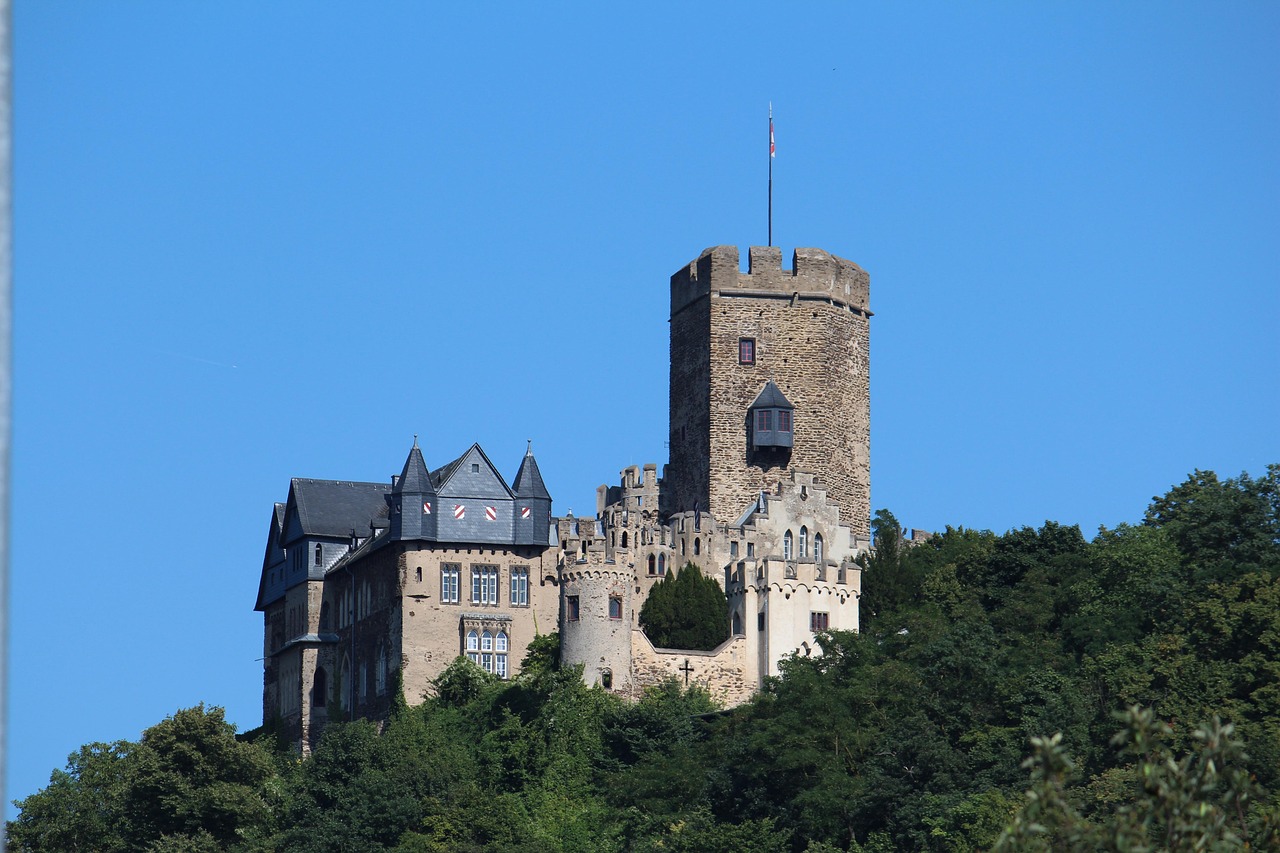
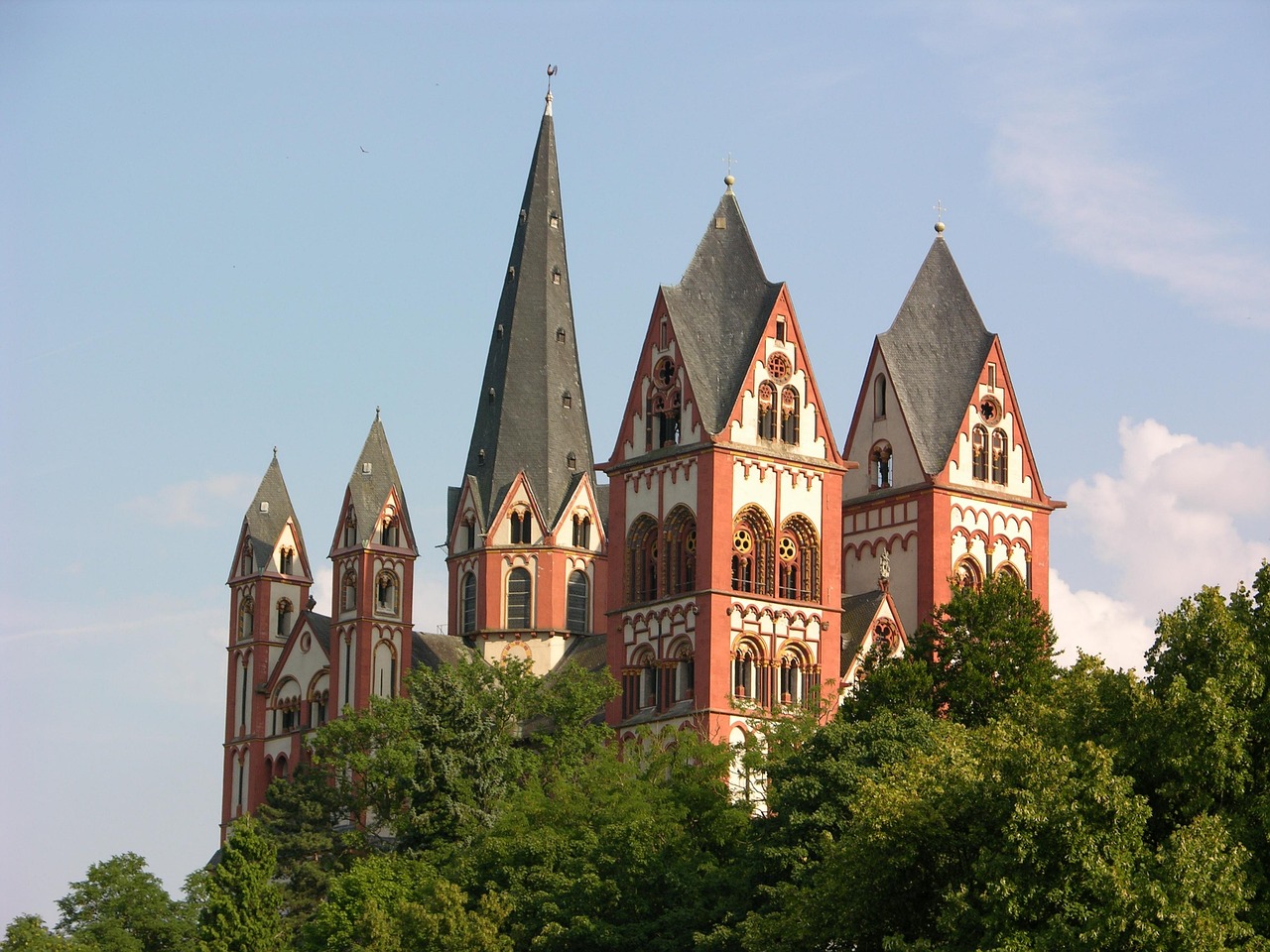
The Lahn is in no hurry. Between steep slate slopes, oak woods and meadows it winds in tight bends towards the Rhine, slowed every few kilometres by a weir and a lock where canoes wait for the green light. From the sliding door you see castle ruins on every other rocky spur, the seven towers of Limburg Cathedral above the river and, in the evening, mist rising from the water into the riverside willows. Bad Ems tells of spa guests from half of Europe, Weilburg of princes who had a tunnel bored through a hill for their Lahn boats, Wetzlar of lenses and cameras. Then it gets rougher: on the Westerwald heights the wind whistles over basalt domes and fish ponds, and in the Kannenbäcker villages there is the smell of kilns. Finally the Limes leads into the Taunus, where the Romans once drew the frontier and where hikers today look out from the Feldberg to the Frankfurt skyline.
Stage-by-stage plan
1Stage 1: Lahnstein to Nassau (approx. 20 km)
- The drive
- From Lahnstein, where the Lahn flows into the Rhine, head upstream on the valley road via Fachbach to Bad Ems and on via Dausenau to Nassau. A level, well-surfaced road in the narrow valley between railway line and river; in Bad Ems the traffic runs through the narrow spa town, and the riverside car parks are often full during the day. Pure driving time is around half an hour – the rest of the day belongs to walking.
- Highlights & must-sees
- Burg Lahneck high above the mouth of the Lahn, part of the Upper Middle Rhine Valley World Heritage Site: from the castle hill the view across the confluence of Lahn and Rhine over to Koblenz-Stolzenfels.
- The spa quarter of Bad Ems, a UNESCO World Heritage Site since 2021 as one of the “Great Spa Towns of Europe”: the Kursaal with its Marble Hall, the Quellenturm, the Russian Church on the bank of the Lahn and the Benedetti Stone on the spa promenade, which commemorates the Ems Dispatch of 1870.
- The leaning tower of the old town fortifications in Dausenau and, in Nassau, the Stein’sche Schloss, birthplace of the reformer Freiherr vom Stein, below the ancestral castle of the House of Nassau.
- CampingSpirit overnight tip
-
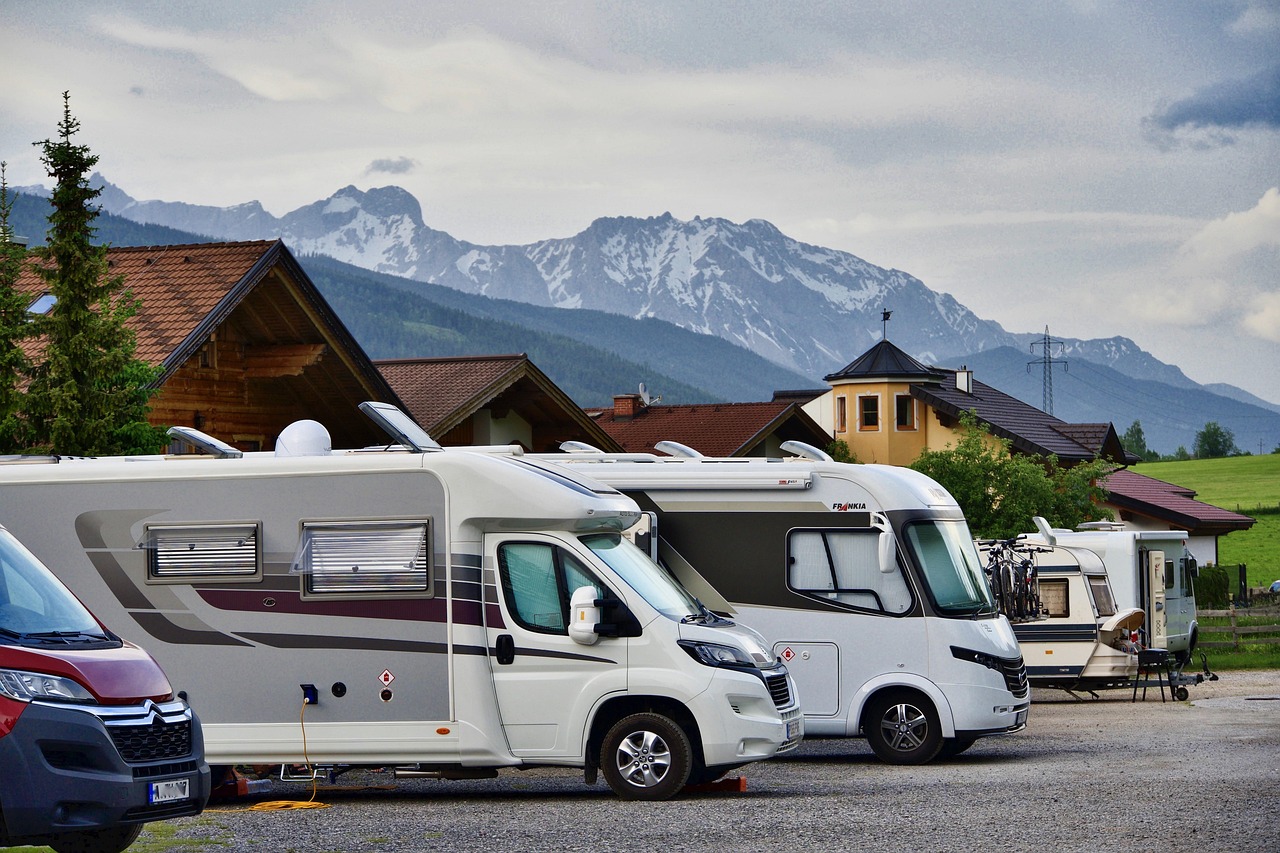
Official campsite or RV park: Campingplatz Dausenau right on the bank of the Lahn between Bad Ems and Nassau, with electric hook-ups, toilets and showers and a service point, popular with paddlers and cyclists. In Nassau there is a small motorhome stopover near the river with only a few pitches, within walking distance of the old town; check facilities and fees in advance. If you are already spending the night on the Rhine: Campingplatz Burg Lahneck sits on the heights next to the castle in Lahnstein, open seasonally.
Free camping or nature tip (where legal): Wild camping is prohibited in Rhineland-Palatinate. At most, a single overnight stay to restore your fitness to drive is tolerated on public car parks that do not exclude it by sign – without table, chairs, awning or lowered levelling jacks. Riverside meadows and towpaths along the Lahn are off-limits; the floodplains are protected in places, and the local authorities carry out checks in the season.
- Insider tip for campers
- Bad Ems is tight with a camper: leave the vehicle in Dausenau or Nassau and ride the roughly seven kilometres back into the spa town on the Lahntalradweg or by the Lahntalbahn. For fuel and shopping, the large supermarkets in Lahnstein and on the outskirts of Bad Ems are better than the town centres. Castles, ferries and wine villages on the Rhine itself, as well as the Moselle, are covered in the CampingSpirit guide to the Middle Rhine Valley and the Moselle loops – Lahnstein is the link.
2Stage 2: Nassau to Limburg an der Lahn (approx. 45 km)
- The drive
- Continue along the valley via Obernhof and Laurenburg to Balduinstein and Diez, then the last few kilometres to Limburg. The section between Nassau and Balduinstein is the wildest of the lower Lahn: narrow country roads, tight village through-roads, climbs where the road leaves the valley, and railway underpasses where you should watch the height limits. Larger vehicles can detour over the heights if necessary. A good hour of pure driving time.
- Highlights & must-sees
- Kloster Arnstein high above Obernhof: the abbey church on its rocky spur, with views into the valley and of the vineyards of Obernhof, one of the few wine villages on the Lahn.
- Schaumburg above Balduinstein, a castle rebuilt in neo-Gothic style, and the counts’ castle on the rock above the old town of Diez, plus Schloss Oranienstein on the edge of town.
- Limburg Cathedral of St George with its seven towers on the limestone rock above the Lahn, plus the old town with medieval half-timbered houses and the Alte Lahnbrücke – the view from the bridge up to the cathedral is the classic photo spot.
- CampingSpirit overnight tip
-
Official campsite or RV park: Camping Resort Limburg (formerly known as Lahn-Camping) on the bank of the Lahn below the old town, with electricity, toilets and showers, a service point and an adjoining motorhome stopover; across the Alte Lahnbrücke it is a few minutes’ walk to the cathedral. A quieter alternative: Campingplatz Oranienstein in Diez, also right on the river.
Free camping or nature tip (where legal): In the valley between Obernhof and Balduinstein there are hardly any parking areas where a camper could stand overnight without disturbing residents or nature; the hikers’ car parks in the Nassau Nature Park are not intended for overnight stays. Plan your evening at a site in Diez or Limburg.
- Insider tip for campers
- Since January 2018 Limburg has had a low-emission zone in the town centre where the green sticker is compulsory – including for vehicles with foreign number plates. Buy the sticker before your trip; the boundaries of the zone are signposted. The old-town lanes around the cathedral are unsuitable for motorhomes, and multi-storey car parks have height restrictions: leave the vehicle at the campsite and walk up.
3Stage 3: Limburg an der Lahn to Weilburg (approx. 35 km)
- The drive
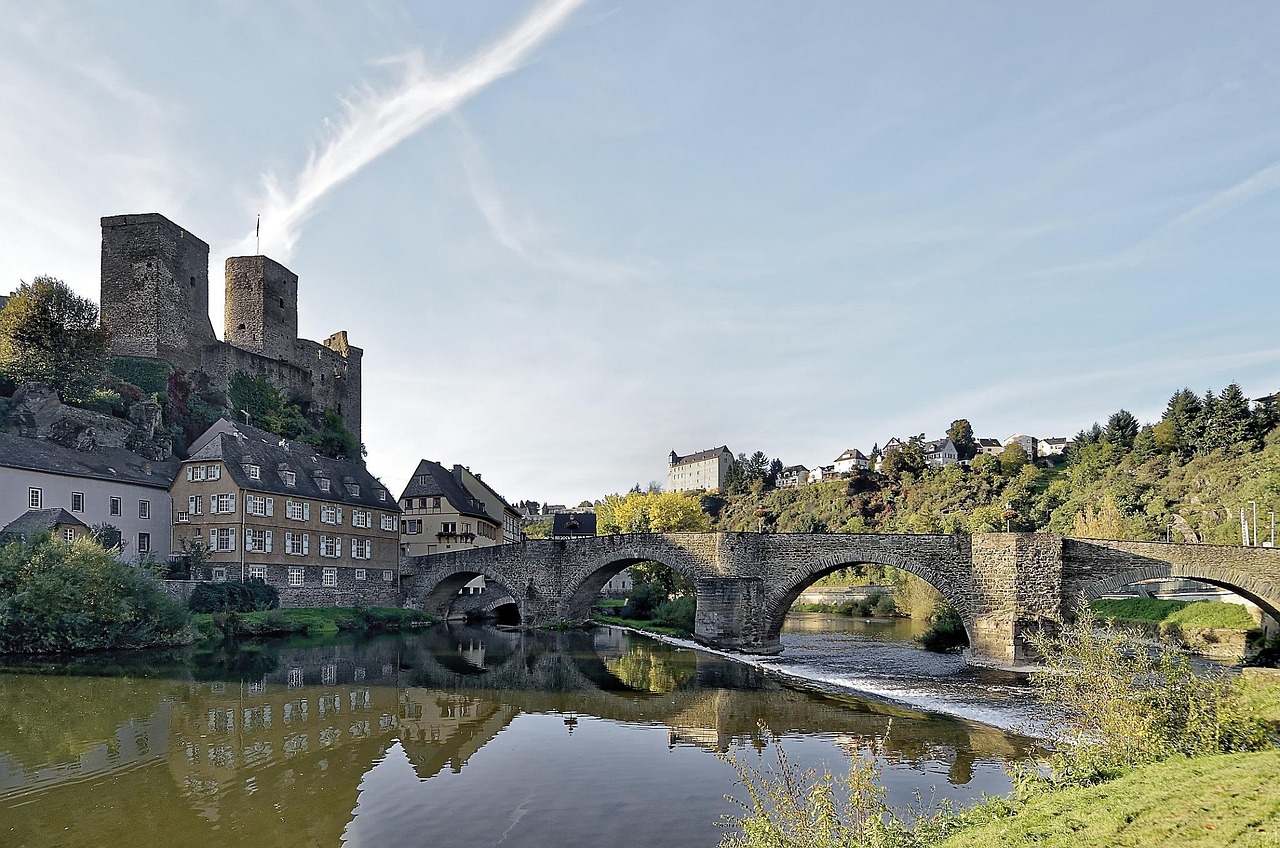
- Upstream via Dietkirchen, Runkel and Villmar to Weilburg. The route alternates between the federal road on the edge of the valley and small country roads close to the river; in Runkel the stone bridge of 1448 crosses the Lahn and is only just over four metres wide – with a large camper, avoid the bridge and experience it on foot. Just under an hour’s driving time.
- Highlights & must-sees
- The Lubentius Basilica in Dietkirchen, a Romanesque collegiate church on a limestone rock directly above the Lahn – best seen from the opposite bank.
- Burg Runkel above the old Lahn bridge and, opposite, Burg Schadeck: two castles eyeing each other across the river.
- The Lahn Marble Museum in Villmar and the nearby Unica quarry, where fossil reefs from the Devonian are visible in the polished stone.
- CampingSpirit overnight tip
-
Official campsite or RV park: In Weilburg there is a large motorhome stopover on the Hainallee near the Lahn with a service point; from there you walk up into the old town. A campsite with electricity, toilets and showers and access to the Lahn lies upstream in the district of Odersbach. On the way, Runkel has a campsite right on the bank of the Lahn below the castle.
Free camping or nature tip (where legal): Similar rules apply in Hesse as in Rhineland-Palatinate: no wild camping, at most a single overnight stay on public car parks without camping behaviour, unless prohibited. The Lahn floodplains above Limburg are partly landscape and nature reserves; tracks leading there are closed to motor vehicles.
- Insider tip for campers
- The Lahn between Weilburg, Runkel and Limburg is one of the most popular paddling sections: canoes and shuttle services are available at several places along the river. Between Gießen and Steeden boaters operate the locks themselves; the twelve locks from Steeden to Lahnstein are staffed and closed at night – check operating hours with the responsible Waterways and Shipping Office before your trip. Everyone should wear a life jacket when going through a lock.
4Stage 4: Weilburg to Wetzlar (approx. 35 km)
- The drive
- On the B49 through the wider upper Lahn Valley via Löhnberg and Leun to Wetzlar, with the detour up to Braunfels. A well-surfaced federal road, with some climbs on the way to Braunfels; the old towns of Braunfels and Wetzlar are steep and narrow and best avoided in a motorhome. Around 45 minutes’ driving time.
- Highlights & must-sees
- Weilburg ship tunnel: opened in 1847, around 195 metres long and the oldest ship tunnel in Germany still in use; it cuts off the Lahn loop beneath the castle hill and is used today by pleasure boats and canoes, with a double lock at its southern end to even out the difference in height.
- Schloss Weilburg with its Renaissance courtyard and terraced gardens above the river, plus Schloss Braunfels with its towers above the market square.
- Wetzlar: the unfinished cathedral, the old town with the Lottehaus and the Imperial Chamber Court Museum, plus the Ernst Leitz Museum in the Leitz-Park and the Viseum optics museum in town – the story of microscopes, binoculars and cameras.
- CampingSpirit overnight tip
-
Official campsite or RV park: Wetzlar has a small motorhome stopover on the Lahninsel near the old town with a service point, as well as a few pitches at the Leitz-Park on the edge of town; both have only a few places. If you are looking for a campsite: on the Dutenhofener See east of the town there is a site with electricity, toilets and showers and a swimming lake, on the boundary with the town of Gießen.
Free camping or nature tip (where legal): Overnight stays in the car parks at Schloss Braunfels or at the Leitz-Park outside the designated stopover are not intended. The Lahn floodplains between Wetzlar and Gießen are part of a large network of protected areas; field tracks leading there are closed to motor vehicles.
- Insider tip for campers
- As far as we know, Wetzlar has no low-emission zone, and neither does the area around Gießen. There are no locks in Wetzlar; paddlers portage their boats around the weirs on roller ramps on the right bank. The Lahntalradweg links Weilburg and Wetzlar almost entirely away from the federal road – a good day to leave the vehicle parked.
5Stage 5: Wetzlar to Hachenburg (approx. 80 km)
- The drive
- From Wetzlar back to Leun and then north-west up onto the Westerwald plateau, via Rennerod and Bad Marienberg to Hachenburg. The landscape changes from the Lahn Valley to open uplands at 400 to 600 metres with basalt domes, hedgerows and pasture; country roads with moderate climbs and many village through-roads. A good 1.5 hours’ driving time.
- Highlights & must-sees
- Stöffel-Park near Enspel: a former open-cast basalt mine with preserved industrial installations and a museum displaying fossils from a maar lake around 25 million years old.
- Bad Marienberg with its Basaltpark and the walk to the Wolfstein on the edge of the Kneipp spa town.
- The Alter Markt in Hachenburg with half-timbered houses, the Lion Fountain and the Baroque castle above the town.
- CampingSpirit overnight tip
-
Official campsite or RV park: Motorhome stopover in Hachenburg near the old town, with electricity and a service point; places are limited. More spacious is the motorhome park in Bad Marienberg with around 40 pitches, also with electricity and waste disposal. You will find campsites at the Krombachtalsperre and at the Wiesensee near Westerburg.
Free camping or nature tip (where legal): In the Westerwald (Rhineland-Palatinate) Rhineland-Palatinate law applies again: no wild camping, no overnight stays on forest tracks – the state forest law prohibits driving and parking on forest tracks even without a sign. The car parks at the Stöffel-Park are intended for visitors during opening hours.
- Insider tip for campers
- On the Westerwald heights it is noticeably cooler and windier than in the Lahn Valley, and fog comes in quickly. In the winter half of the year be prepared for icy roads. Fill up with water and empty your tanks preferably in Bad Marienberg or Hachenburg before heading to the lakes.
6Stage 6: Hachenburg to Höhr-Grenzhausen (approx. 60 km)
- The drive
- Via Marienstatt Abbey to the Westerwald Lake District near Freilingen and Dreifelden, then south via Selters to Montabaur and on into the Kannenbäckerland to Höhr-Grenzhausen. Quiet country roads through meadows and woodland, with more traffic only in Montabaur and on the A3. About 1.5 hours’ driving time.
- Highlights & must-sees
- Marienstatt Abbey on the Nister: a Cistercian monastery with one of the earliest Gothic churches in the Rhineland and a brewery.
- Westerwald Lake District: seven ponds laid out as fish ponds in the 17th century; at the Dreifelder Weiher a circular trail leads to birdwatching points, and the Postweiher near Freilingen is the leisure lake of the lake district – swim only at designated spots.
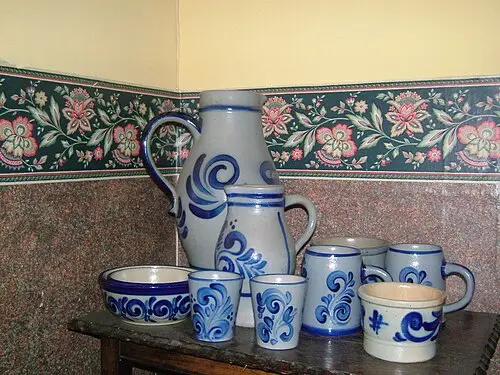
- The Westerwald Ceramics Museum in Höhr-Grenzhausen and open workshops in the Kannenbäckerland, where the blue-grey, salt-glazed stoneware has been made for centuries; plus the yellow castle of Montabaur on the town hill.
- CampingSpirit overnight tip
-
Official campsite or RV park: At the lake district there is a motorhome stopover with a service point near Freilingen, as well as Campingplatz Freilingen on the Postweiher. Höhr-Grenzhausen itself has a small stopover; the stopover at the Hüttenmühle in neighbouring Hillscheid has electricity. Check facilities and season in advance.
Free camping or nature tip (where legal): The lake district is a bird sanctuary and partly a nature reserve: do not spend the night in the hikers’ car parks by the ponds, and do not drive onto the shores. Checks take place mainly in summer at the bathing spots.
- Insider tip for campers
- In the potters’ villages it is worth approaching workshops directly; many sell on site and are happy to show you the kiln. Near Hillscheid the Limes runs through the forest, with traces of rampart and ditch – a foretaste of the Saalburg. Montabaur lies right on the A3; fill up cheaply there before heading into the Taunus.
7Stage 7: Höhr-Grenzhausen to Saalburg (Wehrheim) (approx. 105 km)
- The drive
- On the A3 via Montabaur and Limburg south to Bad Camberg, then on country roads via Weilrod or Usingen into the Hochtaunus and on the B456 to the Saalburg. The longest stage of the route, but straightforward: motorway with climbs at the Westerwald, and in the Taunus winding, well-surfaced roads through beech woods. Around two hours’ driving time.
- Highlights & must-sees
- Saalburg Roman Fort: a reconstructed Limes fort with gates, walls and museum, part of the Upper German-Raetian Limes UNESCO World Heritage Site; from the fort, paths lead to the rampart and ditch in the forest.
- Hessenpark Open-Air Museum near Neu-Anspach with around a hundred rebuilt houses from all over Hesse.
- The old town of Bad Camberg with half-timbering and town tower, a good place for a break at the motorway exit.
- CampingSpirit overnight tip
-
Official campsite or RV park: The municipality of Wehrheim, a few kilometres from the Saalburg, offers small motorhome stopovers at the Bürgerhaus and at the outdoor pool, each with only a few places; check services in advance. In Bad Homburg there is a stopover at the Lindenhof. Larger campsites are rare in the Hochtaunus – book during the school holidays.
Free camping or nature tip (where legal): The car parks at the Saalburg and in the Taunus Nature Park are for parking, not for overnight stays; Hesse’s forest law only permits driving and parking in the forest on areas designated for that purpose. Plan the night at one of the stopovers.
- Insider tip for campers
- The Hochtaunus lies within Frankfurt’s catchment area: at weekends with good weather the Saalburg, Hessenpark and the hikers’ car parks fill up early. Come on a weekday or early in the morning. The low-emission zones of Frankfurt am Main and Wiesbaden lie outside the route; if you continue there, you will need the green sticker.
8Stage 8: Saalburg (Wehrheim) to Diez (approx. 80 km)
- The drive
- Via Oberreifenberg up to the Großer Feldberg, then on winding roads through the Taunus to Idstein and via Bad Camberg and Limburg back into the Lahn Valley to Diez. The Feldberg road is steep and busy at weekends with motorcyclists and day-trippers; the summit car park is tight. Around two hours’ driving time, about an hour more with the detour to Kloster Eberbach.
- Highlights & must-sees
- Großer Feldberg, at a good 880 metres the highest mountain in the Taunus: the Brunhildisfelsen and a viewing platform with views as far as the Frankfurt skyline and, in clear weather, into the Odenwald.
- Idstein’s old town with the Hexenturm, the Killingerhaus and the castle quarter.
- Optional detour from Idstein into the Rheingau to Kloster Eberbach near Eltville, a Cistercian monastery with a Gothic dormitory, wine presses and monastic winemaking.
- CampingSpirit overnight tip
-
Official campsite or RV park: The Wohnmobilhafen Idstein offers pitches with a service point close to the old town. Back in the Lahn Valley, spend the night at Campingplatz Oranienstein in Diez or at Camping Resort Limburg – so the route ends back on the Lahn, and the evening belongs to the river.
Free camping or nature tip (where legal): On the Großer Feldberg, overnight stays in the summit car park are not intended; the nature park’s protection rules apply around the summit. At Kloster Eberbach the car parks are for visitors; in the Rheingau there are winery stopovers – clarify conditions in advance.
- Insider tip for campers
- Choose a weekday for the Feldberg and drive up early. If you want to visit Kloster Eberbach, take the route over the Taunus heights to avoid Wiesbaden’s low-emission zone and the city traffic. In Limburg, mind the low-emission zone on the way back; the green sticker should still be on your windscreen.
Camping practice & local rules
Wild camping & overnight parking
- Free camping is not permitted either in Rhineland-Palatinate (Lahnstein to Diez, Westerwald) or in Hesse (Limburg to Wetzlar, Taunus). Under road traffic law, a single overnight stay to restore your fitness to drive is tolerated on public car parks if no sign excludes it – without awning, chairs, table or lowered levelling jacks.
- Forest tracks are closed to motor vehicles in both states; this applies even without a prohibition sign. In nature reserves and bird sanctuaries, such as the Westerwald Lake District and parts of the Lahn floodplains, overnight stays are off-limits; violations are punished with fines.
- The region has a dense network of municipal motorhome stopovers, often right on the Lahn and within walking distance of the old towns. Useful directories and apps: Campercontact, park4night, promobil’s Stellplatz-Radar and the Bordatlas.
- Paddlers may only camp at campsites or designated canoe rest areas; on the Hessian section of the Lahn, the Regierungspräsidium Gießen has designated specific put-in, take-out and rest points.
Waste disposal & supplies
- Service points are available at most municipal stopovers along the Lahn and in the Westerwald, often operated by coin, card or app; some stopovers only have fresh water.
- Empty grey water and cassettes only at service points – emptying them into drains or into the Lahn is prohibited and harms the river.
- Tap water in Germany is drinking water; at stopovers use only marked drinking-water taps and your own hose.
- Gas: grey 11-kg exchange cylinders are available at filling stations, DIY stores and camping dealers; LPG stations are widespread and easy to reach on the A3 and in the towns on the Lahn. Refillable tanks with a German connector are filled without an adapter.
Vehicle size & traffic rules
- Speed limits: motorhomes up to 3.5 t 50 km/h in built-up areas and 100 km/h outside them; on the motorway the recommended speed is 130 km/h. Motorhomes over 3.5 t up to 7.5 t 80 km/h outside built-up areas, 100 km/h on the motorway. Car-and-caravan combinations 80 km/h, 100 km/h on the motorway with Tempo 100 approval.
- Low-emission zones: since 2018 Limburg an der Lahn has had a low-emission zone in the town centre where the green sticker is compulsory, as do Frankfurt am Main and Wiesbaden, which this route only touches on its edge. The sticker also applies to foreign vehicles and should be ordered before your trip.
- No motorway tolls and no vignette for motorhomes in Germany.
- Situational winter tyre requirement in snow, ice and slippery conditions (tyres with the Alpine symbol). On the Westerwald heights and on the Großer Feldberg, expect snow from November to March.
- If a load protrudes more than one metre beyond the rear, it must be marked; if a rear carrier covers lights or the number plate, a light bar and a repeat number plate are required. Blood alcohol limit 0.5, 0.0 for new drivers and those under 21; you may not hold your phone while driving. Federal waterway rules apply on the Lahn; a life jacket is strongly recommended when going through locks.
CampingSpirit packing & preparation checklist
- Green low-emission sticker on the windscreen – without it you risk a fine in Limburg’s low-emission zone.
- Waterproof dry bags and your own life jackets for the paddling day on the Lahn – when going through a lock, the jacket should be on.
- Bikes with wider tyres for the Lahntalradweg, which runs over gravel and rooty paths in places.
- Binoculars for birdwatching at the Westerwald Lake District and for the view from the Feldberg.
- Levelling ramps: many stopovers in the Westerwald and the Lahn Valley are on slopes or gravel.
- A warm jacket and rain gear even in summer – on the Westerwald heights and on the Feldberg it is often noticeably cooler and windier than in the valley.
As of 2026-10. Closures, fees and booking rules change: check official sources before you go.