
In-depth guide · CampingSpirit
From Cluj-Napoca via Baia Mare to the wooden-church villages of Maramureș, on the Vaser Valley railway into the Carpathians, over the Prislop Pass to the Moldavian monasteries of Bukovina, up the Rarău and through the Bicaz Gorge to Bistrița: around 1,160 kilometres in northern Romania.
The spirit of the route
In the Iza Valley the day begins with the clatter of hooves: a horse-drawn cart piled with hay overtakes no one, but everyone waits patiently behind it. Above the villages rise slender church spires of oak, clad in shingles, pointed like pencils, and in front of the farmsteads stand carved gates that are bigger than the houses behind them. On Sundays women wear black skirts and colourful headscarves to Mass, and on the slopes haystacks dry around their poles. Beyond the Prislop Pass the landscape opens out, the forests grow darker, and then in Bukovina monastery churches glow with outer walls painted from top to bottom: the Last Judgement, the Siege of Constantinople, the Ladder of Virtues, in blue, green and ochre, exposed to the weather for almost five hundred years. From the sliding door you see storks, well sweeps and, in the evening, smoke rising from the chimneys. A route for people who want to drive slowly and accept the church bell as their alarm clock.
Stage-by-stage plan
1Stage 1: Cluj-Napoca to Baia Mare (approx. 150 km)
- The drive
- Leave Cluj-Napoca heading north on the DN1C via Gherla and Dej, then through the Someș Valley and hilly farmland to Baia Mare. The DN1C is a busy main artery with lots of lorries, town centres to pass through and only a few overtaking opportunities; driving time around 3 hours. Traffic in Cluj is heavy and the centre is cramped: if you want to see the old town, leave the motorhome at the campsite and take a bus or taxi. From Dej onwards it becomes more rural, and the first horse-drawn carts appear on the hard shoulder.
- Highlights & must-sees
- Cluj-Napoca: Piața Unirii with the Gothic St Michael's Church and the equestrian statue of Matthias Corvinus, whose birthplace stands in the old town; plus the University Botanical Garden on the slope south of the centre.
- Ethnographic Open-Air Museum of Transylvania in the Hoia Forest on the western edge of Cluj: farmsteads, mills and wooden churches from the region, a good introduction to the timber architecture that follows on this route.
- Baia Mare: Stephen's Tower (Turnul Ștefan), Piața Libertății with the House of Iancu de Hunedoara, and the Mineralogical Museum with crystals from the mines of this old mining town.
- CampingSpirit overnight tip
-
Official campsite or RV park: For the night before you set off near Cluj, Camping Colina on the south-western edge of the city is listed in OSM (information at colina.camp); a little further south are Camp Virtus and Moara de Vânt; check facilities and season beforehand. There is no campsite in Baia Mare itself, but Camping Noroc lies around eight kilometres south of the centre, a small site with few pitches, electricity and sanitary facilities (campingnoroc.com); ask about the season and availability beforehand.
Free camping or nature tip (where legal): Romania has no nationwide ban on spending the night in a motorhome, but no right of public access either: on private land you need the owner's permission, and town car parks in Cluj and Baia Mare charge fees and are not meant for overnight stays. Around Baia Mare there are old mining spoil heaps and tailings ponds, on and beside which you should not park.
- Insider tip for campers
- Buy the rovinieta before your first drive on the DN1C if you have not already done so: it applies to the entire national road network, not just motorways. In Cluj and Baia Mare use the large supermarkets on the arterial roads for shopping; the Maramureș villages usually have only small shops. Carry lei in cash for monastery entrance fees, photo fees and meadow pitches.
2Stage 2: Baia Mare to Săpânța (via Surdești, the Gutâi Pass and Desești) (approx. 115 km)
- The drive
- From Baia Mare head east via Șișești to Surdești and Plopiș, then back via Baia Sprie onto the DN18 and up through beech forest in many hairpins to the Gutâi Pass (just under 1,000 m). On the north side the road drops to Mara and into the Mara Valley, past Desești to Sighetu Marmației and along the Tisza to Săpânța. The pass road is winding but well surfaced; the access roads to the wooden churches are narrow, often with horse-drawn carts and pedestrians on the carriageway. Driving time around 3 hours, a full day with sightseeing.
- Highlights & must-sees
- Surdești: Church of the Holy Archangels, built of wood in the early 18th century (UNESCO World Heritage), whose slender tower is one of the tallest of Europe's old wooden churches; a few kilometres further on is the smaller World Heritage church of Plopiș.
- Gutâi Pass with a view of the rocky ridge of Creasta Cocoșului (Rooster's Crest); waymarked paths lead into the forest from the car park at the top of the pass.
- Desești: wooden Church of St Paraskeva (UNESCO World Heritage) with late 18th-century murals inside, on a small cemetery hill above the Mara Valley. If you have time, turn off at Ocna Șugatag to Breb, a village of wooden gates and hay meadows.
- CampingSpirit overnight tip
-
Official campsite or RV park: In Săpânța, Camping Poieni lies on the southern edge of the village with meadow pitches, electricity, water and showers, simple and family-run; ask about the season beforehand. If you would rather stay in the Mara Valley: Babou Maramureș in Breb, a small Dutch-run site with sanitary facilities and electricity (baboumaramures.com), or Camping Stefanos Maramureș near Ocna Șugatag (campingstefanos.ro); check access for large vehicles beforehand.
Free camping or nature tip (where legal): Săpânța and Sighet lie right on the Tisza, which forms the border with Ukraine here. The border police patrol the border strip, spending the night on the riverbank is not advisable, and drones have no place in the air there. In the villages, meadows and orchards are private land; many guesthouse owners will let you park on their meadow for a small fee if you ask.
- Insider tip for campers
- The wooden churches are often locked; the key is kept by the priest or a neighbour, and the phone number usually hangs on the gate. They will unlock it for a small donation. Sunday morning is service time: don't sightsee then, but do listen. In Desești and Surdești park just before the village, as the access roads up the church hill are steep and narrow.
3Stage 3: Săpânța to Vișeu de Sus (via Sighetu Marmației, Bârsana and Ieud) (approx. 120 km)
- The drive
- Back to Sighetu Marmației, then south-east through the Iza Valley via Vadu Izei, Bârsana, Rozavlea and Bogdan Vodă; Ieud lies on a short spur road in a side valley. Continue via Săliștea de Sus and Săcel into the Vișeu Valley and via Moisei to Vișeu de Sus. The road through the Iza Valley is surfaced but patched in many places, with potholes at the edges, almost continuous village stretches and lots of horse-drawn carts, cyclists and cows. Going faster than 50 km/h rarely makes sense; driving time around 3 hours without breaks.
- Highlights & must-sees
- Săpânța, the “Merry Cemetery” (Cimitirul Vesel): oak grave crosses in strong blue, each with a carved picture and a rhyming, often mocking verse about the deceased, begun by the carver Stan Ioan Pătraș; come early in the morning before the coaches.
- Sighetu Marmației: Memorial to the Victims of Communism and to the Resistance in the former political prison where politicians, bishops and intellectuals of the interwar period were held and many died; allow at least two hours. Also Elie Wiesel's birthplace and the Maramureș Village Museum.
- Bârsana with the small 18th-century wooden church (UNESCO World Heritage) and the newer monastery complex in the meadow opposite; then Ieud with the Church “on the Hill” (Biserica din Deal, UNESCO World Heritage) and its densely painted interior walls.
- CampingSpirit overnight tip
-
Official campsite or RV park: In Vișeu de Sus, pitch directories list a small motorhome site by the Vaser Valley railway with a shower, handy for the train the next morning; check location, prices and facilities beforehand. Along the way is Camping Bradova near Bârsana. In Borșa, a good 20 kilometres further on, Camping Pietrosu Rodnei and other small sites are listed in OSM; ask about their current status beforehand.
Free camping or nature tip (where legal): The Vaser Valley above Vișeu de Sus is part of the Munții Maramureșului Nature Park, and the mountains south of Borșa belong to Rodna National Park; there, tent and vehicle camping is only permitted at designated sites, and both areas are bear country. In the villages of the Iza Valley, don't spend the night on public squares in front of churches or schools; ask at farmsteads instead.
- Insider tip for campers
- For the Mocănița, the forest railway into the Vaser Valley, set aside a whole day without driving: the train leaves Vișeu de Sus station in the morning and returns in the afternoon or early evening, with a picnic stop in the valley. In high season and at weekends book tickets online in advance, and check departure times and the season on the railway's website. Sparks and soot fly: no light-coloured clothing in the open carriage. In Moisei it is worth stopping at the memorial by the sculptor Vida Gheza to the villagers shot by Hungarian troops in October 1944: a circle of stylised figures on the edge of the village.
4Stage 4: Vișeu de Sus to Pojorâta (via Borșa and the Prislop Pass) (approx. 130 km)
- The drive
- Via Moisei to Borșa and up the DN18 in hairpins to the Prislop Pass (a good 1,400 m), which separates Maramureș from Bukovina. On the eastern side comes a long, lonely stretch through the Golden Bistrița Valley via Cârlibaba and Ciocănești to Iacobeni, then on the DN17 (E58) over the Mestecăniș Pass into the Moldova Valley to Pojorâta. The DN18 is narrow at the pass but in decent condition, with potholes and loose chippings after the winter; there are hardly any filling stations between Borșa and Iacobeni. Driving time around 3 hours.
- Highlights & must-sees
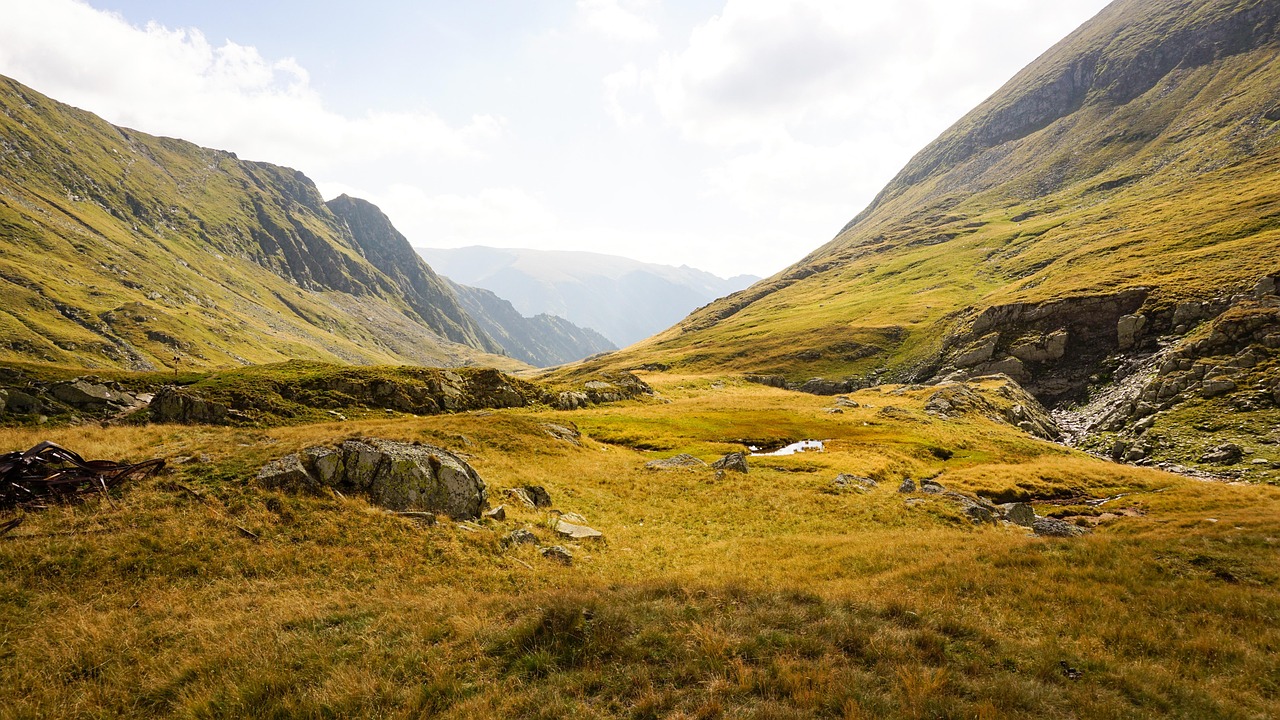
- Prislop Pass: open alpine meadows at the top of the pass with views of the Rodna Mountains, a small monastery and flocks of sheep; car park at the top of the pass.
- Cârlibaba and Ciocănești: mountain villages of Bukovina; in Ciocănești the houses are painted with patterns reminiscent of embroidered folk costumes and painted Easter eggs, and in the village the National Museum of Painted Eggs (Muzeul Național al Ouălor Încondeiate) displays several thousand pieces.
- Mestecăniș Pass on the DN17 with views over the forested ridges; afterwards in the Moldova Valley, the view across to the Rarău massif.
- CampingSpirit overnight tip
-
Official campsite or RV park: Camping de Vuurplaats on the DN17 west of Pojorâta, a Dutch-run site with electricity, water, sanitary facilities and waste disposal (vuurplaats.eu), a good base for Moldovița and the Rarău; check the season beforehand. If you want to stop earlier: Camping Autoturist and other small sites in Vatra Dornei, a good 10 kilometres south of Iacobeni and thus off the route.
Free camping or nature tip (where legal): The slopes at the Prislop Pass border Rodna National Park, and the pastures belong to shepherds with large livestock guardian dogs. If you want to spend an evening on the pass, ask at the hut or the monastery and don't park on the meadow. The forests between Cârlibaba and Iacobeni are dense and full of bears.
- Insider tip for campers
- Fill up with fuel and water in Borșa. On the DN17 between Iacobeni and Câmpulung there is a lot of lorry transit traffic towards Suceava; use a low gear going downhill on the Mestecăniș Pass. Câmpulung Moldovenesc has large supermarkets and a collection of woodcraft in the “Arta Lemnului” museum.
5Stage 5: Pojorâta to Suceava (via Moldovița, Sucevița and Rădăuți) (approx. 145 km)
- The drive
- Via Câmpulung Moldovenesc to Vama, then north into the Moldovița Valley to Vatra Moldoviței. From there over the Ciumârna Pass (a good 1,100 m) with tight hairpins through spruce forest across to Sucevița, on through Marginea to Rădăuți and through flat farmland to Suceava. The pass road is narrow but surfaced; slippery in the rain, and in autumn covered in leaves and used by timber lorries. Driving time around 3.5 hours, a full day with two monasteries.
- Highlights & must-sees
- Moldovița Monastery in Vatra Moldoviței (16th century, UNESCO World Heritage): walled courtyard, exterior frescoes in shades of yellow and blue, including the Siege of Constantinople on the south wall.
- Sucevița Monastery (UNESCO World Heritage) behind fortified walls with corner towers; the painted church with the “Ladder of Virtues” on the north wall, on which angels and devils struggle for souls; the west façade is unpainted.
- Marginea with workshops for black pottery, which is fired unglazed in a reducing atmosphere; in Rădăuți the 14th-century Bogdana Church, one of the oldest stone churches in Moldavia.
- CampingSpirit overnight tip
-
Official campsite or RV park: Camping Dragomirna north of Suceava near Mitocu Dragomirnei, a small site with meadow pitches, electricity and sanitary facilities close to Dragomirna Monastery; ask about the season and facilities beforehand. In Sucevița and Vatra Moldoviței many guesthouses offer pitches on their meadow; if you want to stay there, ask directly.
Free camping or nature tip (where legal): Around the monasteries the car parks are intended for day visitors and staying overnight there is not envisaged; camping in front of the monastery walls is also considered disrespectful. The forests on the Ciumârna Pass are state forest and bear country, and forest tracks usually have a barrier.
- Insider tip for campers
- Dress code in the monasteries: shoulders and knees covered, women ideally in a skirt, and a headscarf is appreciated; wraparound skirts and scarves are often provided at the entrances. Men without head covering and in long trousers. A separate fee is usually charged for photography, and inside the churches it is often banned altogether. During services, stay quiet in the church and don't walk around.
6Stage 6: Suceava to Voroneț (via Humor and Gura Humorului) (approx. 70 km)
- The drive
- From Suceava head west on the DN17 via Ilișești to Gura Humorului, then a few kilometres north into the side valley to Humor Monastery and back, and finally south into the Voroneț valley. Well-built main road with heavy traffic; the side roads are narrow but surfaced. A short stage with a driving time of just over an hour, leaving the morning for the fortress in Suceava and the late afternoon for Voroneț.
- Highlights & must-sees
- Princely Fortress of Suceava (Cetatea de Scaun), the residence of Stephen the Great, restored, with views over the town; next to it the Bukovina Village Museum with farmsteads and a wooden church.
- Humor Monastery (UNESCO World Heritage) with its open porch and exterior frescoes in warm reds and browns, overlooked by the 17th-century defensive tower.
- Voroneț Monastery (UNESCO World Heritage), founded by Stephen the Great: the Last Judgement across the entire west façade, in a blue known as “Voroneț blue”; the west wall glows most intensely in the evening sun.
- CampingSpirit overnight tip
-
Official campsite or RV park: In the Voroneț valley are Camping Cristia (in OSM as “Tabăra Camp-Cristia Voroneț”) and the site “Camping Area Voroneț”, both a few kilometres from the monastery; check facilities and season beforehand. Near Mănăstirea Humorului, OSM also lists Pension & Camping Cristiana.
Free camping or nature tip (where legal): In the Voroneț valley and around Gura Humorului almost every meadow is private land, and the campsites are cheap and close by: wild camping isn't worth it here. In Gura Humorului, spending the night in public car parks is not envisaged.
- Insider tip for campers
- At Voroneț Monastery the car park at the end of the valley is full at midday in summer; come from the campsite on foot or by bike. Around the monasteries, traders sell painted Easter eggs and icons. If you fancy a detour: in Cacica, south-east of Gura Humorului, there is an old salt mine you can visit.
7Stage 7: Voroneț to Lacu Roșu (via the Rarău, the Bistrița Valley and the Bicaz Gorge) (approx. 230 km)
- The drive
- Via Gura Humorului and the DN17 to Câmpulung Moldovenesc and Pojorâta, from there up the upgraded mountain road DJ175B (“Transrarău”) to the Rarău plateau below the Pietrele Doamnei and down the south side to Chiril in the Golden Bistrița Valley. On the steep section there is a 30 km/h limit with priority for uphill traffic, and coaches and oversized vehicles are not permitted; with large motorhomes check the situation beforehand, and in winter the road is not a priority for snow clearing. The direct road from Câmpulung via Izvorul Alb is restricted to 3.5 t; motorhomes take the approach via Pojorâta. Then on the DN17B through the narrow Bistrița Valley via Broșteni and Borca to the Izvorul Muntelui reservoir and along the shore to Bicaz, and finally on the DN12C through the Bicaz Gorge up to Lacu Roșu. A long stage of 5 to 6 hours of pure driving time; if you make two days of it, spend the night at the reservoir. In the Bicaz Gorge the road is narrow between overhanging rock walls, and rockfall can lead to short-notice closures or weight restrictions; watch out for tall bodywork under the rock overhangs.
- Highlights & must-sees
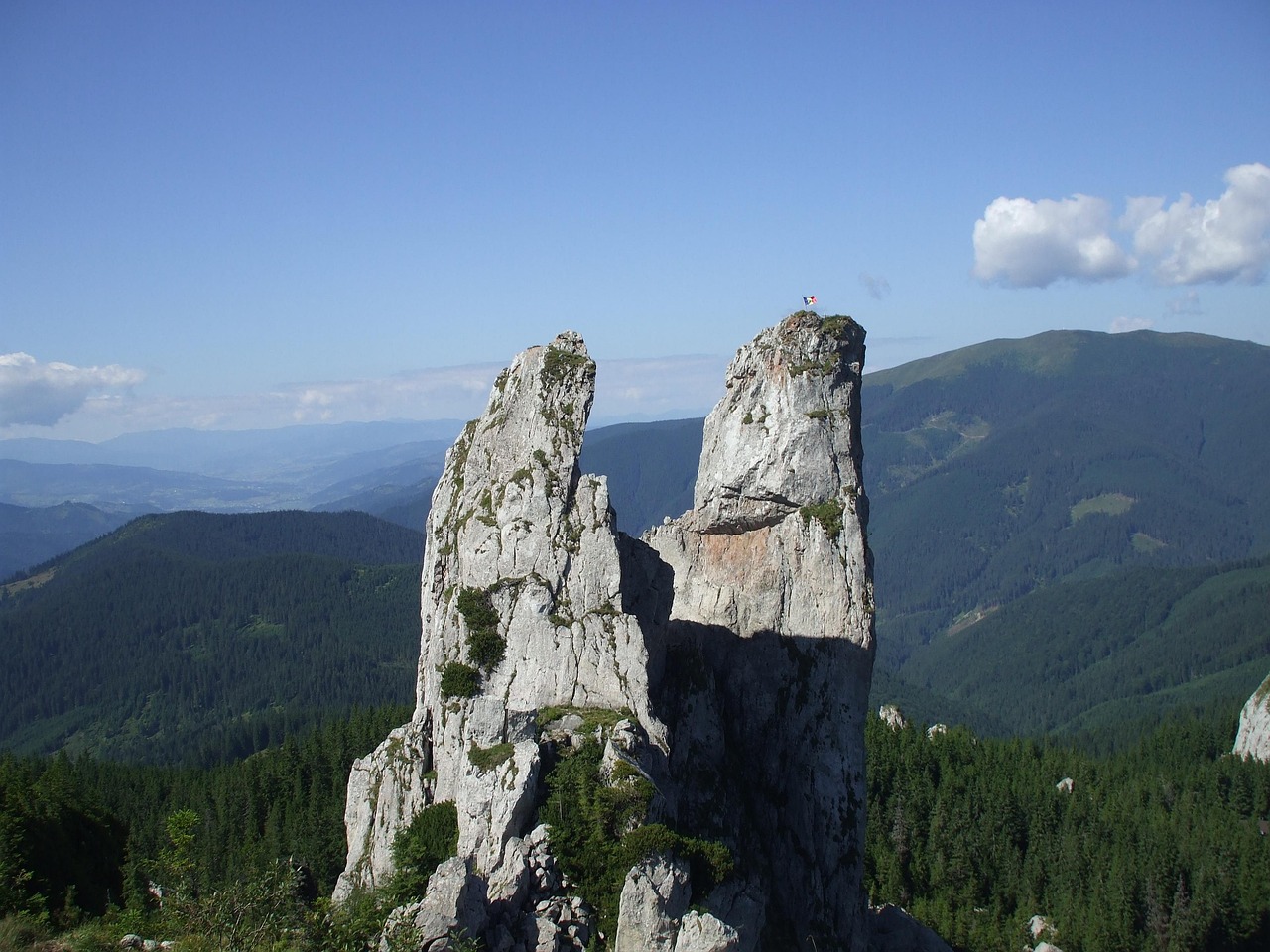
- Pietrele Doamnei on the Rarău: limestone crags above the plateau, reachable on foot from the car park along a waymarked path, with views over Bukovina; below them the Rarău hermitage (Schitul Rarău), founded by Petru Rareș.
- Izvorul Muntelui reservoir with the dam at Bicaz and the Ceahlău massif on the western shore; several viewpoints along the lakeside road.
- Bicaz Gorge (Cheile Bicazului) in the Cheile Bicazului–Hășmaș National Park: rock walls several hundred metres high, with souvenir stalls at the narrowest point, the “Neck of Hell” (Gâtul Iadului); beyond it Lacu Roșu (Gyilkos-tó), the Killer or Red Lake, with dead spruce trunks sticking out of the water, formed in the 19th century by a landslide.
- CampingSpirit overnight tip
-
Official campsite or RV park: Camping Lacu Roșu west of the lake with meadow pitches and sanitary facilities; OSM also lists a large car park at the entrance to Lacu Roșu as a motorhome site; check fees and overnight rules on site. For an intermediate night at the reservoir, OSM lists Relax Camping at the northern end of the lake near Poiana Teiului with electricity, water and sanitary facilities; ask about the season beforehand.
Free camping or nature tip (where legal): Rarău, the Bicaz Gorge and Lacu Roșu are protected (nature reserve and national park respectively): tent camping and overnight stays only at designated sites. Lacu Roșu is also known for bears walking through the village at night and even during the day, foraging at rubbish bins; the authorities issue warnings via RO-Alert on mobile phones. Leave nothing edible outside, and keep dogs inside the vehicle.
- Insider tip for campers
- Fill up in Câmpulung Moldovenesc or Bicaz; in between, options are thin. On the Rarău plateau there is a mountain hut serving food. In the Bicaz Gorge stop only in the signposted lay-bys, not under the rock overhangs, and avoid summer weekends, when traffic backs up between the stalls and pedestrians. Around Gheorgheni and Lacu Roșu mostly Hungarian is spoken, and place names are bilingual.
8Stage 8: Lacu Roșu to Bistrița (via Gheorgheni, Toplița and Reghin) (approx. 200 km)
- The drive
- On the DN12C over the Pângărați Pass (Pasul Pângărați) down to Gheorgheni in Szeklerland, then on the DN12 north to Toplița and on the DN15 through the Mureș Gorge (Defileul Mureșului) between the Călimani and Gurghiu Mountains to Reghin. From there on the DN15A through hill country to Bistrița. The route through the Mureș Valley is winding but well built, with the railway line and the river beside the road; driving time around 4 hours.
- Highlights & must-sees
- Gheorgheni with its little Armenian Catholic church and the market square, and north of the town Lázár Castle in Lăzarea, a Renaissance building with a castle garden.
- Mureș Gorge between Toplița and Deda: river, forest and railway bridges, part of the Defileul Mureșului Superior Nature Park; lay-bys along the road for taking photos.
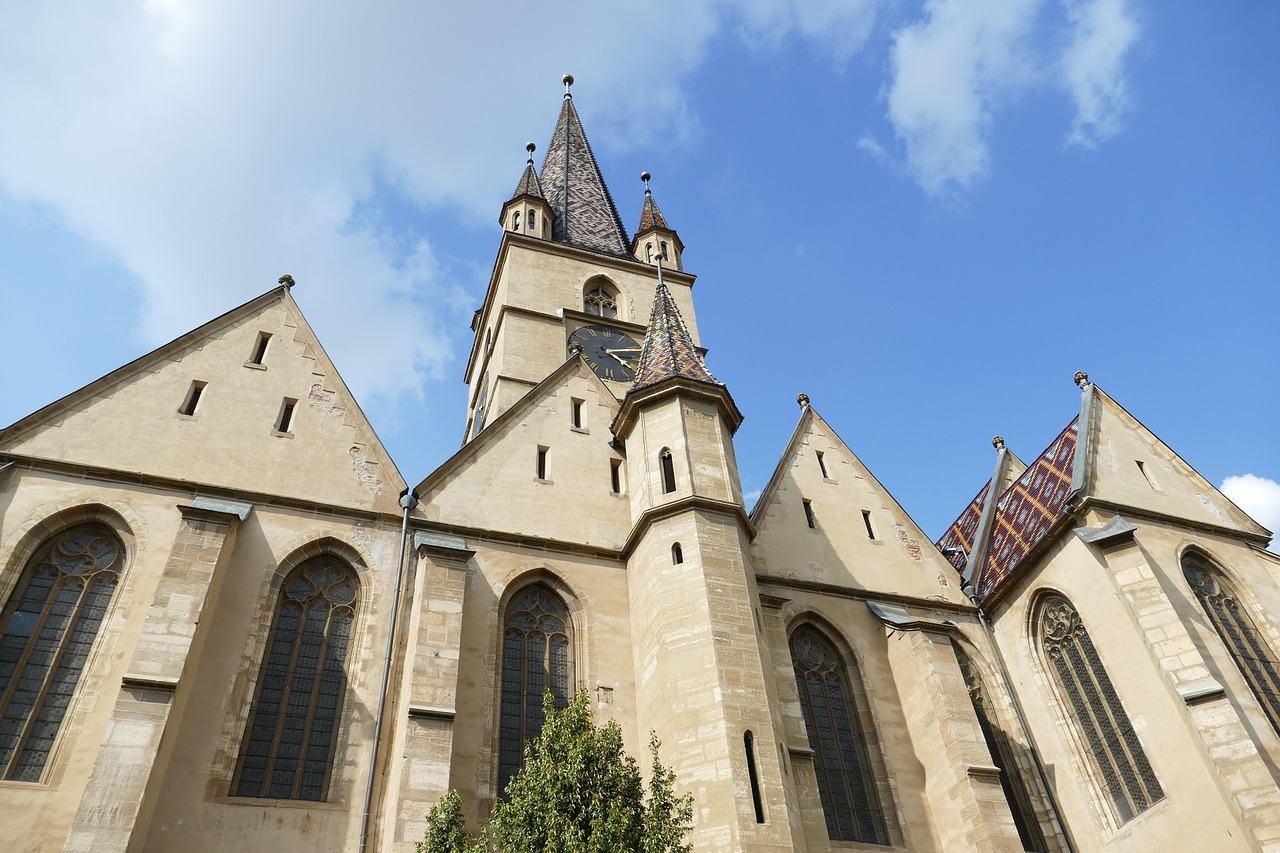
- Bistrița (Bistritz): the Evangelical church with its tall tower on the market square and the arcaded houses of the Sugălete row, plus the Coopers' Tower.
- CampingSpirit overnight tip
-
Official campsite or RV park: There is no established campsite in Bistrița itself in OSM. If you are travelling on east or north, you will find Camping Colibița and other small sites at the Colibița reservoir, a good 30 kilometres east of the town; if you are returning to Cluj (around 110 kilometres), spend the night at Camping Colina again. Check current status and facilities beforehand.
Free camping or nature tip (where legal): In the Defileul Mureșului Superior Nature Park and in Călimani National Park, camp only at designated sites. The riverside meadows along the Mureș are private or state land, and after rain the river rises quickly.
- Insider tip for campers
- Toplița is the last larger town with a supermarket before the Mureș Valley. Lots of timber lorries on the DN15; keep your distance on the bends. Reghin has a tradition of making violins and other string instruments; there are small workshops in the centre. Before travelling on, empty your cassette and grey water at a campsite, as there is no public waste disposal station in Bistrița.
Camping practice & local rules
Wild camping & overnight parking
- The legal situation is the same as in Transylvania: no nationwide ban on spending the night in a motorhome, but no right of public access either. On private land you need the owner's permission; in national parks (Rodna, Călimani, Cheile Bicazului–Hășmaș) and nature parks (Munții Maramureșului, Defileul Mureșului Superior) as well as in reserves such as Rarău, camping is only permitted at designated sites; local prohibition signs apply. Parking is not camping: awnings, tables and chairs are off-limits in car parks.
- Bears: Romania has the largest brown bear population in the EU, and on this route the forests at Prislop, on the Rarău, in the Bistrița Valley and at Lacu Roșu are particularly full of bears. Feeding them is prohibited under the hunting and wildlife protection law (Law 407/2006 as amended), with fines, according to CNAIR, of 10,000 to 30,000 lei. Don't get out if a bear is standing by the road, store food and rubbish in odour-proof containers inside the vehicle, and don't park at the edge of the forest at night; take RO-Alert warnings on your phone seriously.
- Border area with Ukraine along the Tisza (Săpânța, Sighetu Marmației): the border police patrol, so don't spend the night on the riverbank and don't fly drones. In the villages of Maramureș and Bukovina many guesthouses let you park on their meadow, often with electricity and a shower; this is the best legal alternative. park4night and Campercontact help you find them; read reviews by date.
Waste disposal & supplies
- Service points for water and waste are found almost only at campsites, and between Baia Mare and Suceava they are rare. Use every opportunity to empty your cassette, and never drain grey water into streams, ditches or onto meadows.
- Drinking water: in towns tap water is generally drinkable; in the villages it often comes from wells and is not always safe. Fill up at the campsite, and plan for a water filter or containers of bottled water.
- Gas: German exchange cylinders are not swapped. Autogas (GPL) is available at larger filling stations in Cluj, Baia Mare, Sighet, Câmpulung Moldovenesc, Suceava and Bistrița, but hardly at all in the mountain valleys. Bring an adapter set for refillable cylinders and arrive with two full cylinders.
Vehicle size & traffic rules
- Rovinieta: the electronic vignette is compulsory for the entire national road network, including the DN1C, DN18, DN17, DN17B, DN12C and DN15. It is linked to the number plate and sold via the TollRo system (etoll.ro portal and app), authorised sales points and CNAIR offices at border crossings, and checked by camera. Rates are graded by vehicle category and Euro emissions standard; whether a motorhome counts as a car (category A) or as a goods vehicle up to 3.5 t (category B) depends on its registration. Vehicles over 3.5 t pay distance-based tolls via TollRo; how this applies to a heavy motorhome should be clarified with CNAIR or on etoll.ro before entering the country.
- Speed limits for cars: 50 in built-up areas, 90 outside built-up areas, 100 on expressways and national roads designated as European routes, 130 km/h on motorways. Motorhomes over 3.5 t: 80 outside built-up areas, 90 on expressways/European routes, 110 km/h on motorways; vehicles with trailers: 80 outside built-up areas, 90 on expressways, 120 km/h on motorways. The ADAC also gives the values for over 3.5 t for motorhomes up to 3.5 t; if you want to be on the safe side, stick to them. Drivers in their first year: 20 km/h less in each case. Speed cameras are frequent, including in villages.
- Road conditions and horse-drawn carts: the national roads are mostly decently surfaced, while county and village roads are often patched, with deep potholes and crumbling edges. Horse-drawn carts, cows, pedestrians and cyclists without lights are part of everyday life, especially in Maramureș and Bukovina; so avoid driving at dusk and at night, and overtake horse-drawn carts slowly and with plenty of room. The Rarău approach from Câmpulung via Izvorul Alb is restricted to 3.5 t, and the Bicaz Gorge is narrow with overhanging rock.
- Blood alcohol limit 0.0: absolute ban on alcohol at the wheel, and high readings are a criminal offence. Dipped headlights are compulsory outside built-up areas, even during the day. Phones only with a hands-free kit. Winter tyres (M+S, at least 4 mm tread) are compulsory when there is snow or ice on the road; at Prislop, on the Rarău and in the Bicaz Gorge this can already be the case in October. A fire extinguisher and two warning triangles are mandatory; carry a first-aid kit and a high-visibility vest.
- There are no environmental stickers. In the old towns of Cluj-Napoca, Suceava and Bistrița parking is scarce and partly restricted to residents; motorhomes stay on the outskirts. Unguarded level crossings are common, including on the Vaser Valley railway line: stop and look.
CampingSpirit packing & preparation checklist
- A long skirt or wrap and a headscarf for women, long trousers for men: the monasteries of Bukovina and many wooden churches expect covered shoulders and knees, even at 30 °C.
- An odour-proof food box and strong rubbish bags: at Lacu Roșu, on the Rarău and in the Bistrița Valley bears come right up to vehicles and bins.
- A compressor, tyre repair kit and checked spare wheel: potholes and verge edges on the village roads in the Iza Valley and the access roads to the wooden churches.
- Cash in lei, lots of small notes: church keys in exchange for a donation, monastery entrance fees, photo fees, farm meadows and farm cheese are almost always paid for in cash.
- Binoculars for the frescoes: the paintings on the outer walls of the Moldavian monasteries reach right up under the roof, and many details can only be seen up close.
- A water filter or containers for drinking water: in the countryside water comes from wells, and waste disposal and water are found almost only at campsites.
As of 2026-10. Closures, fees and booking rules change: check official sources before you go.