



In-depth guide · CampingSpirit
After a day and a half on the ferry from Huelva or Cádiz, around 455 kilometres of island roads lead through the Anaga mountains, over the hairpins to Masca and through the caldera of Mount Teide into the cloud forest of La Gomera – short stages, big differences in altitude, few legal places to spend the night.
The spirit of the route
On the Canary Islands you rarely drive far, but almost always uphill or downhill. In the morning the trade-wind cloud hangs over the north of Tenerife, beneath it the laurel forest drips in the Anaga mountains, and half an hour later the camper stands above the sea of clouds in the caldera of Mount Teide, between lava flows in black, rust and ochre. From the sliding door you see banana terraces, dragon trees and colonial-style churches, and in the evening, to the west, the silhouette of La Gomera with La Palma behind it. The roads are narrow, steep and blasted into the rock; every hairpin down to Masca demands concentration. La Gomera is quieter still: barrancos, palm groves, terraced fields, beards of moss on the trees of Garajonay. This route rewards patience and early starts – and careful planning of your nights, because campsites are scarce on both islands.
Stage-by-stage plan
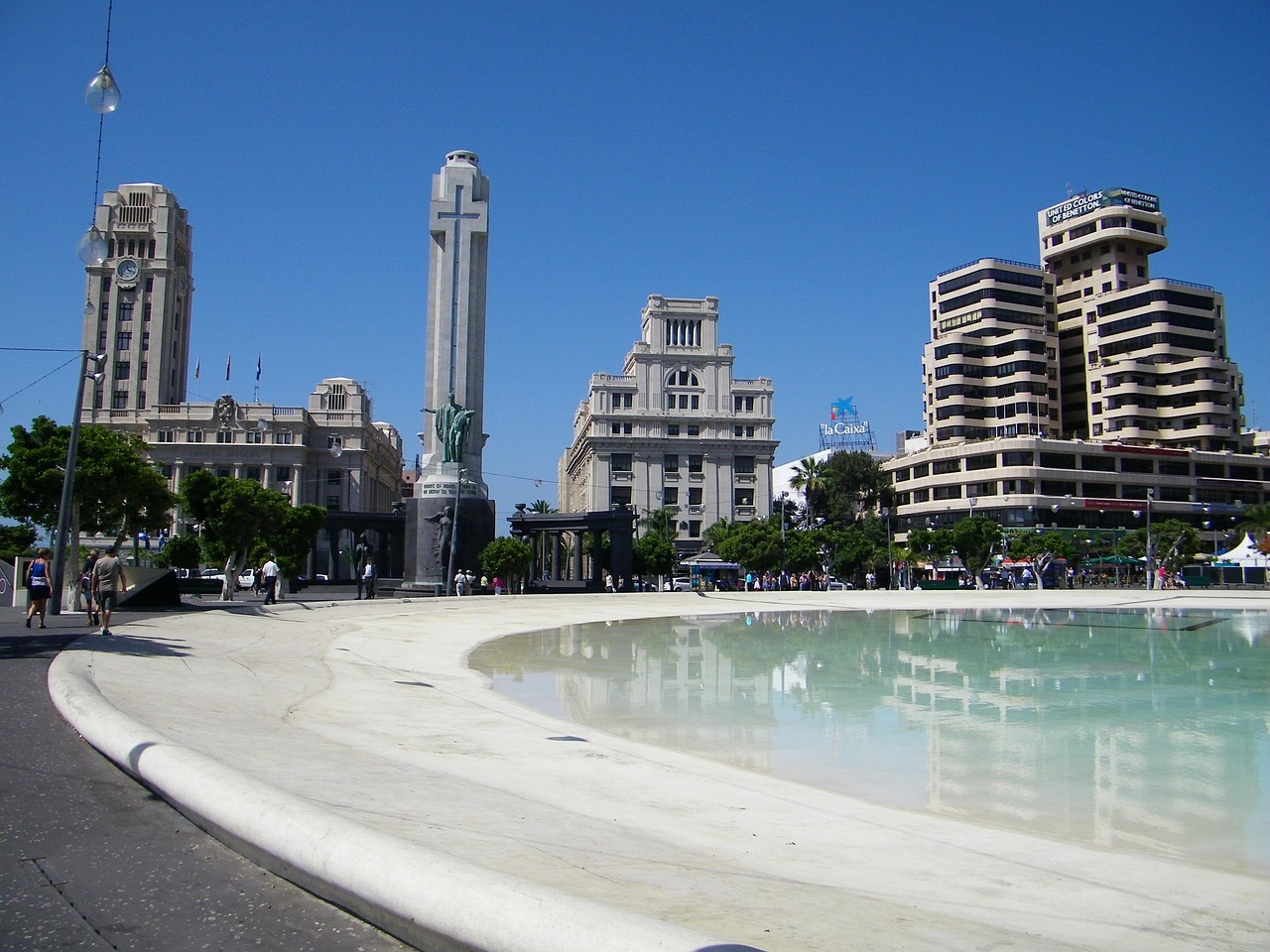
1Stage 1: Huelva (or Cádiz) to Santa Cruz de Tenerife and La Laguna (approx. 15 km)
- The drive
- Ferry crossing: from Huelva, Fred. Olsen Express usually sails twice a week to Santa Cruz de Tenerife, around 32 hours direct, or up to a good 42 hours with a stop in Las Palmas de Gran Canaria. From Cádiz there are less frequent sailings depending on the season; check the operator, timetable and duration in advance. Motorhomes travel on the garage deck, and the price depends on length and height; spaces on the garage deck are limited, so book early. From the port of Santa Cruz, the TF-5 climbs in a quarter of an hour to La Laguna at a good 500 m.
- Highlights & must-sees
- Mercado de Nuestra Señora de África in Santa Cruz: market hall with fruit, goat's cheese and mojo sauces – for your first shopping after the crossing.
- Auditorio de Tenerife by Santiago Calatrava on the harbour promenade.
- Old town of San Cristóbal de La Laguna (UNESCO World Heritage Site): a grid layout regarded as the model for colonial towns in Latin America, with the cathedral and wooden balconies on Calle San Agustín.
- CampingSpirit overnight tip
-
Official campsite or RV park: There is no campsite in either Santa Cruz or La Laguna. The nearest legal option for the first night is the Cabildo's zonas de acampada in the forest above La Esperanza, for example Las Raíces in the municipality of El Rosario: Las Raíces is one of the Cabildo's zones with its own area for motorhomes and caravans: basic pitches in pine forest with no electricity, no waste disposal and no drinking water; toilets and barbecue areas of the adjoining recreation area only during its opening hours.
Free camping or nature tip (where legal): The zonas de acampada can only be used with prior permission from the Cabildo, which is booked free of charge through its online platform Tenerife ON (account required, no more than 21 days in advance); stays are limited to a maximum of seven days, followed by a seven-day blocking period. Carry the permit printed out or on your phone. You may only sleep on the allocated area, not in the car park in front of it. In Santa Cruz and La Laguna, overnight stays on streets and in car parks in residential areas are increasingly checked.
- Insider tip for campers
- You may not access your vehicle on the garage deck during the crossing – take a bag with clothes, medication and charging cables to your cabin beforehand, and turn off the gas bottles before loading. On arrival the town is quickly reached from the port; before driving on, stock up at one of the large supermarkets along the TF-5. Many travellers skip the long crossing altogether and hire a camper or converted van on Tenerife – often the handier vehicle on the narrow island roads.
2Stage 2: La Laguna to Anaga mountains (Taganana, Benijo) and back (approx. 75 km)
- The drive
- From La Laguna via Las Mercedes on the TF-12 into the laurel forest of the Parque Rural de Anaga, past Cruz del Carmen and Pico del Inglés to the El Bailadero junction; through the short tunnel and on the TF-134 in tight hairpins down to Taganana, then along the coast to Benijo, where the road ends. The TF-12 is narrow, winding, often wet and foggy, with passing only in lay-bys. Return the same way or via San Andrés on the south coast. Pure driving time around 3 hours.
- Highlights & must-sees
- Mirador Pico del Inglés: view across the furrowed ridges of the Anaga mountains to Mount Teide when the trade-wind cloud lies low.
- Cruz del Carmen visitor centre with the short “Sendero de los Sentidos” through the laurel forest.
- Taganana with the church of Nuestra Señora de las Nieves, and beyond it the beaches of Roque de las Bodegas and Benijo with the rock pinnacles of the Roques de Anaga.
- CampingSpirit overnight tip
-
Official campsite or RV park: There is no campsite and no official motorhome aire in the Anaga mountains. Spend the second night again in one of the Cabildo's zonas de acampada above La Esperanza, or drive on north; reserve pitches in advance.
Free camping or nature tip (where legal): Anaga is a Parque Rural and UNESCO Biosphere Reserve; camping outside authorised zones is prohibited there, and the narrow parking bays on the TF-12 are no place for the night. At Benijo beach parking is scarce, and overnight stays are not intended. A limit on visitor traffic in Anaga is under discussion – check the Cabildo's current notices before you go.
- Insider tip for campers
- For vehicles over around 7 m, Benijo is the limit: there is hardly any room to turn at the end of the road. Larger motorhomes are better parked in Taganana or at Roque de las Bodegas, walking the last stretch. Start early – from late morning the hire cars and service buses arrive. In thick fog on the TF-12, better to wait; dipped headlights are compulsory.
3Stage 3: La Laguna to Garachico via Puerto de la Cruz (approx. 65 km)
- The drive
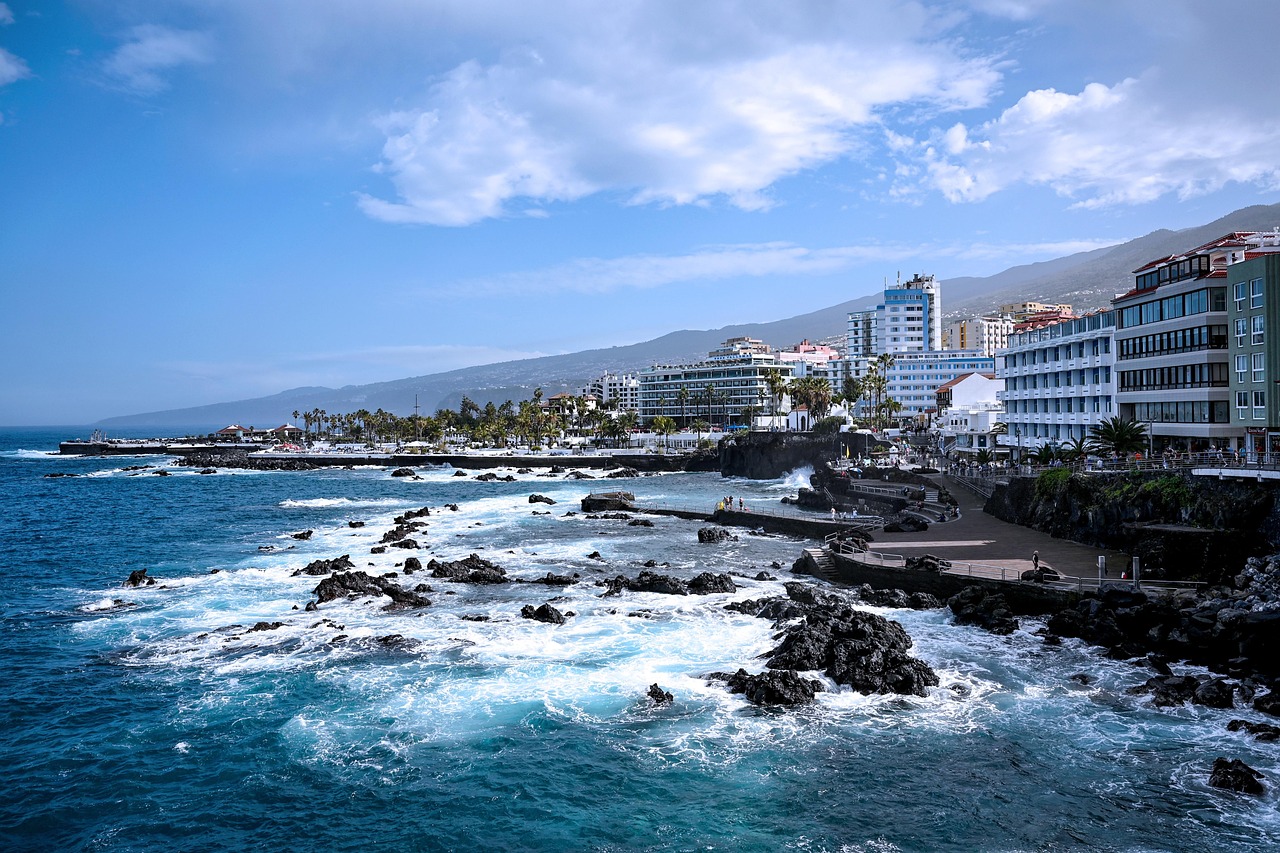
- On the TF-5 through the Orotava valley down to Puerto de la Cruz (around 35 km, dual carriageway), then on the coast road TF-42 via Los Realejos, San Juan de la Rambla and Icod de los Vinos to Garachico. Beyond Puerto the road becomes more winding and the village through-roads are narrow. A good 1.5 hours' driving.
- Highlights & must-sees
- Lago Martiánez in Puerto de la Cruz: seawater pools and lava terraces designed by César Manrique.
- Drago Milenario in Icod de los Vinos, the most famous dragon tree in the Canary Islands, in the Parque del Drago.
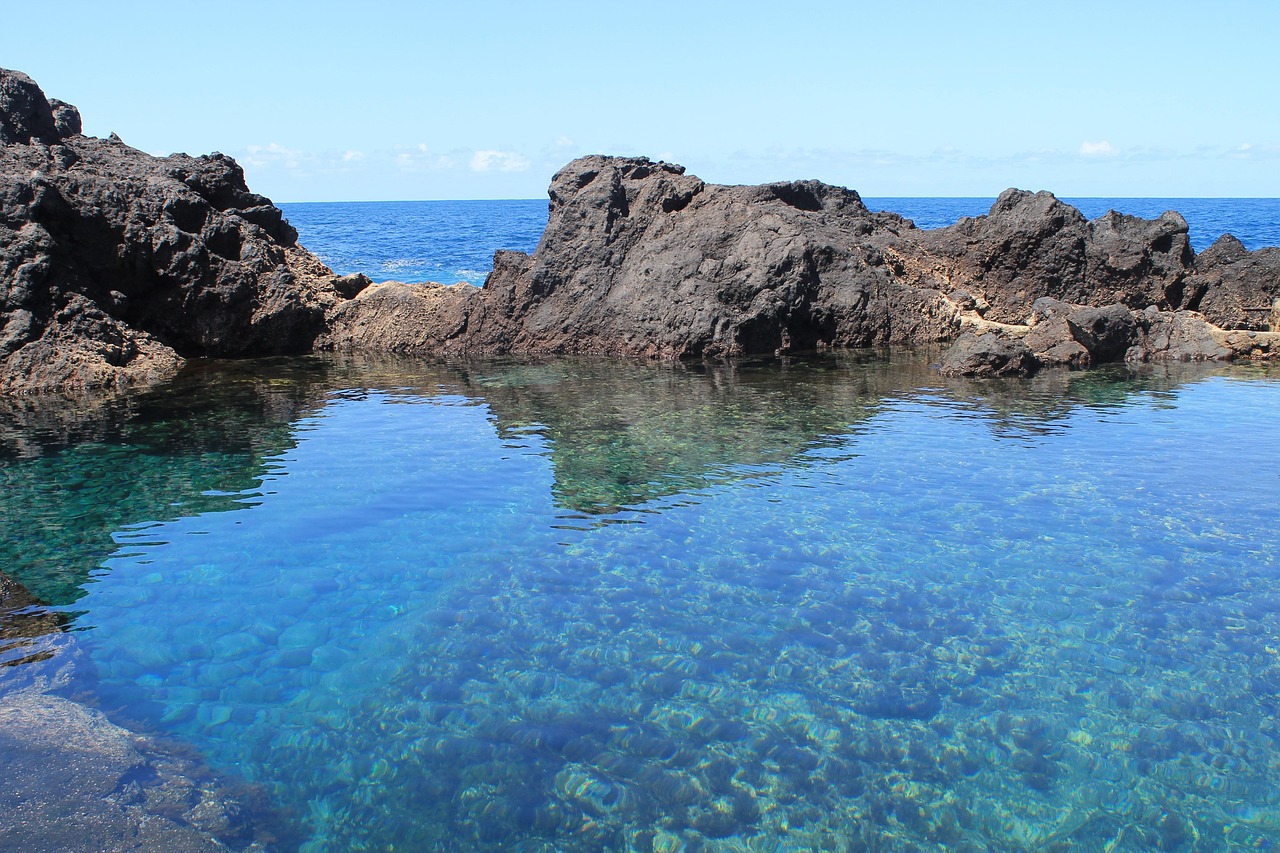
- Garachico: lava from the 1706 eruption buried the harbour; today you can swim in the natural pools of El Caletón next to the Castillo de San Miguel.
- CampingSpirit overnight tip
-
Official campsite or RV park: The north coast also lacks campsites. Above Garachico, in pine forest at around 1,240 m, lies the Cabildo's Arenas Negras zona de acampada with a few pitches for motorhomes – permit via Tenerife ON, no water or waste services, no drinking water. Access via the TF-373 and finally a forest track; at night it is considerably cooler there than on the coast.
Free camping or nature tip (where legal): Puerto de la Cruz and the coastal towns are densely built up; overnight stays at the roadside or in beach car parks regularly lead to complaints and checks here. If you follow the Spanish parking rules (nothing extended, nothing emptied), you may sleep in your vehicle in permitted car parks unless local signs say otherwise – but in the bathing coves this is hard to justify.
- Insider tip for campers
- In Puerto de la Cruz, park the camper outside the centre; the old town is narrow and full of one-way streets, and underground car parks have height restrictions. In Garachico, the car park at the western entrance to the town on the coast road is the best choice. Fuel is considerably cheaper on the Canary Islands than on the mainland, because the lower Canarian IGIC applies instead of Spanish VAT.
4Stage 4: Garachico to Los Gigantes via Masca (approx. 45 km)
- The drive
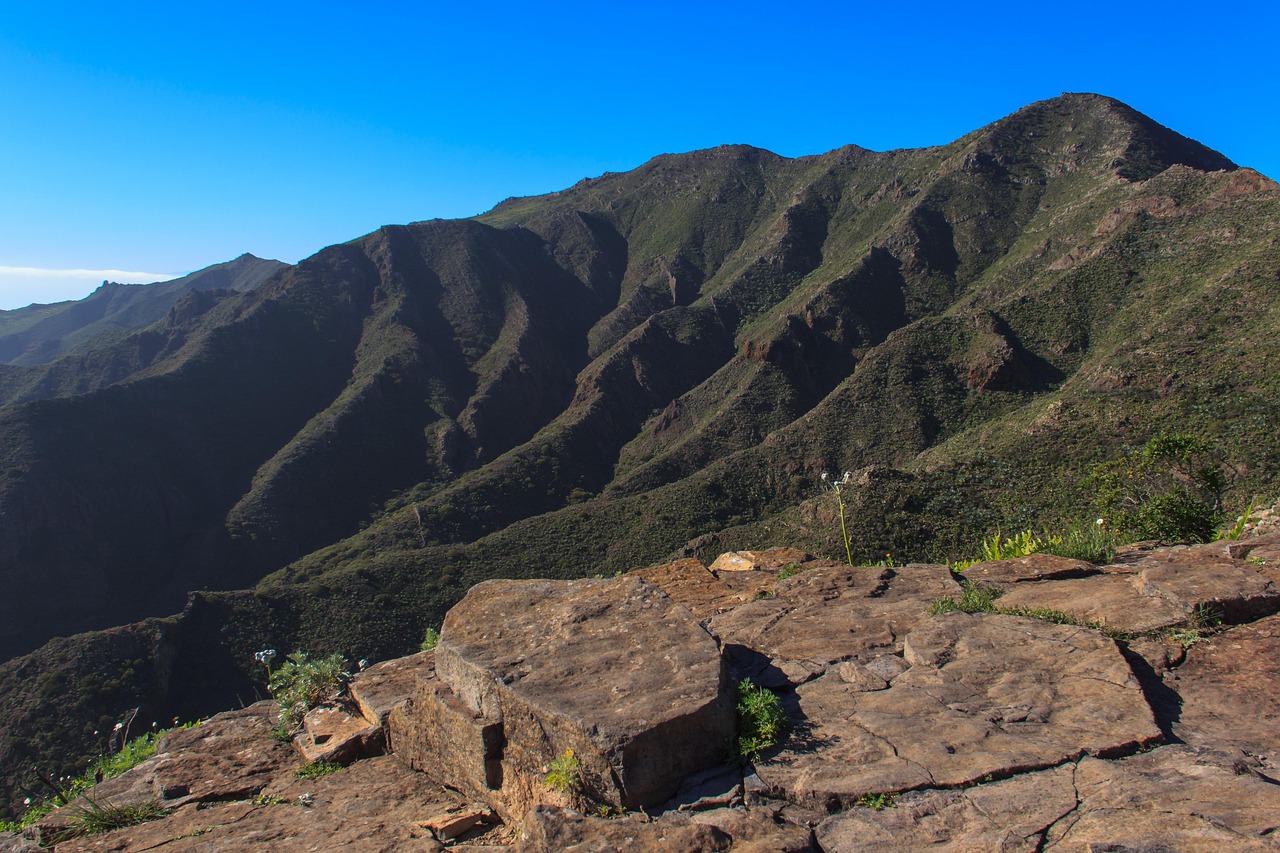
- Via Buenavista del Norte onto the TF-436 through the Teno mountains: via El Palmar and Las Portelas up to the pass above Masca, down to Masca in tight hairpin bends and up again to the Mirador de Cherfe and Santiago del Teide. In places the road is only one lane wide, with a rock face on one side and a drop on the other, and passing places are rare. The route is not recommended for motorhomes over around 7 m; observe the length restrictions on the signs. From Santiago del Teide on the TF-82 and TF-454 down to Los Gigantes. About 1.5 hours.
- Highlights & must-sees
- Mirador de Cherfe: view into the barrancos of the Teno mountains and across to La Gomera.
- Masca: hamlet on a rocky ridge with palms, cacti and rubble-stone houses; the descent through the Barranco de Masca is only possible with a ticket booked in advance and a shuttle from Santiago del Teide.
- Acantilados de Los Gigantes: cliffs several hundred metres high, best seen from a boat; pilot whales live off the coast all year round.
- CampingSpirit overnight tip
-
Official campsite or RV park: There is no campsite between Teno and Los Gigantes. For the night, the Cabildo's zonas de acampada in the forests above the west coast are a good option, for example Chío on the TF-38 towards Mount Teide (municipality of Guía de Isora), one of the zones with an area for motorhomes – permit in advance, no water or waste services. Alternatively, drive straight on to stage 6 and the campsites in the south.
Free camping or nature tip (where legal): The Teno mountains are a Parque Rural; overnight stays at the miradores and in Masca are not permitted, and not feasible anyway because of the narrow space. In Los Gigantes and Puerto de Santiago, parking is scarce and taken up by tourists – no place for the night.
- Insider tip for campers
- Drive the TF-436 before 9 am and you will have the hairpins almost to yourself. When a forest-fire risk level is declared (Alerta or Alerta máxima), the Cabildo may close the TF-436 to Masca and access roads in the Teno mountains to visitor vehicles during the day; checkpoints are then set up at places including Las Lagunetas and Santiago del Teide, and service buses keep running. The spur road TF-445 to Punta de Teno is at times closed to private vehicles and only reachable by service bus – check the current status beforehand.
5Stage 5: Los Gigantes to Vilaflor via Teide National Park (approx. 85 km)
- The drive
- Via Chío on the TF-38 through pine forest and lava fields up to Boca Tauce at a good 2,000 m, the south-west gateway to the Parque Nacional del Teide. Detour on the TF-21 through the Las Cañadas caldera to the Roques de García and the cable car's base station at around 2,350 m – the highest point of the route. Back to Boca Tauce and on the TF-21 in long bends through the pine forest down to Vilaflor at around 1,400 m. Well built, but with constant climbs and descents; about 2.5 hours without breaks.
- Highlights & must-sees
- Roques de García: short circular walk around the rock formation with Mount Teide (3,715 m) in the background and a view over the Llano de Ucanca plain.
- Teleférico del Teide: cable car to around 3,555 m; the last metres of ascent to the summit (the “Telesforo Bravo” trail) only with a permit from the national park administration booked in advance, with a daily quota. In storms or ice the cable car does not run.
- Pino Gordo in Vilaflor, one of the mightiest Canary Island pines on the island, and the walk to the Paisaje Lunar with its pale pumice columns.
- CampingSpirit overnight tip
-
Official campsite or RV park: Camping is prohibited within the national park itself. Below it, in the Corona Forestal natural park on the TF-21 above Vilaflor, at over 1,500 m, lies the Cabildo's Las Lajas zona de acampada (municipality of Adeje) with an area for motorhomes next to a picnic site in the pine forest; permit in advance, no water or waste services, toilets only at weekends and on public holidays. In winter, night-time temperatures there can drop to freezing.
Free camping or nature tip (where legal): Overnight stays are not intended in the national park's car parks; the rangers carry out checks. Sunset at the Roques de García, yes – then head down to the zone with your permit or to the campsite on the coast. The Cabildo is planning access controls for Mount Teide, car parks requiring reservation, shuttle buses and a charge for non-residents; check the current status before you travel.
- Insider tip for campers
- The altitude makes itself felt: above 2,000 m walk more slowly, drink plenty, and do not climb further if you have a headache; people with heart or lung conditions and pregnant women should avoid the cable car. Book cable car tickets and the summit permit early. The car park at the base station is full around midday – arrive before 9 am. Drive downhill in a low gear: the TF-21 to Vilaflor is long and brakes overheat quickly. In winter the Cabildo may close the access roads in snow or ice.
6Stage 6: Vilaflor to Los Cristianos via El Médano (approx. 60 km)
- The drive
- From Vilaflor on the TF-21 and TF-51 down to Granadilla de Abona, then via San Isidro to the coast at El Médano. From there on the TF-1 west to Los Cristianos. Winding at first with steep descents, flat and fast from San Isidro. About 1 hour of pure driving time.
- Highlights & must-sees
- Montaña Roja: red volcanic cone between El Médano and La Tejita beach, short walk to the summit with a view of the windsurfers.
- Playa de El Médano: one of Europe's best-known windsurfing and kitesurfing spots, almost always lively thanks to the trade winds.
- Port of Los Cristianos with the ferry terminal, fishing boats and the beach promenade.
- CampingSpirit overnight tip
-
Official campsite or RV park: The island's few campsites are in the south: Camping Nauta near Cañada Blanca close to Las Galletas (municipality of Arona), open all year, with electric hook-ups, sanitary facilities and a pool, around 6 km from Los Cristianos – in high demand in winter, so reserve in good time. Camping Montaña Roja near La Tejita on the TF-643 between El Médano and Los Abrigos, open all year, takes motorhomes and caravans as well as tents and rental accommodation, and has a waste disposal station; reserve directly in advance.
Free camping or nature tip (where legal): Camping is prohibited around Montaña Roja (Reserva Natural Especial) and on the beaches of El Médano and La Tejita; the beach car parks have been a point of conflict for years because of long-staying campers, and the municipality carries out checks. A uniform motorhome regulation for the island is under discussion – the signs on site are what count.
- Insider tip for campers
- Fill up with water and empty your tanks before the crossing to La Gomera: at the campsite or at a filling station with a service point in the south, whose location you should check in advance in park4night or Campercontact. In El Médano the wind is often so strong that roof vents should stay closed; never leave the awning out.
7Stage 7: Los Cristianos to Valle Gran Rey (La Gomera) (approx. 45 km)
- The drive
- Ferry from Los Cristianos to San Sebastián de La Gomera, just under an hour depending on the operator (Fred. Olsen Express, Naviera Armas), several times a day; vehicles pay by length. From San Sebastián on the GM-2 in many bends up to the Degollada de Peraza, past the Roques near Agando into the Garajonay highlands and via Arure in steep hairpins down into Valle Gran Rey. About 1.5 hours' driving.
- Highlights & must-sees
- Torre del Conde and Iglesia de la Asunción in San Sebastián, where Columbus stopped in 1492 before crossing the Atlantic.
- Roque de Agando: volcanic plug on the GM-2 at the edge of the national park, photo stop at the mirador.
- Mirador de César Manrique (Palmarejo) above Valle Gran Rey with a view of the terraces down to the sea.
- CampingSpirit overnight tip
-
Official campsite or RV park: There is no campsite in Valle Gran Rey. The island's only campsite is Camping La Vista in El Cedro (municipality of Hermigua) at the edge of the national park at around 800 m, with sanitary facilities, hot showers and a restaurant; ask in advance about electricity and waste disposal. The access road is narrow and steep, better suited to panel vans than to large coachbuilt motorhomes.
Free camping or nature tip (where legal): In Valle Gran Rey and on the beaches, sleeping in your vehicle is frowned upon; parking is scarce and taken by locals. The rules differ from municipality to municipality and in some cases are not regulated at all – if in doubt, ask at the town hall. Camping is prohibited in Garajonay National Park.
- Insider tip for campers
- On La Gomera you drive on mountain roads without a break: allow half an hour for 20 km. Fill up in San Sebastián or Valle Gran Rey, as there are only a few filling stations. At the port of Los Cristianos, join the vehicle lane early; turn off the gas bottles even on the short crossing.
8Stage 8: Valle Gran Rey to Hermigua and San Sebastián via Garajonay (approx. 65 km)
- The drive
- From Valle Gran Rey up to Arure and Las Hayas, then on the GM-2 through Garajonay National Park past Laguna Grande; from the ridge heading north down to Hermigua (GM-1), through banana plantations into the valley. From Hermigua through the tunnel back to San Sebastián for the ferry. Winding but well-built roads; around 2 hours without breaks.
- Highlights & must-sees
- Alto de Garajonay (1,487 m): short climb from the Pajarito car park to the highest point on the island, with views of Mount Teide, La Palma and El Hierro in clear weather.
- Laurel forest of the national park (UNESCO World Heritage Site): circular walk near Laguna Grande or the path to El Cedro with its waterfall and the Ermita de Lourdes.
- Hermigua with its weaving workshop Los Telares, the seawater pool at Playa de Hermigua and the nearby Mirador de Abrante in Agulo with its glass viewing platform.
- CampingSpirit overnight tip
-
Official campsite or RV park: Camping La Vista in El Cedro, above Hermigua – see stage 7; the most practical place for the last night before the ferry. Apart from that there are no official motorhome aires on La Gomera; plan your arrival and departure ferries so that you do not have to rely on an improvised night.
Free camping or nature tip (where legal): Garajonay is a national park: no overnight stays in the Pajarito or Laguna Grande car parks or at the miradores. Since the major fire of 2012 the authorities have been particularly strict about fire – no barbecues, no gas stoves outside authorised places.
- Insider tip for campers
- In the laurel forest it is often foggy and wet: dipped headlights on, and expect cows and walkers on the road. Book the ferry back to Tenerife or to the mainland in advance; the connection back to Huelva or Cádiz leaves from Santa Cruz de Tenerife.
Camping practice & local rules
Wild camping & overnight parking
- The basic Spanish principle, also on the Canary Islands: sleeping in a legally parked vehicle is allowed, but camping with anything that extends beyond the vehicle's outline is not. Since 1 October 2026, Real Decreto 518/2026 (new Art. 92.4 of the Reglamento General de Circulación) explicitly sets out when a motorhome is correctly parked: no parts beyond the vehicle's outline (awning, table, chairs, supports), standing only on its wheels (levelling chocks allowed, no hydraulic jacks), no emptying of liquids. Municipalities may regulate general parking times, zones and maximum duration; rules for protected areas, coasts and tourism apply independently of this.
- For a long time the Canary Islands had no regulation of their own for campsites and motorhome areas; a Canarian regulation has been announced for years, and the Cabildo of Tenerife is also working on an island ordinance. Until then, very different municipal ordinances apply – or none at all. Signs and notices from the municipality take precedence.
- Almost half of Tenerife is under nature protection (national park, natural parks, Parques Rurales such as Anaga and Teno, nature reserves). Camping outside the designated zones is prohibited there. You can stay overnight legally on the few campsites or in the zonas de acampada of the island governments (Cabildos).
- Zonas de acampada on Tenerife: only with prior, free permission via the Cabildo's Tenerife ON platform, for a maximum of seven days, ID required for everyone travelling. Only a few zones have their own areas for motorhomes and caravans (including Las Raíces, Arenas Negras, Chío and Las Lajas), each without electricity, water or waste services and without drinking water. Portable barbecues and hammocks are prohibited, as is sleeping in the car park in front of the zone; cooking is only allowed during the day at the cooking points of the recreation area. Zones may be closed at short notice in severe weather or high forest-fire risk.
- Forest fires and calima: during Saharan dust (calima) and heat, the Government of the Canary Islands declares the levels Prealerta, Alerta or Alerta máxima for forest-fire risk. All kinds of fire are then prohibited, zonas de acampada and recreation areas may be closed, and on Tenerife access to Masca and parts of the Teno mountains may be closed to visitors during the day. In August 2023 almost 15,000 hectares of forest burned on Tenerife, and in 2012 part of Garajonay burned – the authorities act correspondingly strictly. Follow the warnings from AEMET and the Cabildos.
- Apps: park4night and Campercontact for water and waste services and current user reports; many entries on the islands are car parks without any tolerance – read the reviews critically.
Waste disposal & supplies
- Service points for water and waste are rare on Tenerife and almost non-existent on La Gomera. Campsites and individual filling stations in the south of Tenerife are the most reliable points; check locations in advance in the apps and use every opportunity.
- Empty grey water and cassette only at stations – on the small islands with their barrancos and beach car parks, illegal dumping is especially visible and is reported.
- Drinking water: in many places the tap water on the islands is desalinated or heavily mineralised; many locals drink bottled water. Boil or treat tank water for cooking, and buy drinking water in containers.
- Gas: on the Canary Islands the bottles of the island supplier DISA are widespread; German bottles are not exchanged or refilled, and Campingaz bottles are available in specialist shops. Autogas (LPG) for refillable bottles is hardly available on the islands – cross over with full bottles or a full tank and check stations in advance in an LPG app.
- Fuel is cheaper on the Canary Islands than on the Spanish mainland because of the lower IGIC tax. On La Gomera there are only a few filling stations, mainly in San Sebastián, Hermigua and Valle Gran Rey.
Vehicle size & traffic rules
- Speed limits: motorhomes up to 3.5 t 120 km/h on autopistas and autovías (on Tenerife the TF-1 and TF-5), 90 km/h on country roads; over 3.5 t and vehicle combinations 90 km/h on motorways, 80 km/h outside built-up areas. 50 km/h in built-up areas, 30 km/h on roads with one lane in each direction.
- Tolls: there are no motorway tolls or vignettes on Tenerife or La Gomera. Low-emission zones (ZBE) are planned in Santa Cruz de Tenerife and La Laguna, but in practice are not yet an issue for visitors passing through – check the current status in advance.
- Dimensions: 4 m height, 2.55 m width and 12 m length are permitted – in practice the mountain roads to Masca, Benijo or El Cedro are barely drivable for vehicles over around 7 m. Length restrictions on the TF-436 to Masca apply as signed. Underground car parks in the towns mostly have a clearance of around 2 m.
- Emergencies: since 1 January 2026 the connected V16 warning light has been compulsory for vehicles registered in Spain and replaces the warning triangle; according to the DGT, vehicles registered abroad continue to comply with the rule using their own country's warning triangles. A high-visibility vest is compulsory when getting out on the road. If a load protrudes beyond the rear, the V-20 warning panel (50 × 50 cm) is required.
- Alcohol 0.5 ‰ (0.3 ‰ for novice and professional drivers); mobile phones at the wheel prohibited, fine €200 plus points. Emergency number 112.
- Ferry and customs: the Canary Islands are not part of the EU VAT area. For your own vehicle this changes nothing on a trip, but duty-free allowances apply to goods when returning to the mainland (for example tobacco and alcohol). Turn off the gas system during the crossings and read the operator's rules on pets and gas in advance.
CampingSpirit packing & preparation checklist
- Bag for 30 to 40 hours of ferry crossing with clothes, medication and chargers – the garage deck is closed during the voyage.
- Warm jacket, hat and sleeping bag with a comfort rating of around 0 °C: on Mount Teide and in the zonas de acampada in the pine forest, night-time temperatures in winter drop to freezing, while it is 25 °C on the coast.
- FFP2 masks and a spare cabin air filter for calima days, when fine Saharan dust hangs in the air.
- Water containers and purification treatment: service points are rare, and tap water is often desalinated.
- Printouts or offline copies of all permits: zonas de acampada, Teide summit, cable car, Barranco de Masca ticket and ferry bookings.
- Have brakes, brake fluid and clutch checked before the trip – the descents from Mount Teide and to Valle Gran Rey are long and steep.
As of 2026-10. Closures, fees and booking rules change: check official sources before you go.