

In-depth guide · CampingSpirit
From Győr via Pannonhalma Archabbey, Pápa and Esterházy Palace to Sopron, through Kőszeg and Szombathely into the hills of the Őrség and via Szentgotthárd to Zalaegerszeg: around 550 kilometres along the borders with Austria and Slovenia.
The spirit of the route
Western Hungary is the quiet Hungary. No puszta horizon, but gentle hills, orchards and beech forest, and in between them baroque towns whose townhouses look more like Vienna than Budapest. In Győr three rivers meet, Benedictine bells have rung over Pannonhalma for more than a thousand years, and in Sopron you climb a fire tower that stands above Roman walls. At the reedy edge of the Fertő the air smells of water and hay, in Kőszeg of freshly baked bread beneath the arcades. In the south the land becomes small-scale: in the Őrség, farmsteads stand in loose hamlets, the szerek, on forest clearings, pumpkin fields reach to the edge of the woods, and from the open sliding door you see morning mist over the stream valleys of the Rába. Add to that thermal pools in Pápa, Bük, Szentgotthárd and Zalaegerszeg – and a border you mostly notice only by the signs.
Stage-by-stage plan
1Stage 1: Győr to Pápa (via Pannonhalma) (approx. 75 km)
- The drive
- Győr on foot in the morning, then south-east on Road 82 and up to Pannonhalma at Ravazd; the access road to the abbey on Saint Martin's Hill is winding and narrow, with visitor car parks at the top. Continue on country roads through Tét and the flat Marcal foreland to Pápa. Mostly quiet, well-built roads, around 1.5 hours of pure driving time.
- Highlights & must-sees
- Győr: Káptalandomb (Chapter Hill) with the basilica and the herm of Saint Ladislaus, Széchenyi tér and the oriel-windowed houses of the baroque old town at the confluence of the Mosoni-Duna, Rába and Rábca.
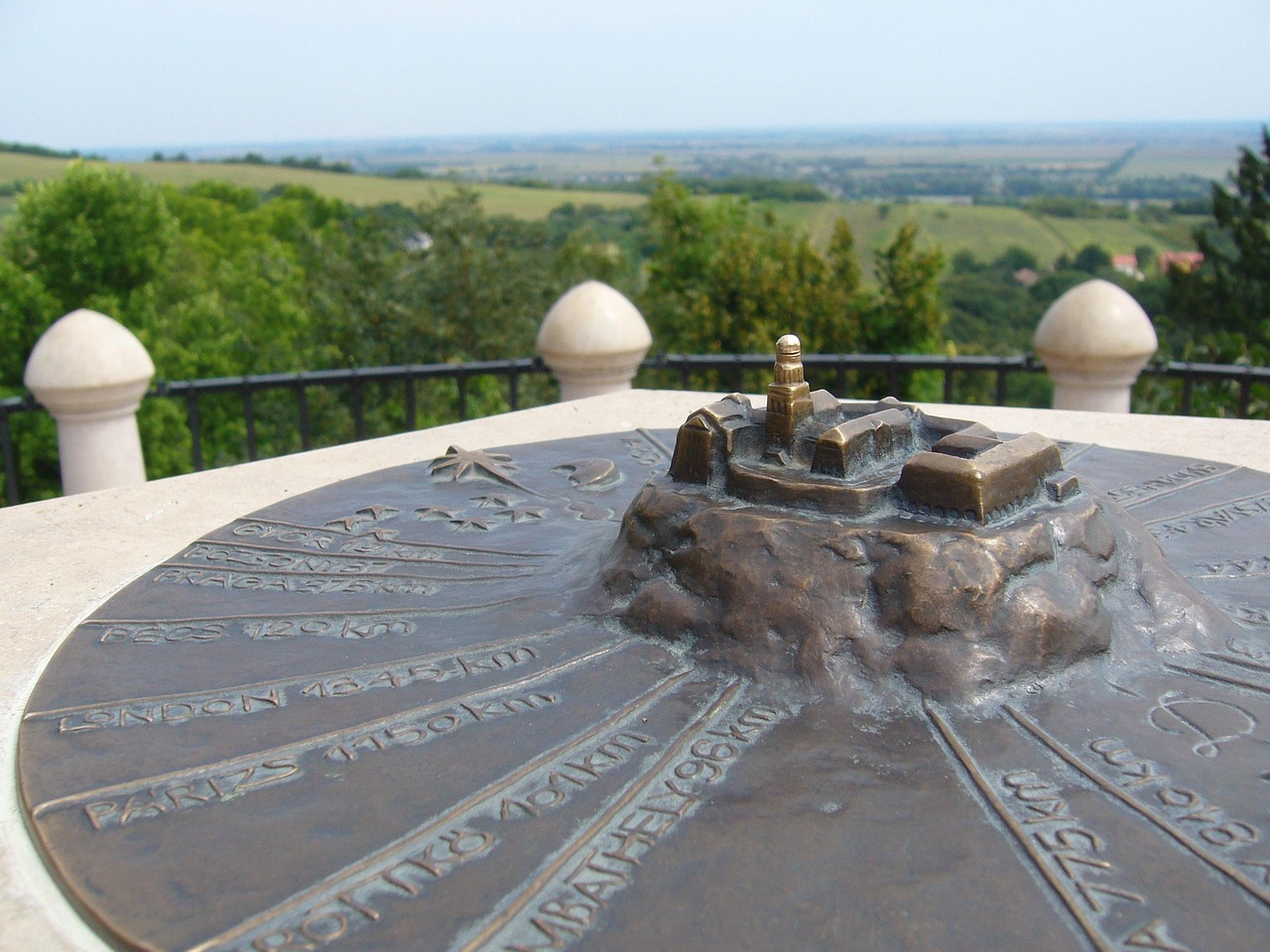
- Pannonhalma Archabbey, founded in 996 and a World Heritage Site: basilica, neoclassical library, arboretum and lavender fields on the slope; below it the abbey winery with wine tasting.
- Pápa: Esterházy Palace, the neoclassical Great Church on the main square and the Blue-Dyeing Museum (Kékfestő Múzeum) in a historic dye works.
- CampingSpirit overnight tip
-
Official campsite or RV park: Next to the thermal baths in Pápa is Várkert Termál Camping, with electric hook-ups, sanitary facilities and a motorhome area right by the Várkertfürdő; check the season and fresh water/waste disposal in advance. If you arrive in Győr the evening before, stay at Tópart Camping on the edge of town – check operation and season beforehand.
Free camping or nature tip (where legal): Wild camping is prohibited in Hungary. The car parks at Pannonhalma Abbey are for day parking, and paid parking applies throughout central Győr. On this stage you stay on campsites.
- Insider tip for campers
- Győr's old town is largely traffic-calmed – leave the camper in one of the large car parks on the edge of the centre, for example on the Rába riverbank, and walk. The Rába Quelle thermal baths are within walking distance of the old town. In Pannonhalma individual visitors can tour the abbey with an audio guide; book German-language guided tours and visits to the abbey winery in advance. Check opening times in advance; on church feast days access to the basilica is restricted for visitors.
2Stage 2: Pápa to Hegykő (via Fertőd and Sarród) (approx. 95 km)
- The drive
- North-west on country roads to Csorna, then on Road 85 to Kapuvár and on minor roads along the edge of the Hanság marsh to Fertőd. Dead-straight tree-lined roads through farmland and meadows, hardly any climbs; watch out for cyclists and tractors in the villages. Around 1.5 hours.
- Highlights & must-sees
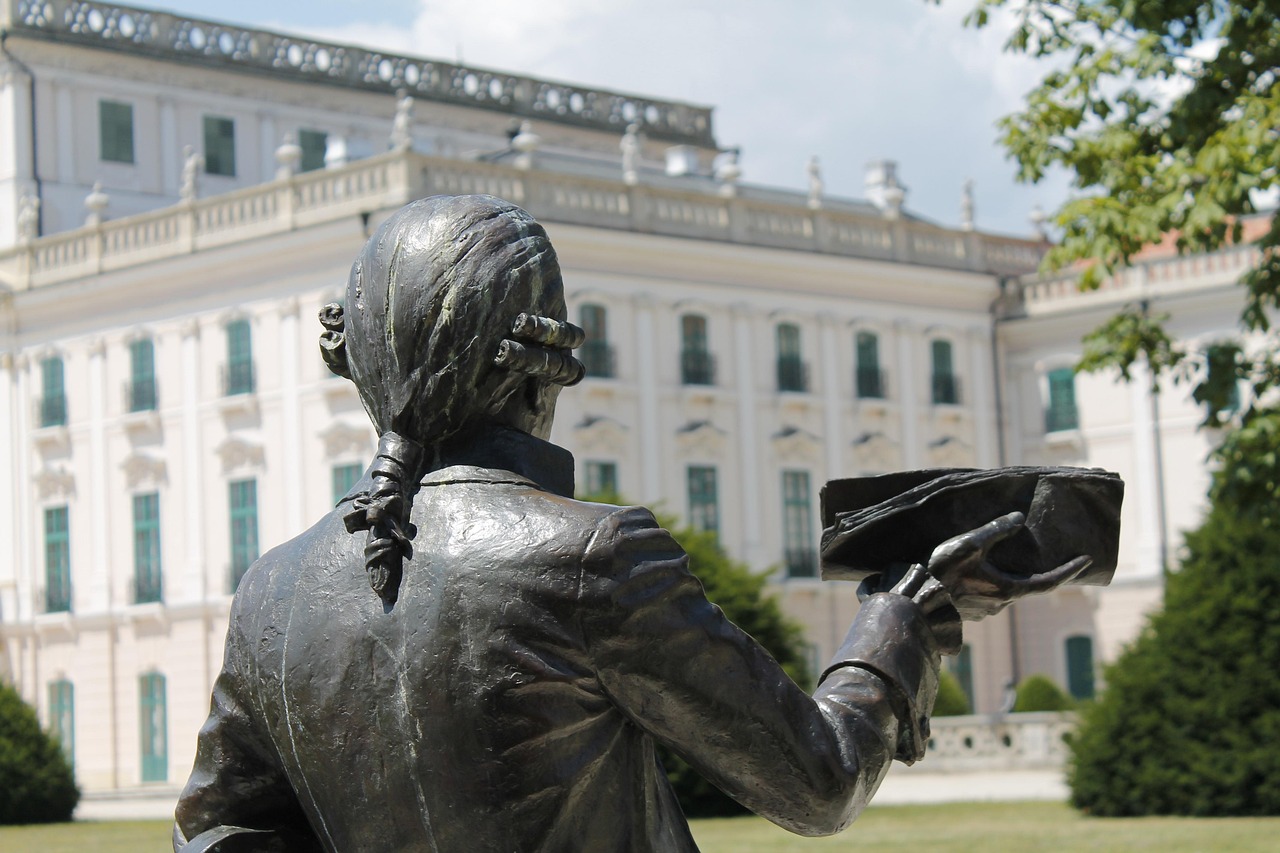
- Esterházy Palace in Fertőd: the largest baroque residence in Hungary, with state rooms, music room and French garden – Joseph Haydn worked here as court Kapellmeister for almost three decades.
- Kócsagvár visitor centre of Fertő-Hanság National Park in Sarród with an exhibition, plus the nature trail and observation tower into the reed beds and salt meadows on the Hungarian southern shore of the Fertő.
- Lászlómajor near Sarród: the national park's estate farm with old Hungarian livestock breeds such as grey cattle, water buffalo and Racka sheep.
- CampingSpirit overnight tip
-
Official campsite or RV park: Sá-Ra Termál Kemping in Hegykő, a few kilometres west of Fertőd, lies by the village's thermal baths; electric hook-ups, sanitary facilities and access to the baths – check facilities and season in advance. Right in Fertőd, Dori Hotel-Camping runs a small site; ask in advance whether it is open.
Free camping or nature tip (where legal): The Hungarian part of the Fertő belongs to Fertő-Hanság National Park and to the Fertő/Lake Neusiedl Cultural Landscape World Heritage Site. Field tracks and shore zones are partly core zone; overnight stays outside campsites are prohibited and rangers carry out checks. The Hungarian part of the lake is almost entirely reed belt – there is hardly a free spot on the shore there anyway.
- Insider tip for campers
- At Fertőd Palace there are visitor car parks opposite the main entrance; arrive early with large vehicles. For the nature trail at the Fertő, pack binoculars and insect repellent. The Austrian side of the lake, with Seewinkel, Rust and Mörbisch, is covered by the CampingSpirit guide from Passau through the Wachau to Lake Neusiedl.
3Stage 3: Hegykő to Sopron (via Fertőrákos) (approx. 35 km)
- The drive
- Via Fertőhomok and Balf along the edge of the hills to Fertőrákos and on the short, gently undulating road into Sopron. Only a few kilometres, but in town there are one-way streets and narrow approaches to the old town. Around 45 minutes; the day belongs to Sopron.
- Highlights & must-sees
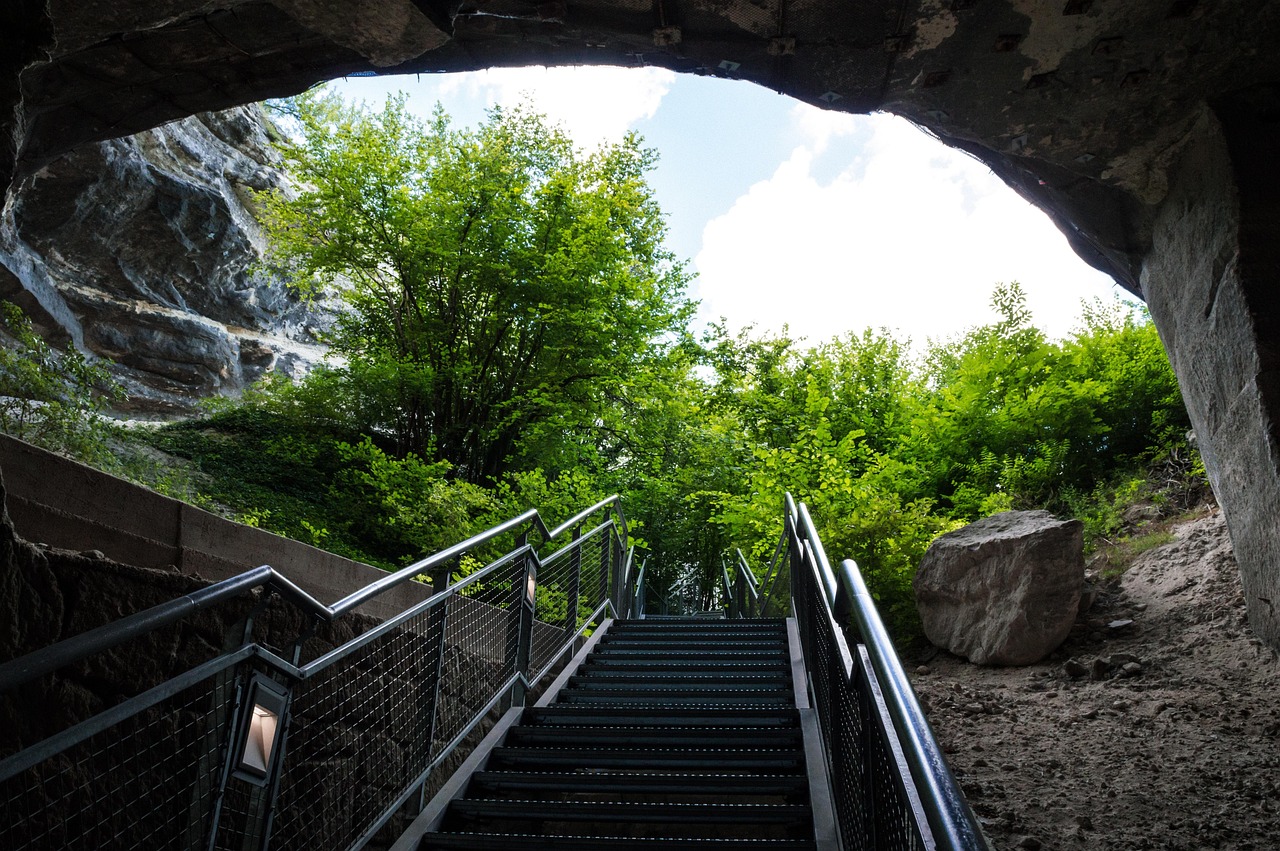
- Fertőrákos quarry (Kőfejtő): halls cut into Leitha limestone, from which parts of Vienna and Sopron were built, now home to a cave theatre.
- Sopron: the Fire Tower (Tűztorony) above the town gate with a panoramic view over the tiled roofs, the main square with the Trinity Column, Storno House and the Goat Church, and the Roman wall remains along the ring.
- Pan-European Picnic memorial park between Sopron and Fertőrákos, where in August 1989 hundreds of East German citizens walked across the open border.
- CampingSpirit overnight tip
-
Official campsite or RV park: In Fertőrákos the small Szent Kristóf Camping lies in the middle of the village, a shady meadow for tents and caravans with electric hook-ups; between Sopron and Balf there is also the Sopron-Balf campsite. Check operation, season, suitability for larger motorhomes and fresh water/waste disposal in advance. Buses run from Fertőrákos to Sopron, or you can cycle the just under 10 kilometres into town.
Free camping or nature tip (where legal): The hills around Sopron and Fertőrákos lie within protected landscape and national park areas, and Sopron has extensive paid parking zones. Overnight stays in the vehicle outside designated sites are not tolerated here – close to the border, checks also take place at night.
- Insider tip for campers
- Do not drive into the old town inside the ring; use car parks on the edge of the centre and walk. Wine tasting: Sopron is the capital of Kékfrankos (Blaufränkisch); the cellar taverns of the Poncichter, the old German-speaking winegrowers, are in the suburb around Balfi utca and Szent Mihály utca. As the limit is 0.0 per mille, do not drive again on tasting day.
4Stage 4: Sopron to Kőszeg (via Nagycenk and Bük) (approx. 70 km)
- The drive
- South-east on Road 84 to Nagycenk, then on country roads along the border through villages with orchards, via Csepreg and the detour to Bükfürdő, to Kőszeg. Flat to gently hilly, quiet, around 1.5 hours.
- Highlights & must-sees
- Nagycenk: Széchenyi Palace with the memorial museum for István Széchenyi and the long lime avenue, plus a heritage railway with a steam locomotive.
- Bükfürdő: large medicinal and thermal baths – a break in the warm pool halfway along the route.
- Kőszeg: Jurisics tér with the Heroes' Gate, townhouses and the Golden Unicorn Pharmacy, above it Jurisics Castle, where an Ottoman army was held up for days in 1532.
- CampingSpirit overnight tip
-
Official campsite or RV park: Gyöngyvirág Camping lies on the edge of Kőszeg with a footpath into the old town; a small, simple site mainly for tents and smaller vehicles – check facilities, season and operation in advance. More comfort is offered by the campsites in Bükfürdő, around 20 kilometres east, such as Thermal Camping Bükfürdő (open all year) or Romantik Camping; check pitch sizes and waste disposal in advance.
Free camping or nature tip (where legal): The forests of the Kőszeg Mountains belong to the nature park and partly to Őrség National Park; forest tracks are closed to motor vehicles and overnight stays at forest car parks are prohibited. In Kőszeg itself the car parks on the edge of the old town are for day parking.
- Insider tip for campers
- The border villages between Sopron and Kőszeg are closely linked with Burgenland; many commuters cross the border in the morning and evening – avoid rush hour. Fill up and shop in Bük before heading into the hills. Kőszeg's old town is small and full of twists and turns; do not drive into it with the camper.
5Stage 5: Kőszeg to Őriszentpéter (via Velem, Szombathely and Ják) (approx. 105 km)
- The drive
- South-west of Kőszeg on narrow roads through Cák and Velem at the foot of the Kőszeg Mountains, then down to Szombathely. From there south via Ják and Körmend and on Road 86 or country roads into the Őrség. Winding and narrow along the edge of the mountains, well built after that; finally through forest and small hamlets. Around 2.5 hours.
- Highlights & must-sees
- Írottkő (around 882 m), the highest peak in Western Transdanubia: a lookout tower right on the border with Austria, reached on foot from Velem or from the hikers' car park near Kőszeg.
- Szombathely, Roman Savaria: the reconstructed Temple of Isis (Iseum Savariense) and the ruin garden with a stretch of paved Amber Road and mosaics.
- Ják: the Romanesque abbey church of St George from the 13th century with its richly articulated west portal – one of the most important Romanesque churches in Hungary.
- CampingSpirit overnight tip
-
Official campsite or RV park: In Őriszentpéter the Őrség National Park directorate also rents out pitches for caravans or motorhomes and tents at the Keserűszer guesthouse; electricity and sanitary facilities are basic – ask the national park about availability in advance. Further small kempingek and farmsteads with pitches can be found in the surrounding szerek; many are only listed on park4night or in Hungarian.
Free camping or nature tip (where legal): Large parts of the Őrség are national park. Forest tracks and meadows between the hamlets are private land or protected area; wild camping is prohibited. Farm owners often allow overnight stays for a small fee – only with explicit permission.
- Insider tip for campers
- Cák has a row of thatched wine cellars on the edge of the village, a short photo stop. In Szombathely do not drive into the centre; the Iseum has car parks nearby – check height and length limits on site. Before the Őrség, fill up, shop and get cash in Körmend – the villages only have small shops.
6Stage 6: Őriszentpéter to Őriszentpéter (loop via Szalafő, Magyarszombatfa and Velemér) (approx. 60 km)
- The drive
- A loop on narrow tarmac roads: west to Szalafő-Pityerszer, back and south via Kerkáskápolna or Bajánsenye to Magyarszombatfa and east to Velemér, then back via Kisrákos. Hilly, winding, often single-track with passing places; hardly any traffic. A good 1.5 hours of pure driving time, a full day with sightseeing.
- Highlights & must-sees
- Pityerszer open-air museum in Szalafő: a preserved szer with log houses, smoke kitchens and barns in their original setting on the clearing.
- Őriszentpéter: the Romanesque church from the Árpád era on the hill above the village, with its round-arched portal.
- Velemér: the small Holy Trinity Church with frescoes by Johannes Aquila from the 14th century, and Magyarszombatfa with the Potter's House (Fazekasház), where the black- and red-fired Őrség pottery is made.
- CampingSpirit overnight tip
-
Official campsite or RV park: Second night at the same site in Őriszentpéter; this keeps the camper light for the loop, and waste disposal is done at the site.
Free camping or nature tip (where legal): The meadows and forest edges along the loop are national park or private land. At the car park of the Pityerszer open-air museum and at the church in Velemér only day parking is intended; if you want to experience the evening near Velemér, ask at the farmsteads in the area.
- Insider tip for campers
- The church in Velemér is not always open; arrange visiting times or the key beforehand via the visitor centre or the tourist information in Őriszentpéter. On the single-track roads, pull into the passing places early when meeting oncoming traffic. Farm shops sell pumpkin seed oil, honey and farmhouse bread – often for cash only.
7Stage 7: Őriszentpéter to Zalaegerszeg (via Szentgotthárd and the tripoint) (approx. 110 km)
- The drive
- North-west over wooded hills and via Kondorfa to Szentgotthárd on the Rába, with a short detour to Felsőszölnök and the tripoint, then on Road 8 to Körmend and on country roads south-east via Zalalövő into the Zala valley to Zalaegerszeg. Winding and narrow at first, well built from Szentgotthárd, with lorry traffic on the 8. Around 2.5 hours.
- Highlights & must-sees
- Hungary–Austria–Slovenia tripoint near Felsőszölnök: a boundary stone on a forest clearing, reachable on foot from the car park.
- Szentgotthárd: baroque Cistercian church, reminders of the 1664 battle on the Rába and the St. Gotthard thermal baths for a long break.
- Zalaegerszeg: the Göcsej Village Museum (Göcseji Falumúzeum), an open-air museum on the bank of the Zala, and the Oil Museum, which recalls the region's oil fields.
- CampingSpirit overnight tip
-
Official campsite or RV park: On the edge of Zalaegerszeg is the thermal village with campsite at the Aquatherma thermal baths (Aquatherma Termálfalu és Kemping); electricity and sanitary facilities – check the season and motorhome pitches in advance. If you want to stay in Szentgotthárd, ask in advance about current camping or motorhome pitch options at the thermal baths – the choice in town is small.
Free camping or nature tip (where legal): The area around the tripoint is forest, partly nature park on all three sides; overnight stays at the car park are not intended. In Slovenia, free parking overnight outside designated sites is also prohibited, and in Austria it is prohibited or heavily restricted depending on the federal state – switching across the border gains you nothing.
- Insider tip for campers
- Empty your tanks in Őriszentpéter before leaving the Őrség. In Szentgotthárd fuel is readily available thanks to the proximity of Austria; compare prices. If you are continuing from here to Slovenia, you will find eastern Slovenia with Prekmurje in the CampingSpirit guide from Celje to Prekmurje; Lake Balaton is a good hour to the east and has its own CampingSpirit guide.
Camping practice & local rules
Wild camping & overnight parking
- Wild camping is prohibited in Hungary. This route passes through Fertő-Hanság and Őrség national parks, the Fertő/Lake Neusiedl Cultural Landscape World Heritage Site and the nature park in the Kőszeg Mountains; there, overnight stays in the vehicle outside designated sites and leaving marked paths in protected zones are prohibited.
- Parking is not camping: a single night in an unsigned car park away from protected areas is sometimes tolerated, but there is no right to it. An awning, chairs or lowered levelling jacks count as camping. Municipalities, police and national park rangers carry out checks; near the border the police are also out more often at night.
- In dry summers the forestry authority often imposes nationwide fire bans; barbecues at forest car parks are then prohibited too. Check the current status before a barbecue evening.
- You can stay legally at kempingek, on motorhome pitches (lakóautó parkoló), at thermal baths with their own site and at farms or wineries with permission. Apps: park4night, Campercontact, Stellplatzführer; many small sites in the Őrség are only listed there or in Hungarian.
Waste disposal & supplies
- Public fresh water and waste disposal stations are rare in western Hungary. Plan to service the vehicle at campsites and thermal campsites, typically in Pápa, Hegykő, Bükfürdő and Zalaegerszeg; fill up with water and empty your tanks before the Őrség.
- Empty grey water and cassette only at stations – not at forest car parks, not in the reed belt of the Fertő and not into the streams of the Őrség.
- Tap water is generally drinkable; on campsites look out for signs (“ivóvíz” = drinking water). Thermal water from baths is not drinking water.
- Gas: Hungarian exchange cylinders do not fit German connections. Autogas (LPG, “autógáz”) is available at larger filling stations in Győr, Sopron, Szombathely and Zalaegerszeg, less often in the countryside; bring an adapter set and arrive with full cylinders. Grey exchange cylinders are not available in Austria either.
- On farms, in cellar taverns and at small kempingek you often pay cash in forint; euros are sometimes accepted in border towns, but at a poor rate. Many sites only open from spring to autumn; thermal campsites have longer seasons.
Vehicle size & traffic rules
- Speed limits for motorhomes up to 3.5 t: motorway 130 km/h, expressway 110 km/h, outside built-up areas 90 km/h, in built-up areas 50 km/h. Over 3.5 t and with a trailer: motorway 80 km/h, expressway and outside built-up areas 70 km/h.
- e-matrica: in the region, mainly the M1, M85 (Győr–Csorna–Sopron) and M86 (Szombathely–Csorna) require a vignette; the route manages largely on country roads. On the M85 the Győr-Moson-Sopron county vignette is an alternative, on the M86 the Vas or Győr-Moson-Sopron one depending on the section. Since 2026 all motorhomes need the e-matrica, including those over 3.5 t; depending on registration, category D1 or D2 – trailers behind D1 vehicles do not need their own, trailers behind D2 vehicles need their own in category U. The vignette is tied to the number plate and can be bought online from the operator NÚSZ or at filling stations. County vignettes are only available as annual vignettes for individual counties and are rarely worthwhile for holidaymakers.
- Blood alcohol limit 0.0 for all drivers – this also applies after a Kékfrankos tasting in Sopron or at the Pannonhalma abbey winery. Outside built-up areas, dipped headlights or daytime running lights during the day, mobile phone only hands-free, hi-vis vest when getting out outside built-up areas in the dark.
- Near the border: if you cross into Austria or Slovenia, you need separate vignettes there or, over 3.5 t, the distance-based toll (in Austria the GO-Box) – immediately on motorways, not on country roads. Austria has carried out internal border controls at its borders with Hungary and Slovenia for years, and they are regularly extended – mostly spot checks, but waiting times are possible. Keep your ID and vehicle documents to hand.
- Dimensions: height 4.00 m, width 2.55 m, length of a single vehicle 12 m, vehicle combination 18.75 m. There is no environmental sticker. In the Őrség and the Kőszeg Mountains minor roads are narrow and some have weight restrictions – follow the signs. Mark projecting rear carriers; watch out for unguarded level crossings and farm machinery.
CampingSpirit packing & preparation checklist
- Binoculars for the observation tower at the Fertő and the wet meadows near Sarród – great egrets, spoonbills and geese can usually only be seen from a distance.
- Pool shoes, bathrobe and swimming cap: Rába Quelle in Győr, Pápa, Hegykő, Bük, Szentgotthárd and Zalaegerszeg are on the route, and a swimming cap is often compulsory in sports pools.
- Hiking boots and a rain jacket for the climb to Írottkő and the forest paths in the Őrség, where it quickly gets damp even in summer.
- Tick protection and long trousers: the meadows and forest edges in the Őrség and the Kőszeg Mountains are tick territory.
- Gas adapter set and two full cylinders, as Hungarian exchange cylinders do not fit and LPG is hard to get in the Őrség.
- Folding bike for the flat cycle paths around the Fertő and the ride from the campsite in Fertőrákos or Balf to Sopron.
As of 2026-10. Closures, fees and booking rules change: check official sources before you go.