

In-depth guide · CampingSpirit
Around 485 km from Herceg Novi around the Bay of Kotor, up the serpentines to Njeguši and Cetinje, down to the Budva Riviera, through the Sozina Tunnel to Lake Skadar, up the Morača Canyon to Kolašin, over the Tara Bridge onto the Durmitor plateau and through the unlit rock tunnels of the Piva Canyon – a small country where often just one day's drive separates the sea from a 1,900 m pass.
The spirit of the route
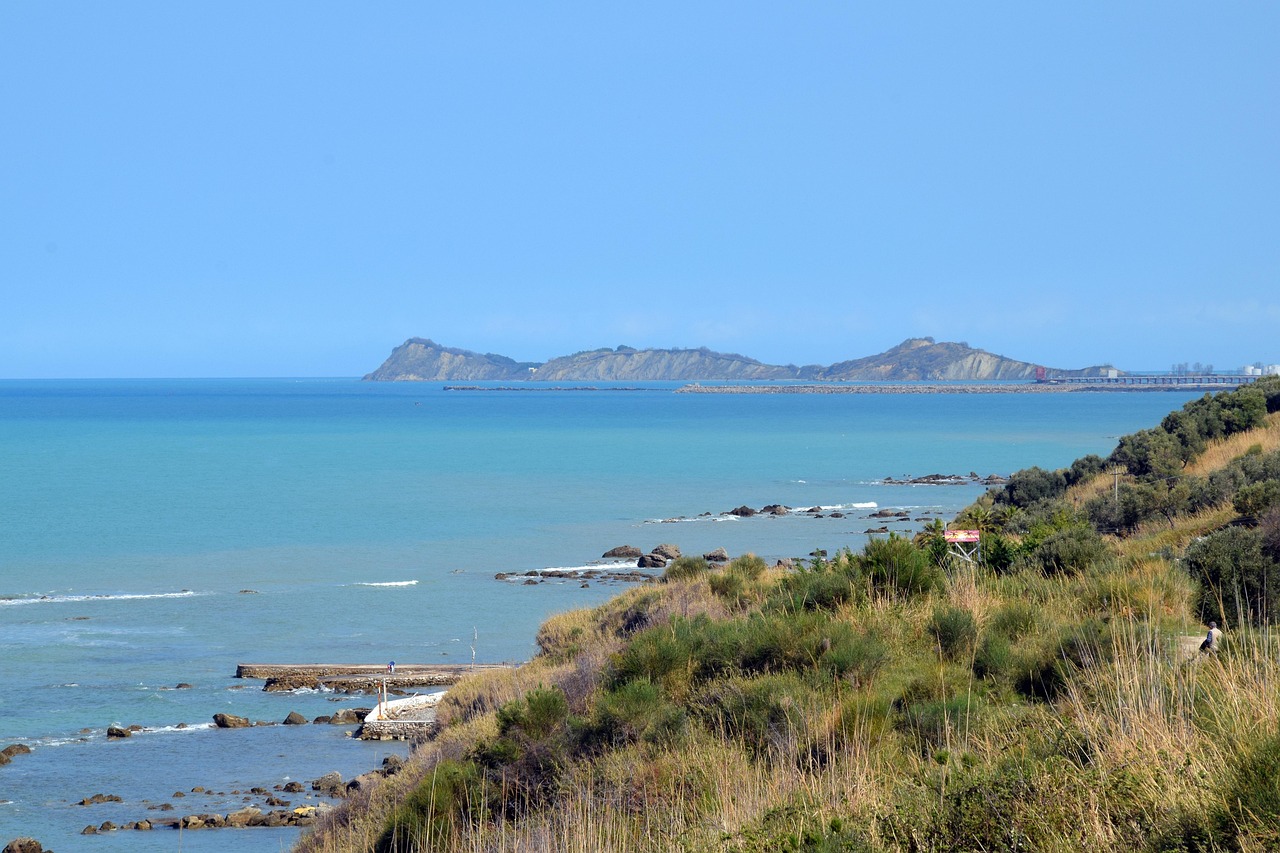
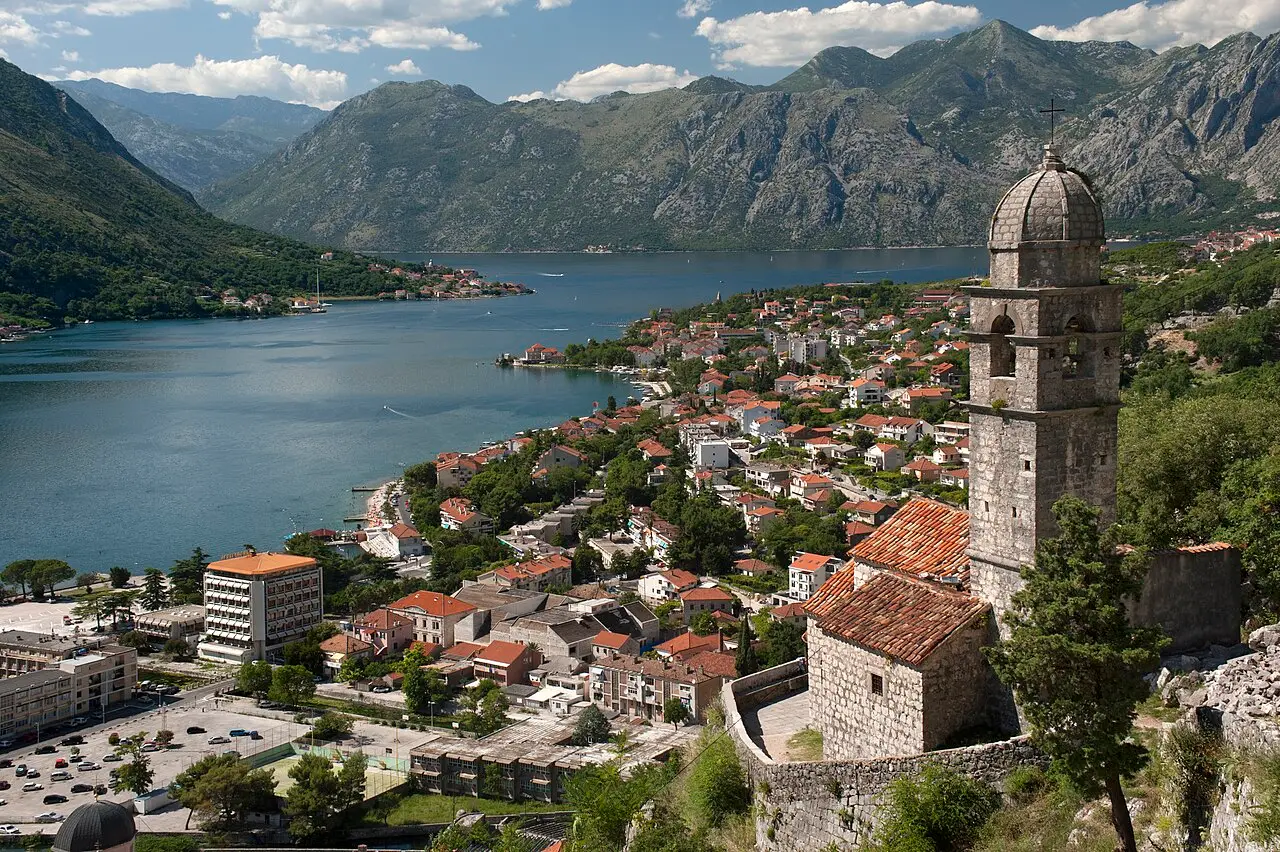
In Montenegro you can drive from sea level to above the tree line within a week, and that is exactly what defines this route. In the morning you look out of the sliding door across the still water of the Bay of Kotor at limestone walls rising almost vertically out of the Adriatic; bells from Perast, diesel from the first excursion boats. Two days later it smells of reeds and water lilies on Lake Skadar, pelicans glide over the water, and in Virpazar there is Vranac in your glass. Then it turns quiet and cool: the Morača has cut deep into the rock, and up in Kolašin the neighbours light their stoves in the evening even in August. On the Durmitor plateau sheep pastures, mountain lakes and katuns alternate with grey jagged peaks, and at the Tara Bridge you look down into a canyon whose floor you can only guess at. At the end the camper feels its way through tunnels roughly blasted into the rock above turquoise-green Lake Piva – lights on, windows down, slowly.
Stage-by-stage plan
1Stage 1: Herceg Novi to Kotor via Risan and Perast (approx. 45 km)
- The drive
- From Herceg Novi take the coast road (E65/E80) via Zelenika to Kamenari; there, don't take the ferry but continue around the inner bay: via Kostanjica, Morinj and Risan to Perast and along the Bay of Kotor via Dobrota to Kotor. The shore road is two-lane but narrow, with no hard shoulder, and has walls, bus stops and parked cars in the villages; in summer, slow-moving queues. About 1.25 hours of pure driving time, considerably longer in July and August with congestion before Kotor.
- Highlights & must-sees
- Herceg Novi old town with the Kanli kula fortress and the stepped lanes leading down to the Pet Danica promenade.
- Perast: Baroque palaces of Venetian sea-captain families along a single waterfront row, with the two islets of Sveti Đorđe and Gospa od Škrpjela offshore – small boats from the shore take you to the artificial church island.
- Kotor (part of the UNESCO World Heritage Site “Natural and Culturo-Historical Region of Kotor”): the Cathedral of Sv. Tripun in the old town and the climb along the city walls to the Sv. Ivan fortress, with a view over the whole inner bay from the top.
- CampingSpirit overnight tip
-
Official campsite or RV park: Most campsites on the bay are on the western shore between Kostanjica and Morinj, around 20 km before Kotor: Autocamp Naluka in Morinj at the source of the cold little river of the same name, shaded under trees, with electricity and sanitary facilities, plus small family sites next door such as Auto Kamp Lara. The pitches are tight and the access roads from the shore road short and steep – for vehicles over 7 m long, ask in advance. Season usually spring to October.
Free camping or nature tip (where legal): In Montenegro, overnight stays in a motorhome are generally restricted to campsites and designated motorhome pitches; on the densely built-up Bay of Kotor there is no room for anything else anyway. The waterfront car parks in Perast, Dobrota and Kotor are checked and vehicles are towed.
- Insider tip for campers
- Perast is largely closed to through traffic; park in the paid car parks at the entrances to the village and walk. In Kotor, parking space for motorhomes is scarce and expensive, and on cruise-ship days the old town is overcrowded – come early in the morning or take the regular bus from the campsite. The Kamenari–Lepetane car ferry runs at short intervals during the day, less often at night, and on the way back towards Tivat and the airport saves you the loop around the inner bay; in summer long queues form there, and motorhomes pay a higher fare than cars.
2Stage 2: Kotor to Budva via Njeguši, Lovćen and Cetinje (approx. 85 km)
- The drive
- From Kotor take the old mountain road (Kotorske serpentine) with 25 numbered hairpins, climbing around 900 m to the pass and on to Njeguši; then through Lovćen National Park to the car park below Jezerski vrh, down via Ivanova korita to Cetinje and on the M2.3 in long bends to the coast at Budva. The serpentines are single-lane width with passing places, walls without crash barriers and oncoming coaches; easily manageable in a panel van, unsuitable for large motorhomes and caravan combinations. Around 3 hours of pure driving time.
- Highlights & must-sees
- Viewpoint hairpins of the Kotorske serpentine: from above, the view over the convoluted bay with Kotor, Tivat and the airport – best in late morning, when the sun is above the mountains.
- Njegoš Mausoleum on Jezerski vrh (1,657 m) in Lovćen National Park: 461 steps through a tunnel to the tomb, with a panorama from Lake Skadar to the Adriatic at the top; park entry fee and mausoleum ticket.
- Cetinje, the old royal capital: Cetinje Monastery, King Nikola's Palace and the former legation buildings of the great powers.
- CampingSpirit overnight tip
-
Official campsite or RV park: Kamp Jaz on the beach of the same name a few kilometres west of Budva: a large, level site behind the shingle beach, electricity and sanitary facilities, very full in high summer and at times noisy due to beach events. Other small sites such as Camping Seoce are in the villages above Budva – check facilities and access in advance.
Free camping or nature tip (where legal): Lovćen National Park only allows overnight stays and camping at designated spots; the car parks at the mausoleum and in Ivanova korita are intended for day visits. On the Budva Riviera, beach and roadside car parks are off-limits at night, and the municipal police carry out regular checks in season.
- Insider tip for campers
- If you are travelling in a large motorhome, don't take the serpentines but go via Budva and up the M2.3 to Cetinje, and from there to Njeguši and Lovćen. On the hairpins: drive early in the morning before the excursion coaches arrive, and don't force your right of way going uphill – coaches can often only pull aside at certain points. In Njeguši, buy Njeguški pršut and the hard cheese directly from the smokehouses along the road. Budva's old town is a pedestrian zone; motorhome parking is only available on the edge of the centre, for a fee.
3Stage 3: Budva to Virpazar (Lake Skadar) via Sveti Stefan (approx. 55 km)
- The drive
- Take the coast road via Bečići and Rafailovići to Sveti Stefan, then via Miločer and Petrovac along the steep coast to Sutomore. There, head inland to the Sozina Tunnel (just over 4 km, toll) and on the other side descend into the Crmnica plain to Virpazar on Lake Skadar. Up to Petrovac a winding, busy shore road with many villages to pass through, clearer after that; the tunnel is wide and lit. A little over 1.25 hours.
- Highlights & must-sees
- View of the hotel island of Sveti Stefan from the lay-bys on the coast road above the village; the island is a hotel that reopened in July 2026 after being closed for around five years, and is generally accessible only to hotel guests.
- The beaches of Petrovac and Lučice between pine-covered slopes, with the Venetian Kastio fortress above the harbour.
- Virpazar: a small harbour village with a stone bridge, wine cellars of the Crmnica area (Vranac, Kratošija) and the Besac castle ruin above the village.
- CampingSpirit overnight tip
-
Official campsite or RV park: Around Virpazar and in the hinterland there are small, family-run sites, such as Camp Virpazar and Kamp Podkraj in the villages above the lake, with electricity and basic sanitary facilities; water and waste disposal are basic depending on the site, and access is via narrow village roads. Larger vehicles will find sites on flatter ground at the Vranjina bridge, a few kilometres north, such as Auto Camp Vranjina. Along the coast, at Buljarica near Petrovac, there are Autokamp Buljarica and Camping Maslina.
Free camping or nature tip (where legal): On the Montenegrin side, Lake Skadar is a national park (Nacionalni park Skadarsko jezero); overnight stays, camping and fires are only permitted at designated spots, and the shores and reed beds are breeding and resting grounds. At Virpazar harbour the car parks charge a fee during the day for boat-trip visitors, and there is no free camping at night.
- Insider tip for campers
- According to ADAC, the Sozina Tunnel costs €5 per trip for motorhomes up to 3.5 t (cars €2.50), more for heavier and taller vehicles – the toll class depends on the number of axles and the height above the front axle; you pay at the toll station in cash or by card. Book boat trips on the lake from Virpazar for early morning or late afternoon – that's when the birds are active and the midday heat is over; an entry fee is charged for the national park. The lakeshore road from Virpazar to Rijeka Crnojevića is narrow, single-lane and only suitable for small campers.
4Stage 4: Virpazar to Kolašin via Podgorica and the Morača Canyon (approx. 105 km)
- The drive
- Over the causeway at Vranjina and via Golubovci to Podgorica, through the city and on the old main road (E65/E80) northwards through the Morača Canyon via Morača Monastery to Kolašin. The canyon road is two-lane but narrow, with rock overhangs, short tunnels, rockfall and a lot of lorry traffic; overtaking is possible almost nowhere. The Platije section is considered accident-prone – patience instead of overtaking manoeuvres. Around 2.5 hours of pure driving time.
- Highlights & must-sees
- Podgorica: the Millennium Bridge over the Morača, the old Ottoman bridge over the Ribnica and the riverside park – but above all the best place for a big shop, gas and fuel before the mountains.
- Morača Canyon in the Platije section: vertical walls, green water far below; only stop at the few secured lay-bys.
- Morača Monastery (13th century) in a widening of the valley by the river, with frescoes in the monastery church and a small waterfall by the monastery wall.
- CampingSpirit overnight tip
-
Official campsite or RV park: Kolašin is at around 950 m, and the nights are fresh even in summer. On the edge of town, Auto Camp Kujović and Camp Lipovo offer motorhome pitches with electricity, water and sanitary facilities; the facilities are simple, and the owners help with planning trips into the Bjelasica. In Biogradska Gora National Park there is a simple park camping area by the lake – the access road is narrow, so check facilities and opening beforehand.
Free camping or nature tip (where legal): Away from the national parks, free camping on meadows and forest tracks in the mountains around Kolašin is in practice often tolerated, but legally it requires the landowner's consent; pastures often belong to village communities. In Biogradska Gora National Park, overnight stays are only permitted at the designated site.
- Insider tip for campers
- The A1 motorway Smokovac–Mateševo (around 42 km, toll, cars €3.50) bypasses the Morača Canyon through tunnels and viaducts – the more relaxed choice for the return journey, in rain or with a large vehicle; the toll depends on the vehicle class, which is based on the number of axles and height. For the canyon itself, set off early before the lorry convoys arrive. Podgorica has the last big choice of supermarkets and filling stations with autogas before Durmitor.
5Stage 5: Kolašin to Žabljak via Mojkovac and the Tara Bridge (approx. 85 km)
- The drive
- From Kolašin take the main road through the Tara valley to Mojkovac, then the road along the Tara north-west to the bridge at Đurđevića Tara and, on the other side, up in hairpins onto the Durmitor plateau to Žabljak (around 1,450 m). Well built at first, narrower and winding in the Tara valley, the climb to Žabljak with tight bends but a good surface. A little over 2 hours.
- Highlights & must-sees
- Đurđevića Tara: the arch bridge from 1940, just over 360 m long, high above the Tara Canyon, considered the deepest gorge in Europe; viewpoints at the bridgeheads and a zipline across the canyon.
- Crno jezero (Black Lake) on the edge of Žabljak: a circular trail around both parts of the lake under spruces, with a view of Međed.
- Durmitor National Park (UNESCO World Heritage Site): hikes to Ledena pećina (Ice Cave) or, for the sure-footed, up Bobotov Kuk (2,523 m).
- CampingSpirit overnight tip
-
Official campsite or RV park: Around Žabljak there are several autocamps on meadows at the forest edge, such as Autocamp Razvršje, Autokamp Ivan Do and Kamp Kod Boće on the edge of town: electricity, water, simple sanitary blocks, some with waste disposal, season roughly May to September/October. At the Tara Bridge itself there are small rafting camps such as Camp Most – handy for a stopover, but access is steep and narrow.
Free camping or nature tip (where legal): In Durmitor National Park, camping and overnight stays in a vehicle are only permitted at designated spots; park rangers carry out checks at the lakes and trailhead car parks. Outside the park boundaries on the plateau, free camping is only possible with the owners' consent – if in doubt, ask; the farmers are usually helpful.
- Insider tip for campers
- You pay the national park entry fee at checkpoints or ticket offices, for example at the Black Lake. On the plateau, temperatures at night are close to freezing even in summer – check your gas and heating before the climb. Fuel and shopping are available in Žabljak, but the choice is small; bring cash, as not all small camps and farms accept cards.
6Stage 6: Žabljak to Plužine via the Sedlo Pass (Durmitorski prsten) (approx. 65 km)
- The drive
- Take the panoramic road of the Durmitorski prsten south-west past Pitomine to the Sedlo Pass (just over 1,900 m) below the limestone walls of Durmitor, then down across the high plains of Pišče to Trsa and in hairpins down to Lake Piva and Plužine. A narrow mountain road, in places barely two lanes wide, without crash barriers, with cows and sheep on the carriageway; passing only in lay-bys. Easily manageable in panel vans and compact motorhomes, demanding for large vehicles. Around 2 hours without stops; free of snow only in the summer half of the year.
- Highlights & must-sees
- Sedlo Pass: view of the folded limestone layers of Prutaš and the jagged peaks around Bobotov Kuk – a starting point for short hikes onto the mountain pastures.
- The high plateau around Pišče and Trsa with katuns, dry-stone walls and wide pastures; evening light over the mountains of Bosnia and Herzegovina.
- Viewpoints above turquoise-green Lake Piva on the descent to Plužine.
- CampingSpirit overnight tip
-
Official campsite or RV park: In Trsa on the high plateau is Eco Village Milogora, with meadow pitches for campers and bungalows; in and near Plužine there are small sites such as Kamp Evergreen on the edge of town. Electricity and basic sanitary facilities, water and waste disposal only basic – ask in advance.
Free camping or nature tip (where legal): The Durmitorski prsten runs through the national park; overnight stays at the Sedlo Pass or on the mountain pastures are not permitted there. Around Lake Piva and Plužine the rules of the Piva Nature Park apply – camping and overnight stays only at designated spots or with the owners' consent.
- Insider tip for campers
- The Sedlo Pass is closed in winter, and patches of snow and loose chippings are possible into early summer – ask about road conditions in Žabljak at the national park or at the campsite. There is no filling station along the way until Plužine; fill up in Žabljak. Drive downhill in a low gear; the descent from Trsa to Lake Piva is long and steep, and the first unlit tunnels already appear in the last few kilometres.
7Stage 7: Plužine to Šćepan Polje through the Piva Canyon (approx. 45 km)
- The drive
- From Plužine first go a few kilometres south to Piva Monastery and back, then take the M3 (E762) north along Lake Piva, past the Mratinje dam and through the Piva Canyon to Šćepan Polje, the border crossing to Bosnia and Herzegovina. The road runs through dozens of unlit tunnels roughly blasted into the rock, many of them single-lane, with irregular profiles, wet surfaces and bends inside the tunnel; in between there are galleries and rockfall sections. Around 1.5 hours without stops.
- Highlights & must-sees
- Piva Monastery: a 16th-century monastery church with rich frescoes, which was moved stone by stone to its present location when the reservoir was built.
- Mratinje dam: an arch dam around 220 m high that impounds Lake Piva – stop at the lay-bys by the dam for a view into the canyon.
- Confluence of the Piva and Tara near Šćepan Polje, where the two become the Drina; starting point of many rafting trips on the Tara.
- CampingSpirit overnight tip
-
Official campsite or RV park: Near Šćepan Polje and in the lower Tara valley there are several rafting camps with meadow pitches, such as Rafting Camp Tara Tour and Kamp Modra rijeka; electricity, sanitary facilities and catering are geared to rafting guests, motorhomes are usually welcome, and access is partly via steep gravel tracks – ask in advance. If you stay in Plužine, use the sites from the previous stage.
Free camping or nature tip (where legal): The border area at Šćepan Polje and the canyon itself offer hardly any room to park up; the lay-bys at the dam are for photo stops, not overnight stays. Free camping is practically not an option here.
- Insider tip for campers
- Before the tunnels, check your dipped headlights and take off your sunglasses – the change from glaring daylight to the dark rock is abrupt. In single-lane tunnels, look out for oncoming headlights before entering, give a short toot of the horn and, if in doubt, wait; oncoming traffic often has to reverse to the next passing place. With tall bodywork, roof boxes or an awning, drive slowly – the ceilings are irregular and height information is mostly missing; with large, tall vehicles check the route carefully beforehand (current reports on park4night or from the camps in Plužine) or leave Montenegro via Nikšić. The Šćepan Polje border crossing is small and the bridge on the Bosnian side narrow – with large motorhomes, plan the onward journey to Bosnia and Herzegovina carefully.
Camping practice & local rules
Wild camping & overnight parking
- Montenegro is not an EU member and has its own rules: overnight stays in a motorhome are generally only permitted at campsites and designated motorhome pitches; parking on public land only where explicitly allowed, on private land only with the owner's consent. On the coast this is consistently enforced; in the mountains, discreet overnight stays away from protected areas are often tolerated – but there is no right to it.
- In the national parks (Lovćen, Skadarsko jezero, Biogradska Gora, Durmitor), camping, overnight stays and open fires are only permitted at designated spots; an entry fee is charged for the parks. In summer, a strict fire ban applies when there is a risk of forest fires – then even barbecuing on meadows is off-limits.
- Foreign visitors must register in Montenegro within 24 hours; campsites take care of this together with the tourist tax. If you spend longer periods overnighting away from sites, you should be aware of this – you may be asked about it during checks.
- Many campsites are small and family-run, and facilities and opening times vary. park4night and Campercontact help with user reports; it's best to contact the sites directly in advance by phone or messenger.
Waste disposal & supplies
- There are hardly any service points for water and waste outside campsites; empty grey water and toilet cassettes at the sites, which also accept passing travellers for a small fee. In the karst of Lovćen and Durmitor, waste water seeps straight into the groundwater – never empty it onto the ground.
- Tap water is drinkable in most places; on the coast there can be shortages in high summer, and on the Durmitor plateau springs and wells are common. Fill up completely at campsites and ask about water quality in the mountains.
- Gas: German exchange cylinders are not swapped. Autogas (TNG) is available at filling stations in Podgorica, Nikšić and on the coast, rarely in the mountains; bring an adapter set for refillable cylinders. Arrive with two full cylinders – on Durmitor you'll be heating in the evenings.
- The currency is the euro, even though Montenegro is not part of the EU. Small camps, farms and boatmen often accept only cash; there are cash machines in all larger towns.
Vehicle size & traffic rules
- Entry: carry your vehicle registration document and driving licence. According to ADAC, for vehicles with German or EU number plates the number plate counts as proof of insurance, but the International Motor Insurance Card (Green Card, MNE not crossed out) is recommended – it is required for continuing to Bosnia and Herzegovina. If you are not the registered keeper, you need a letter of authorisation. An eco-tax on motor vehicles formerly charged on entry (introduced in 2008) was abolished in 2012, according to motoring clubs. Check with your motoring club before travelling whether an environmental or other fee is currently charged at the border for motorhomes and caravans, and only pay at the border against an official receipt.
- Speed limits according to ADAC: cars 50 km/h in built-up areas, 80 km/h outside, 100 km/h on expressways; motorhomes (including those up to 3.5 t) and caravan combinations 50 km/h in built-up areas, 80 km/h outside and on expressways. Drivers under 24 may drive at a maximum of 70 km/h. Caravan combinations carry a second warning triangle. Dipped headlights or daytime running lights are mandatory during the day all year round.
- Alcohol: 0.3‰, 0.1‰ for novice drivers in their first year and drivers under 24. Phone calls only with a hands-free kit. Police checks with radar are frequent, and fines are collected on the spot.
- Tolls: Sozina Tunnel (Podgorica–Bar) €2.50 for cars, €5 for motorhomes up to 3.5 t and caravan combinations, €10 per trip for heavier and taller vehicles according to toll portals; A1 motorway Smokovac–Mateševo €3.50 for cars, otherwise by vehicle class (number of axles and height), payment in cash, by card or with an electronic device. The other roads are toll-free; the Kamenari–Lepetane ferry is chargeable.
- Dimensions: motorhomes and caravans up to 2.55 m wide; caravan combinations up to 18.75 m long. Mark loads projecting beyond the rear, such as bicycles; a red-and-white warning board is the safe solution.
- Winter: from 15 November to 31 March, winter tyres (M+S) or snow chains are mandatory in wintry road conditions, and vehicles over 3.5 t must also carry a snow shovel during this period; studded tyres are prohibited; the Sedlo Pass is closed in winter, and on the Durmitor plateau snow often falls as early as October. Mobile phones: Montenegro is not part of the EU roaming zone – check your data plan beforehand or buy a SIM or eSIM card locally.
CampingSpirit packing & preparation checklist
- A folder with your Green Card (valid for MNE and BIH), vehicle registration document and, if applicable, the keeper's letter of authorisation – papers are checked at the border into Montenegro and on into Bosnia and Herzegovina.
- Cash in small euro notes for the Kamenari–Lepetane ferry, the Sozina Tunnel, national park entry fees, boatmen on Lake Skadar and family camps without card payment.
- A warm sleeping bag or extra blanket and a gas supply for the heating – on the Durmitor plateau at around 1,450 m it cools down sharply at night even in August.
- An additional LED work light or working fog lights, and clean headlights – in the unlit, wet rock tunnels of the Piva Canyon every light source counts.
- Levelling ramps and a water container with a spout: the meadow pitches of the autocamps are often sloping, and taps are not always at the pitch.
- An infrared thermometer or simple temperature sensor for the brake discs, plus a workshop check of the brakes before the trip – the descents from Lovćen, Sedlo and Trsa are long and steep, and breaks to let them cool down are worthwhile.
As of 2026-09. Closures, fees and booking rules change: check official sources before you go.