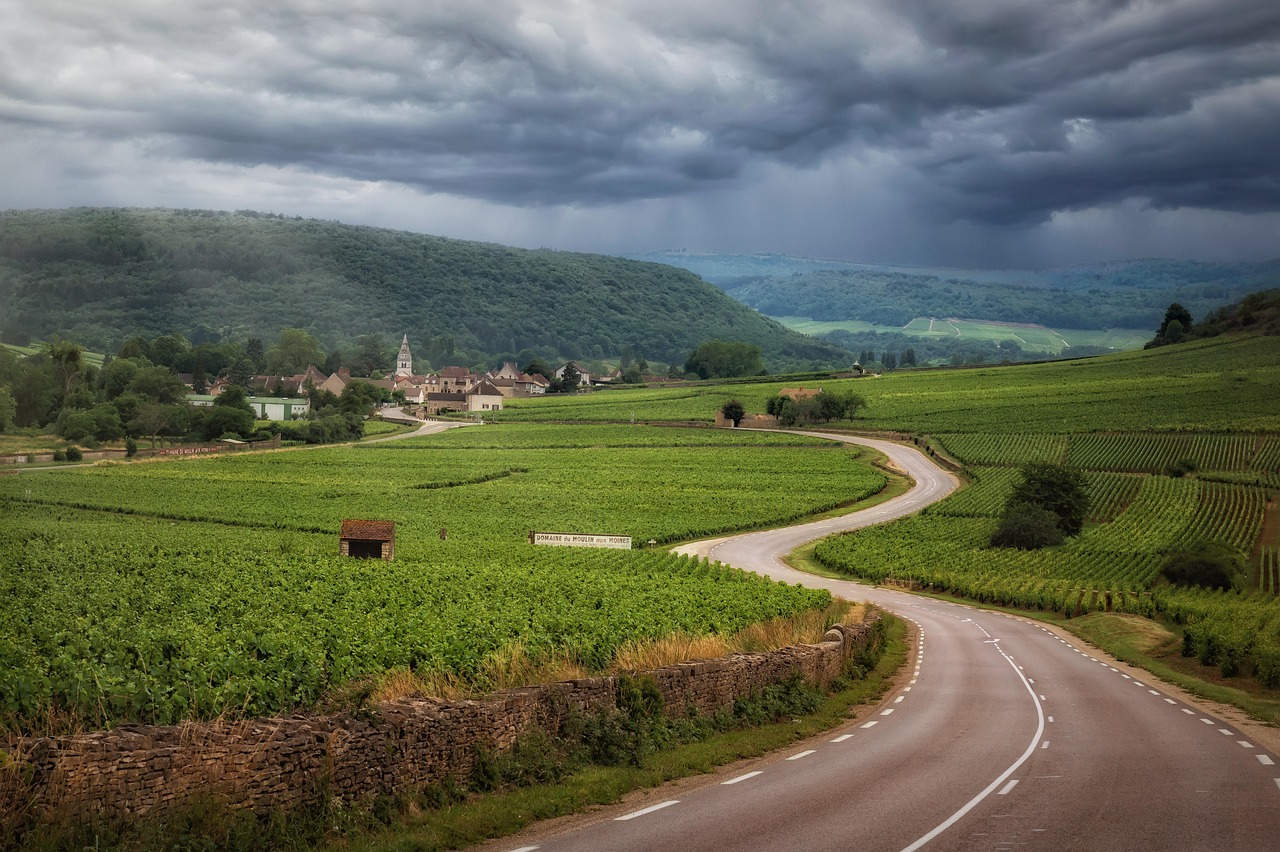
Chianti Wine Road
The Chiantigiana (SR 222) runs from Florence to Siena through vineyards, olive groves and small towns. For motorhomes it is a relaxed day drive, with sosta areas and campsites rather than wild camping.
- Region
- Tuscany
- Length
- about 69 km (Florence–Siena)
- Start / end
- Firenze / Siena
- Suggested time
- 1–2 days
- Best season
- Spring and autumn
What should you know before visiting Chianti Wine Road?
Tolls and vignettes for a car: about €20 (Italy).
- The main route follows the SR 222 via Greve in Chianti, Panzano and Castellina in Chianti to Siena. Radda and Gaiole in Chianti can be added as a detour.
- Wild camping is generally prohibited in Italy. Overnight at campsites or designated camper areas (aree di sosta), where awnings and chairs are not allowed.
- Historic village centres often have restricted traffic zones (ZTL). Park at the edge and walk in; follow the signs.
The drive
The Chiantigiana is about 69 km long and links Florence with Siena. It passes through Greve in Chianti and Panzano to Castellina in Chianti. To visit Radda and Gaiole, turn left at the crossroads near Panzano or leave the SR 222 at Castellina; from Radda it is about 10 km on the Chiantigiana to Gaiole. A side road from Greve towards the Via Cassia is described as narrow, winding and partly unpaved, so it is poorly suited to motorhomes.
Planning
Plan at least one day, preferably two, to leave room for wineries, villages and stops. Spring and autumn are usually more pleasant than the hot high summer. Park at the edge of villages and walk in, since historic centres are often restricted. From Castellina you can also reach Siena quickly via Fonterutoli if you skip Radda and Gaiole. Wine tastings only with a sober driver.
Camping
Wild camping is mostly prohibited in Italy; there is no uniform national rule, and regions and municipalities set the details. For motorhomes, overnight in designated sosta areas or at campsites. On sosta areas, awnings, tables and chairs are not allowed. Some areas offer water and waste disposal. If you want to stay elsewhere, ask the municipality beforehand. In summer it is wise to book campsites ahead.
FAQs
How long is the Chiantigiana?
According to the Tuscan tourism portal, about 69 km from Florence to Siena. With a detour to Radda and Gaiole and stops in the villages, it becomes a full day or more.
Can I sleep in my motorhome by the road?
Not reliably. Free overnighting is mostly banned in Italy, and municipalities set the rules. Campsites and sosta areas are the safe option. Follow local prohibition signs and ask the municipality if in doubt.
What is a ZTL?
A Zona a Traffico Limitato is a restricted traffic zone, usually in a historic centre. Entry is generally allowed only with permission, so motorhomes are better parked at the edge of town. Follow the signs and avoid driving into old centres.
How much are the tolls on Chianti Wine Road?
Tolls and vignettes for a car: about €20 (Italy). Estimate with typical rates; motorhomes pay more, and vehicles over 3.5 t often pay by distance.
Places to see

 © Giuseppe Paris · CC BY 3.0
Val d'Orcia cypresses
Rolling Tuscan hills lined with cypresses, a UNESCO landscape. The best-known cypress group is beside the SR2.

 © logopop · CC BY-SA 3.0
Civita di Bagnoregio
A hilltop village on crumbling clay, reached only by a steep footbridge. There is an entry fee.

 © Michela Simoncini from Firenze, Italy · CC BY 2.0
Walls of Monteriggioni
A small hilltop village still fully enclosed by its 13th-century ring of walls and towers, built by Siena…

 © Photo2023 · CC BY 4.0
Bagno Vignoni
A village whose main square is a large stone pool of steaming spring water, used since Roman times. Bathing…

 © qwesy qwesy · CC BY 3.0
Piazza dei Miracoli
The leaning tower, cathedral and baptistery on a lawn. Book tower climbs ahead in summer.

 © José Luiz · CC BY-SA 4.0
Piazza del Campo
A shell-shaped medieval square that hosts the Palio horse race each July and August.

 © Lothur · CC0
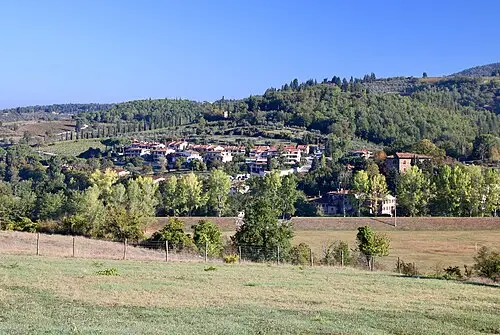
Montefioralle
A tiny walled village of stone houses on the hill just above Greve, with a ring-shaped lane and views over…

 © Virgixx · CC BY-SA 3.0
Badia a Passignano
A fortified Vallombrosan abbey among cypresses and vines, whose refectory holds a Last Supper fresco by the…