

In-depth guide · CampingSpirit
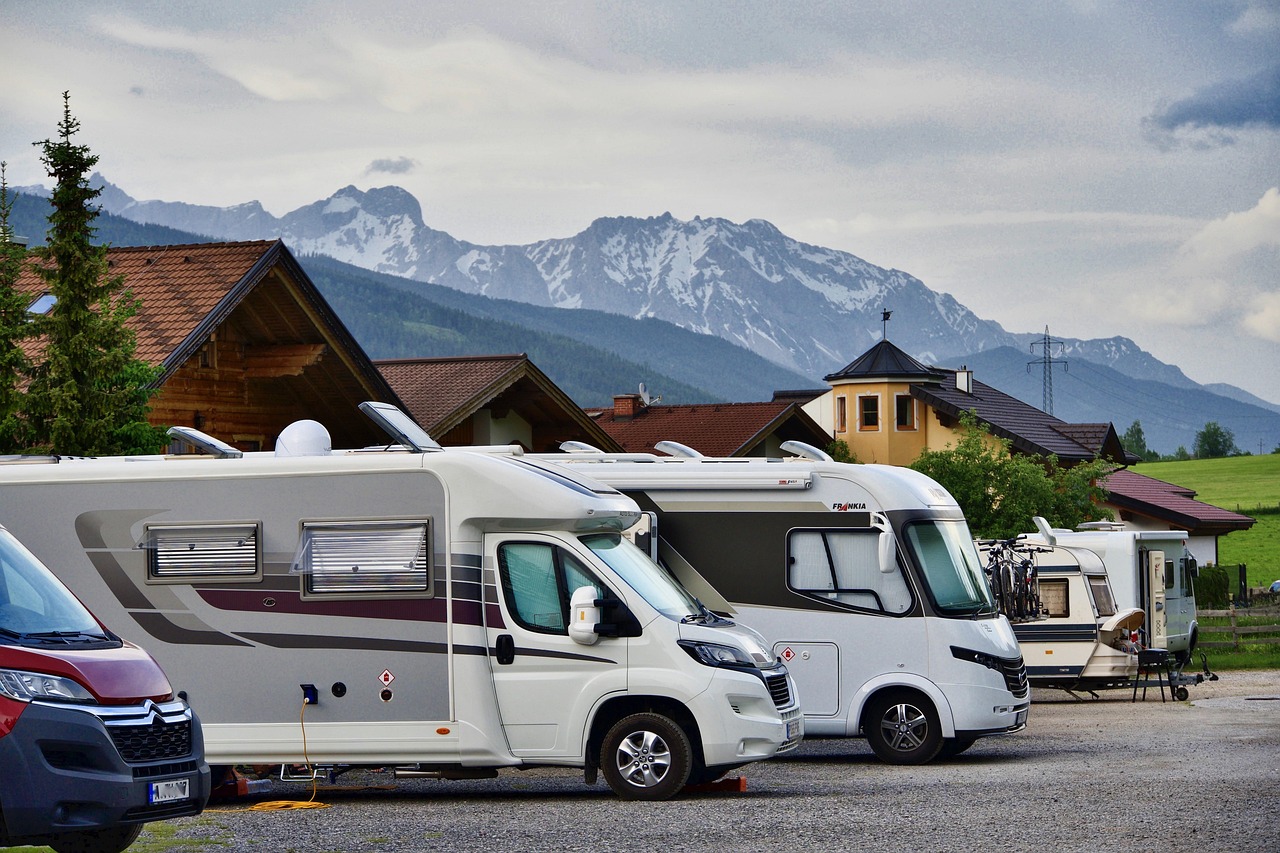
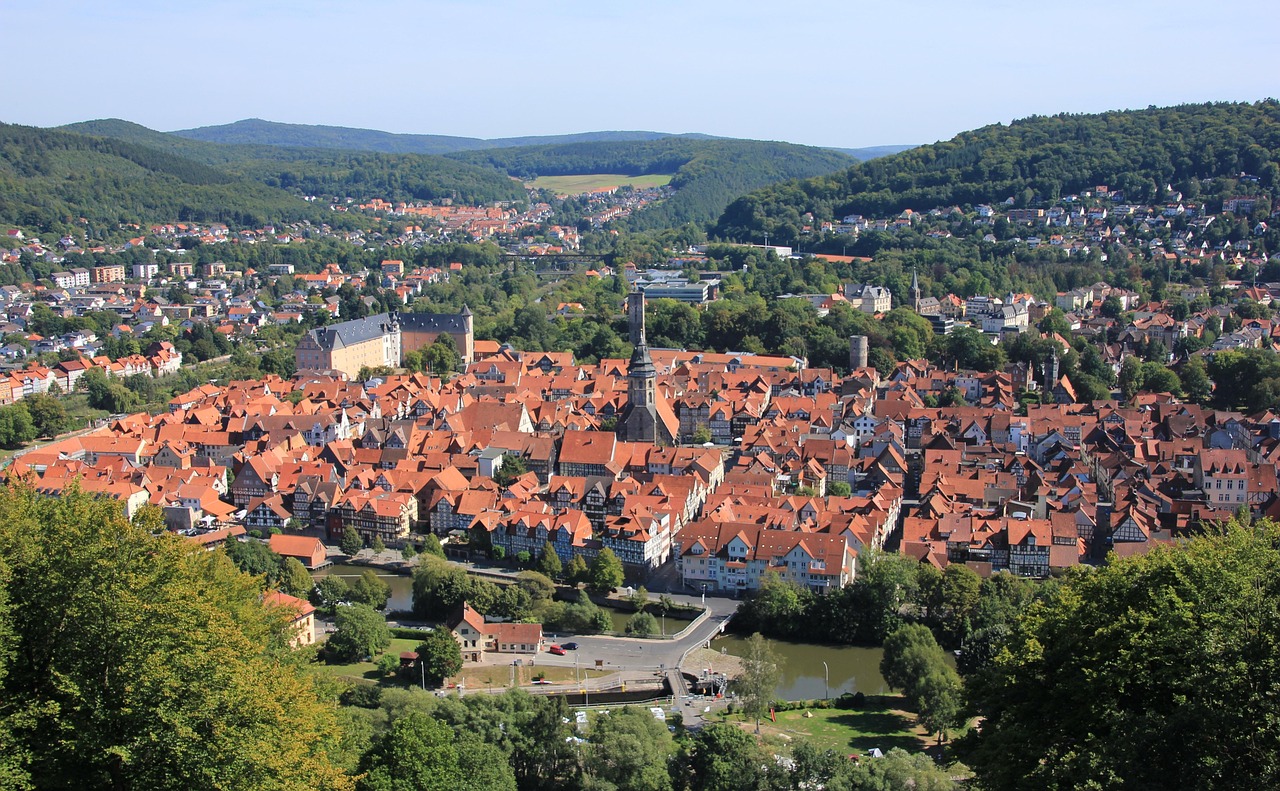
Around 335 kilometres from Hann. Münden, where the Weser begins, downriver to the Porta Westfalica and then across the Teutoburg Forest to Paderborn: a quiet route with short stages, riverside motorhome pitches and ferries that glide across the river on a wire cable.
The spirit of the route
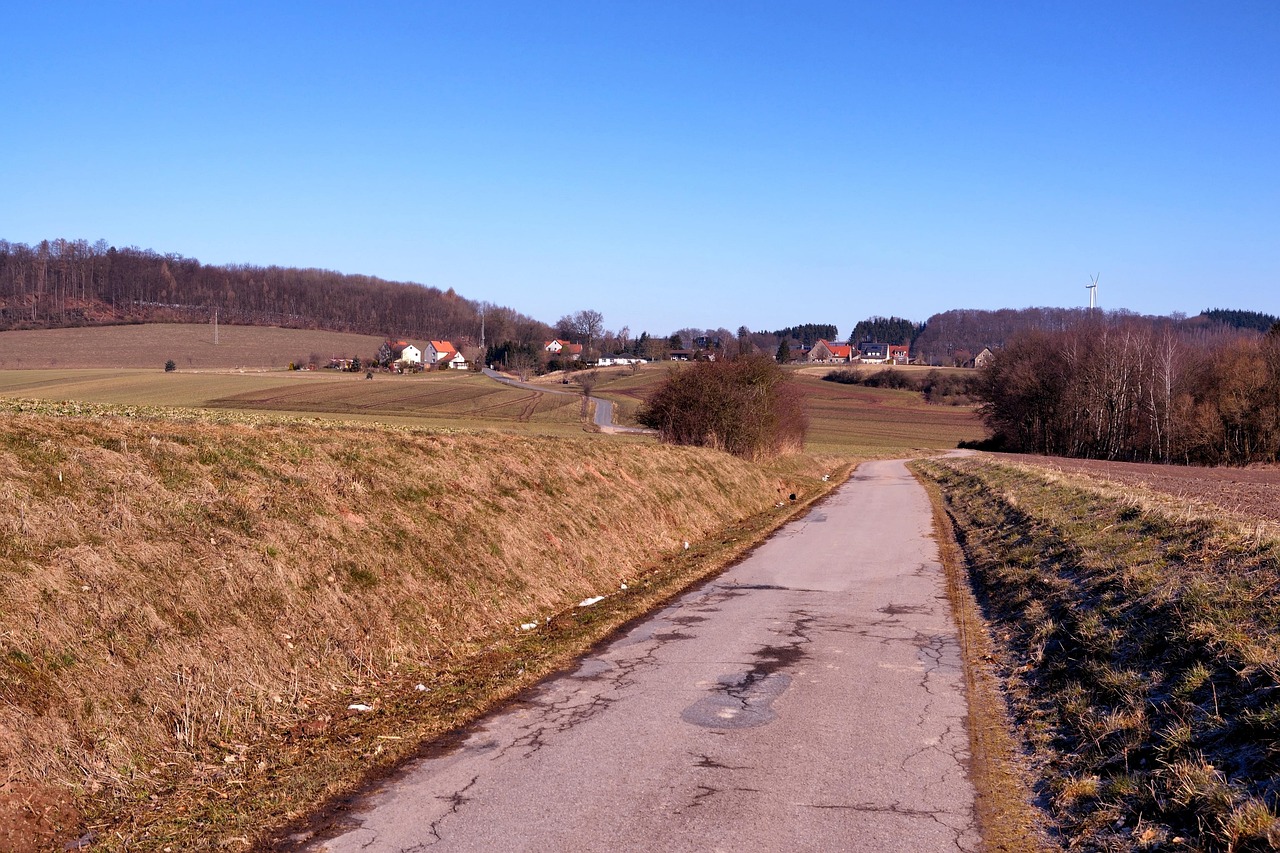
The Weser is in no hurry, and on this route you take on its pace. In the morning mist lies over the water meadows, canoeists push their boats into the water, and the first touring bikes ring their bells as they pass on the riverside cycle path. From the sliding door you see beech-covered slopes, red sandstone roofs and half-timbered gables reflected in the river. Between the Reinhardswald and the Solling stand oaks older than the fairy tales attributed to them; in Corvey, Hamelin and Lemgo the Weser Renaissance tells of merchants who grew rich on grain and timber. Beyond the Porta Westfalica the landscape changes: the Teutoburg Forest rises as a long, dark ridge, Hermann raises his sword above the treetops, and at the Externsteine the sandstone glows in the evening light. Travelling here means crossing on the cable ferry, buying bread at the village bakery and sometimes leaving the camper on the same riverbank for two nights.
Stage-by-stage plan
1Stage 1: Hann. Münden to Bad Karlshafen via the Sababurg (approx. 65 km)
- The drive
- From Hann. Münden, first along the left bank of the Weser to Reinhardshagen (Veckerhagen), then uphill on district and state roads into the Reinhardswald to the Sababurg. The roads through the forest are narrow but easy to drive, with long straights between oaks and beeches and few passing places for timber lorries. Via Gottsbüren and Trendelburg into the Diemel valley and past Helmarshausen to Bad Karlshafen at the mouth of the Diemel. Pure driving time a good 1.5 hours.
- Highlights & must-sees
- Weserstein on the Tanzwerder in Hann. Münden, where the Werra and the Fulda join to form the Weser – with the half-timbered ensemble of the old town and the Welfenschloss only a few minutes’ walk away.
- Urwald Sababurg: nature reserve with gnarled pasture oaks and beeches that were used as wood pasture for centuries; next to it the Tierpark Sababurg, one of the oldest zoos in Europe.
- Krukenburg castle ruins above Helmarshausen, with views into the Diemel valley and over the slopes of the Weser.
- CampingSpirit overnight tip
-
Official campsite or RV park: Campingplatz Bad Karlshafen on the bank of the Weser opposite the baroque old town, with electricity, sanitary facilities and water/waste services; you reach the old town on foot across the Weser bridge. Check season and facilities with the operator in advance. If you stay in Hann. Münden on the first evening: the Wohnmobilstellplatz Am Weserstein is by the river close to the centre (electricity, water/waste), alternatively the Campingplatz Grüne Insel Tanzwerder right at the confluence.
Free camping or nature tip (where legal): Hesse and Lower Saxony do not allow wild camping. At most, a single night to restore fitness to drive is tolerated in a public car park without a no-parking sign – inside the vehicle only, without camping furniture. In the Reinhardswald, forest tracks and forestry roads are closed to motor vehicles. At the Tierpark Sababurg there is a small motorhome area with a few pitches, well suited to an early visit to the Urwald; check the conditions on the zoo’s website.
- Insider tip for campers
- The old town of Hann. Münden is narrow and partly one-way – leave the camper at the motorhome area and walk. In the Reinhardswald there are now wind turbines on the heights, so construction traffic and lorries on the forest roads are possible. The hotel and restaurant in Burg Sababurg have been closed since 2018, and the state of Hesse is restoring the complex in phases; only parts of the outdoor grounds are accessible – check the current status with the town of Hofgeismar in advance.
2Stage 2: Bad Karlshafen to Höxter (Corvey) (approx. 30 km)
- The drive
- Short stage across the Weser bridge and along the right bank via Würgassen and Lauenförde, then back to the left bank to Beverungen and on the B83 through the broad Weser valley to Höxter. Flat, well-built road with views of the slopes of the Solling; around 45 minutes, considerably more with the detour to the Skywalk.
- Highlights & must-sees
- Bad Karlshafen: the Huguenot town with strictly planned baroque houses around the harbour basin, which has been reconnected to the Weser by a lock for some years now; the Deutsches Hugenotten-Museum tells the story of the founders.
- Weser-Skywalk on the Hannoversche Klippen: viewing platform high above the river, reached from the car park above the cliffs or on foot from Bad Karlshafen.
- Schloss Corvey just outside Höxter, with the Carolingian westwork from the 9th century, a UNESCO World Heritage Site since 2014, plus the Princely Library, where Hoffmann von Fallersleben worked as librarian; his grave lies next to the church.
- CampingSpirit overnight tip
-
Official campsite or RV park: Wesercamping Höxter on the bank of the Weser south of the old town, with electricity, sanitary facilities and water/waste services. Downriver, closer to the old town, is the large motorhome area Floßplatz on the bank, just a few minutes’ walk from the half-timbered old town and the Weser bridge; the cycle path to Corvey runs along the bank.
Free camping or nature tip (where legal): Like its neighbouring states, North Rhine-Westphalia has no legal wild camping. Nobody stays overnight in the walkers’ car parks in the Solling and at the cliffs; the riverside meadows are mostly landscape protection areas or flood discharge zones. For a night without a campsite, the municipal motorhome areas on the Weser bank are the legal solution.
- Insider tip for campers
- It is best to go to Corvey by bike along the Weser-Radweg rather than putting the camper in the visitor car park – around two to three kilometres, flat, by the river. At the Weser-Skywalk, parking space at the top is limited; with large vehicles, park in Bad Karlshafen instead and allow for the steep walk up.
3Stage 3: Höxter to Bodenwerder via Polle (approx. 45 km)
- The drive
- On the B83 along the left bank to Holzminden, or with a detour across the Weser bridge to Fürstenberg on the edge of the Solling. Beyond Holzminden through the narrow, wooded valley to Polle, where the Weser makes a loop, and on to Bodenwerder. Quiet federal and state roads, partly right by the water, with villages whose through-roads can get narrow. About an hour’s driving time.
- Highlights & must-sees
- Porzellanmanufaktur Fürstenberg: museum in the palace high above the Weser, porcelain from the Solling since the 18th century, plus one of the finest views of the Weser on the route.
- Polle castle ruins on the rock above the village, a backdrop for fairy-tale performances in summer; below, the cable ferry crosses the river.
- Bodenwerder: Münchhausen Museum in the birthplace of the “Baron of Lies”, today the town hall, and the small old town on the Weser island.
- CampingSpirit overnight tip
-
Official campsite or RV park: Reisemobilstellplatz am Mühlentor in Bodenwerder, municipal and spacious with around 60 pitches, electricity, sanitary facilities and water/waste services, a few minutes’ walk from the old town. With campsite comfort: Campingplatz Himmelspforte on the bank of the Weser south of Bodenwerder.
Free camping or nature tip (where legal): Around Polle and in the Solling-Vogler and Weserbergland nature parks there are many walkers’ car parks in the forest – they are not meant for overnight stays, and some explicitly display bans on campers. For spontaneous nights there are plenty of motorhome areas and campsites between Holzminden and Bodenwerder, such as Mobilcamping Holzminden on the Weser or the sites near Polle.
- Insider tip for campers
- The Weser ferries are reaction cable ferries: they hang from a cable stretched across the river and are carried across by the current alone. The permitted weight, length and height of vehicles differ from ferry to ferry and are posted at the landing stage – many take cars and smaller panel vans, but often not heavier motorhomes or car-and-caravan combinations. The ramps are steep, so watch your rear overhang. At high or low water and out of season the service is suspended; have cash ready.
4Stage 4: Bodenwerder to Hamelin via Hämelschenburg (approx. 30 km)
- The drive
- On the B83 via Emmerthal to Hamelin, with a short detour to the ferry at Grohnde; the valley widens and the slopes become gentler. Short, flat stage of around 40 minutes, leaving time for the palace, the ferry and a stroll through town.
- Highlights & must-sees
- Schloss Hämelschenburg near Emmerthal: a fully preserved Weser Renaissance ensemble with moat, church and mill, still family-owned today and open on guided tours.
- Grohnde: cable ferry and ferry house on the bank, starting point for a bike loop on both sides of the river.
- Hamelin: Rattenfängerhaus and Hochzeitshaus with its glockenspiel; the Pied Piper open-air play is performed on Sundays in the summer season on the terrace by the Hochzeitshaus.
- CampingSpirit overnight tip
-
Official campsite or RV park: Campingplatz Hameln an der Weser on the left bank opposite the old town, with electricity, sanitary facilities and water/waste services; it is around 15 minutes’ walk across the bridge to the centre. More central is the motorhome area at the Weser landing stage on the old-town side, with electricity and waste disposal. Quieter, with a view of the ferry: campsite and motorhome area at the Grohnder Fährhaus between Bodenwerder and Hamelin.
Free camping or nature tip (where legal): The car parks on the Weser bank in Hamelin are day car parks; overnight stays outside the designated motorhome areas are checked. At Hämelschenburg there are visitor car parks but no pitches for the night.
- Insider tip for campers
- Hamelin’s old town is a pedestrian zone, and the multi-storey car parks have height restrictions. Leave the camper on site and go into town by bike or on foot. Hamelin has no low-emission zone.
5Stage 5: Hamelin to Minden via Rinteln and the Porta Westfalica (approx. 65 km)
- The drive
- On the B83 or the riverside roads via Hessisch Oldendorf to Rinteln, then along the edge of the Wesergebirge to Porta Westfalica. Here the Weser squeezes between the Wiehengebirge and the Wesergebirge into the North German Plain. The access road to the Kaiser-Wilhelm-Denkmal is a narrow, winding mountain road. On to Minden on the flat; around 1.5 hours in total.
- Highlights & must-sees
- Rinteln: market square with half-timbered and Weser Renaissance houses, and above it on the Nesselberg the Schaumburg with views into the Weser valley; the former Möllenbeck monastery lies a few kilometres downriver.
- Kaiser-Wilhelm-Denkmal on the Wittekindsberg: the domed monument from the 1890s high above the Porta, since its restoration by the LWL with a ring terrace, visitor centre and wide views as far as the plain.
- Minden waterway junction: the Mittellandkanal crosses the Weser on two canal bridges, and the Schachtschleuse and the new Weser lock connect the two levels – to be experienced on foot on the bridges and at the locks.
- CampingSpirit overnight tip
-
Official campsite or RV park: Wohnmobilstellplatz Kanzlers Weide in Minden: large municipal site right on the Weser, with electricity and water/waste services, within walking distance of the cathedral and old town and a few minutes by bike to the waterway junction. In Rinteln there is a motorhome area on the Weser near the old town; campsites with a bathing lake are at the Doktorsee near Rinteln.
Free camping or nature tip (where legal): The car parks at the Kaiser-Wilhelm-Denkmal and at the Porta are visitor car parks, not places to spend the night; in the Wiehengebirge the state forest law applies, with a driving ban on forest tracks. The density of motorhome areas on the Weser between Rinteln and Minden is high, so wild camping is not necessary here.
- Insider tip for campers
- With large or heavy vehicles the mountain road to the monument is unpleasant: park down in Porta Westfalica and take the footpath up, or drive up outside weekends. Minden’s city centre has no low-emission zone. Excursion boats from Minden pass through the Schachtschleuse onto the canal – within walking distance of the motorhome area.
6Stage 6: Minden to Detmold via Lemgo (approx. 60 km)
- The drive
- Via Bad Oeynhausen and Bad Salzuflen to Lemgo and on to Detmold, away from the motorway on federal and state roads through the hilly Lippe country. The Weser stays behind, and ahead of you the Teutoburg Forest rises as a wooded ridge. About 1.5 hours’ driving time, with traffic lights and roundabouts in the spa towns.
- Highlights & must-sees
- Graduation towers in the Kurpark of Bad Salzuflen: brine trickles over blackthorn brushwood, and the air tastes of salt.
- Lemgo: Hanseatic town with Weser Renaissance façades, the Hexenbürgermeisterhaus and the Junkerhaus with its carved interiors.
- LWL-Freilichtmuseum Detmold: large open-air museum with farmsteads, villages and workshops from Westphalia on extensive grounds on the edge of town; usually open from spring to autumn, check times in advance.
- CampingSpirit overnight tip
-
Official campsite or RV park: Wohnmobilstellplatz Detmold, municipal and south-east of the town centre, with electricity and water/waste services; the number of pitches is small, so arrive early in season. One campsite is the Quellental west of the town; ask the operator about facilities and season.
Free camping or nature tip (where legal): Around the Hermannsdenkmal and the open-air museum the car parks charge fees during the day and are not meant for overnight stays. Large parts of the Teutoburg Forest are under nature and landscape protection, and forest tracks are off-limits to vehicles.
- Insider tip for campers
- Allow a whole day for the open-air museum; by bike from the motorhome area you save yourself the search for parking. For the Hermannsdenkmal, drive up early before the coaches arrive – the access road to the Grotenburg is winding, and the car park at the top fills up quickly in fine weather. Bad Salzuflen and Lemgo have their own motorhome areas if you want to fit in a night on the way.
7Stage 7: Detmold to Paderborn via the Externsteine (approx. 40 km)
- The drive
- Past the Hermannsdenkmal via Hiddesen and Berlebeck to the Externsteine near Horn-Bad Meinberg, then through the southern Teutoburg Forest and across the plateau to Paderborn. Winding but well built; on the ridge, beech forest, heath and wide views over the Senne alternate. Around an hour’s driving time.
- Highlights & must-sees
- Hermannsdenkmal on the Grotenburg: the copper figure from the 1870s with a viewing platform in the pedestal and views over the Teutoburg Forest.
- Externsteine: the sandstone rocks with the Descent from the Cross relief, steps and a bridge to the summits, and the Wiembecketeich pond in front; at their finest early in the morning or in the evening.
- Paderborn: the cathedral with the Three Hares Window, the Pader springs in the middle of the town and the Heinz Nixdorf MuseumsForum, one of the largest computer museums in the world.
- CampingSpirit overnight tip
-
Official campsite or RV park: In Paderborn the town has several motorhome areas: at the Rolandsbad with electricity and water/waste services, at the Maspernplatz close to the centre, and at the Heinz Nixdorf MuseumsForum. For a night at the Externsteine, the Wohnmobilhafen Externsteine is a good choice, with electricity and water/waste services and within walking distance of the rocks.
Free camping or nature tip (where legal): The Externsteine lie in a nature reserve; the visitor car parks charge fees, overnight stays and camping are not permitted there, and the site is patrolled. Access rules are also enforced on solstice dates – find out in advance from the Landesverband Lippe.
- Insider tip for campers
- Paderborn’s city centre is narrow, and the multi-storey car parks are unsuitable for motorhomes. From the Rolandsbad you quickly reach the cathedral and the springs by bike along the Pader. Paderborn has no low-emission zone. Before heading home on the A33 or A44: the motorhome areas have water/waste services, while public stations are scarce in the city centre.
Camping practice & local rules
Wild camping & overnight parking
- The route runs through Hesse, Lower Saxony and North Rhine-Westphalia; none of the three states allows wild camping. Under road traffic law, a single night in a public car park without a no-parking sign is tolerated to restore fitness to drive – without awning, table, chairs or levelling jacks. If you plan several nights this way, you are asking for trouble.
- The Weser valley is a landscape or nature protection area in many places, and the riverside meadows are floodplain; farm tracks and riverside paths along the Weser-Radweg are closed to motor vehicles. In the forests of the Reinhardswald, Solling, Weser Uplands and Teutoburg Forest the respective state forest law applies: no driving on forest tracks, no open fires.
- The Urwald Sababurg, the Externsteine and large parts of the Teutoburg Forest are particularly strictly protected; here you must stay on the paths, and car parks are day car parks.
- In return, the density of motorhome areas on the Weser is very high: almost every town has a municipal site on the bank, often with a view of the river and a short walk into the old town. Useful resources are park4night, Campercontact, the promobil-Stellplatzführer and the accommodation directories of Weserbergland Tourismus and Teutoburger Wald Tourismus.
Waste disposal & supplies
- Water and waste services are available at almost all municipal motorhome areas on the route, paid by coin machine, card or motorhome-area app. Do not empty waste water into drains – on the Weser they often lead straight into the river.
- Empty chemical toilets only at designated stations; use biodegradable additives, as many sites are connected to small sewage treatment plants.
- Tap water is drinking water everywhere. Hoses at the stations are sometimes used for both grey and fresh water – bring your own drinking-water hose.
- Gas: grey exchange cylinders (5 and 11 kg) are available at filling stations, DIY stores and some campsites. You will find LPG filling stations in the larger towns such as Hamelin, Minden, Detmold and Paderborn and on the motorways.
Vehicle size & traffic rules
- Speed limits: motorhomes up to 3.5 t 100 km/h outside built-up areas, and on the motorway no general limit with a recommended speed of 130 km/h; over 3.5 t up to 7.5 t 80 km/h outside built-up areas and 100 km/h on the motorway; car-and-trailer combinations 80 km/h, or 100 km/h on the motorway with Tempo 100 approval. 50 km/h in built-up areas, 30 km/h in many old towns.
- Low-emission zones: on the route itself – Hann. Münden, Höxter, Hamelin, Rinteln, Minden, Detmold, Paderborn – there is no low-emission zone. Hanover has abolished its low-emission zone; if you arrive via other large cities, check the current status with the Umweltbundesamt.
- No vignette, no car toll; motorhomes are exempt from the lorry toll. The Weser ferries charge a small fee per vehicle and per person, usually payable in cash; the permitted vehicle dimensions are posted at the landing stage.
- Winter tyres are compulsory in wintry conditions such as snow, ice and slippery roads (tyres with the Alpine symbol). In the Solling, the Reinhardswald and on the ridges of the Teutoburg Forest there is regularly snow in winter. Mark any load projecting more than one metre beyond the rear; if a rear carrier hides the lights or number plate, it needs its own.
- Blood alcohol limit 0.5, and 0.0 for drivers in their probationary period and under 21. Do not hold your phone while driving.
CampingSpirit packing & preparation checklist
- Bikes on the rear carrier: the Weser-Radweg accompanies the route as far as Minden, and Corvey, Hamelin or the waterway junction are best reached by bike from the motorhome area.
- Cash in coins and small notes for the cable ferries and older electricity and waste-disposal machines.
- A long drinking-water hose (at least 10 m) and a cable-reel extension lead: at riverside motorhome areas, hook-up posts and taps are often far apart.
- Good binoculars for kingfishers, grey herons and black storks on the river and in the Reinhardswald.
- Mosquito repellent and insect screens for evenings on the Weser, where the water meadows are damp in high summer.
- Walking boots with a good tread for the sandstone steps at the Externsteine, the climb to the Kaiser-Wilhelm-Denkmal and the paths in the Urwald Sababurg.
As of 2026-10. Closures, fees and booking rules change: check official sources before you go.